

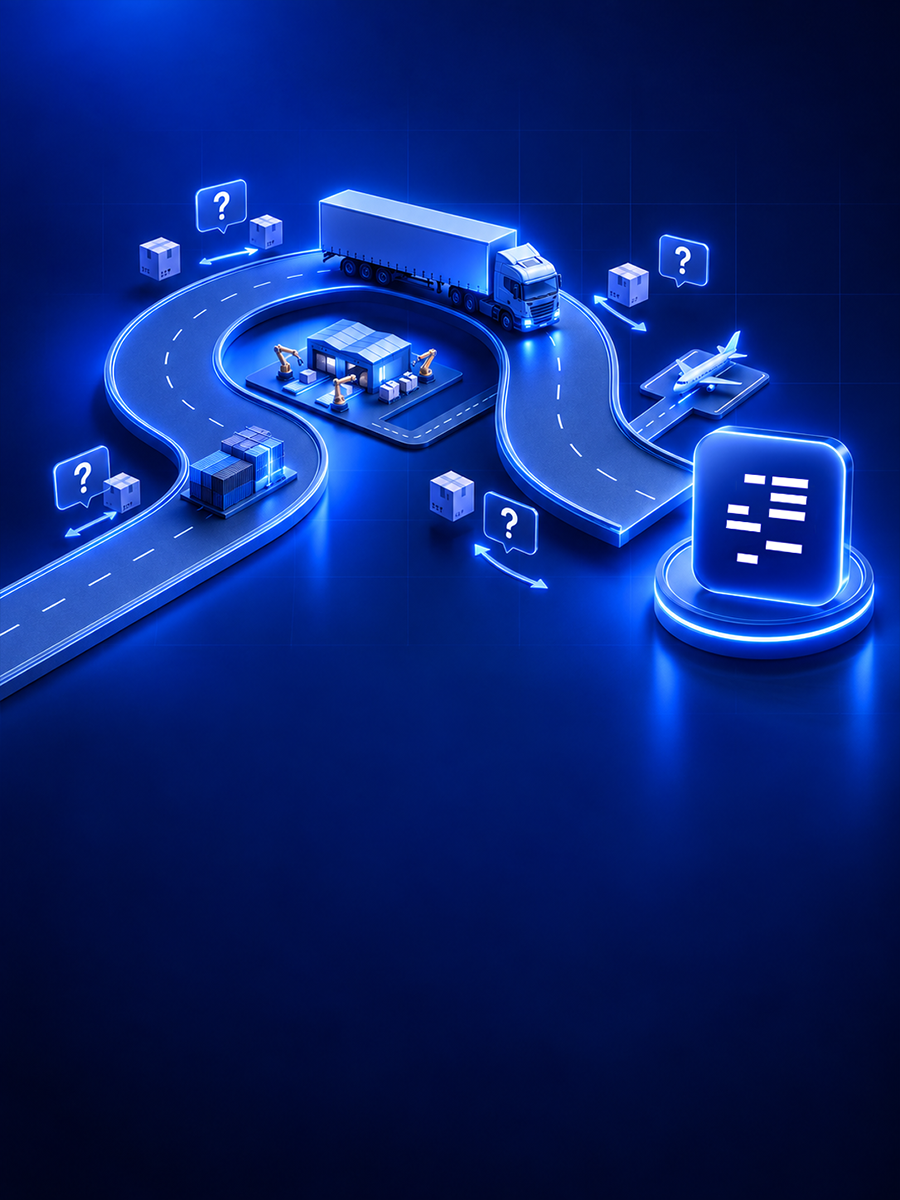
There comes a point in every supply chain transformation where the technology decisions stop behaving like technology decisions.
A CargoWise migration begins to surface questions about operating process, data ownership, and commercial governance. An integration programme forces a conversation about which systems should survive and which should converge. A data platform raises expectations about visibility and intelligence that the organisation has never had to deliver before. Cybersecurity moves from IT policy to board agenda. Automation reaches deeper into the workflow, and suddenly the business is making choices about standardisation, flexibility, and how much change the operation can absorb without losing its footing.
For freight forwarders and logistics operators, these are increasingly the decisions that determine how the business will perform over the next five to ten years.
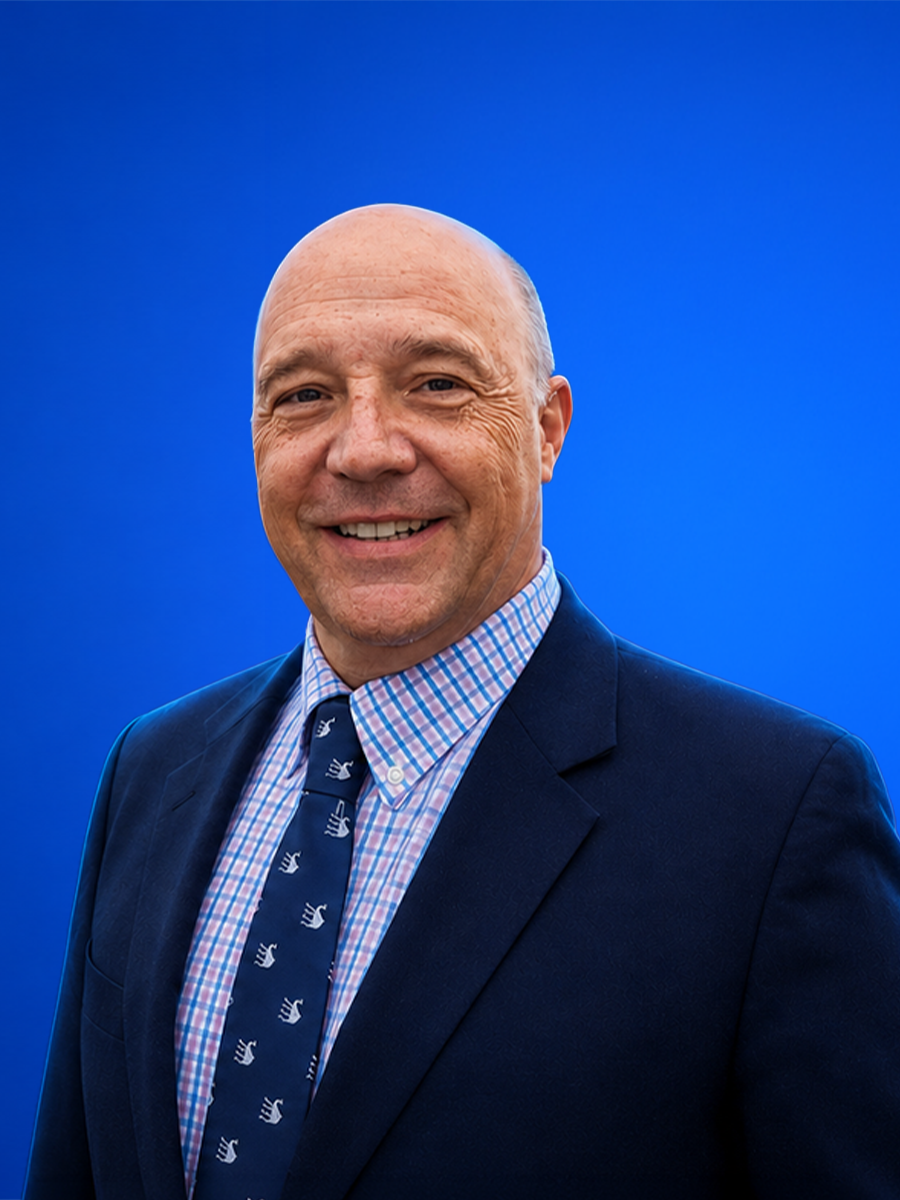
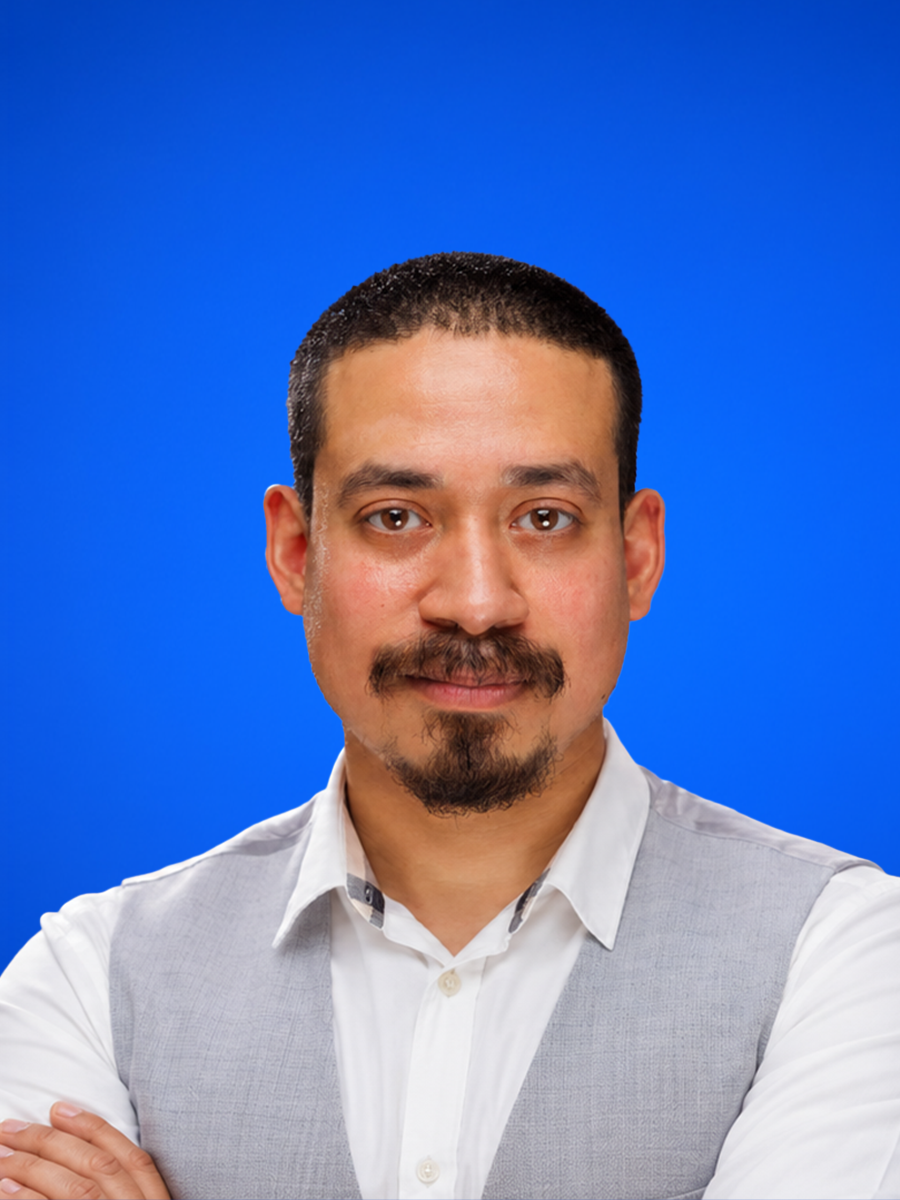
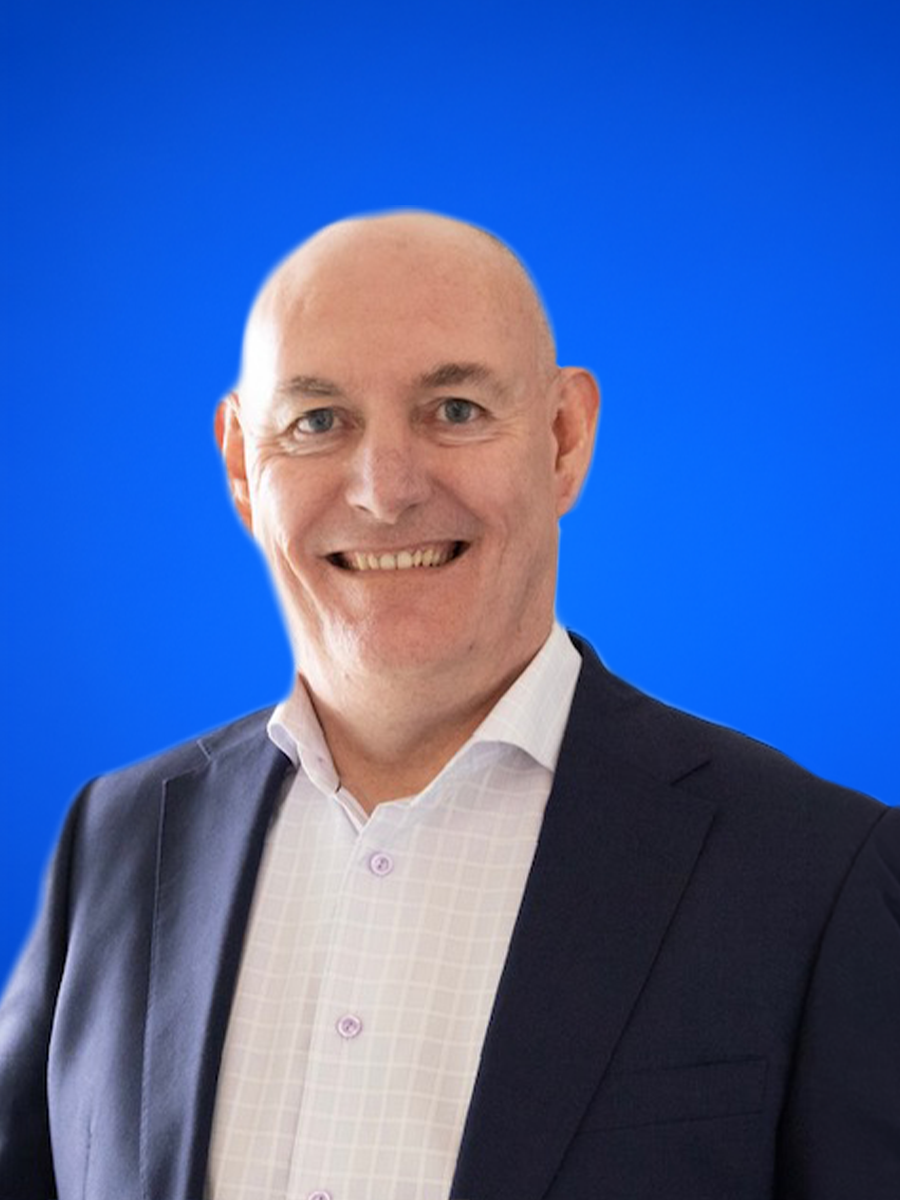
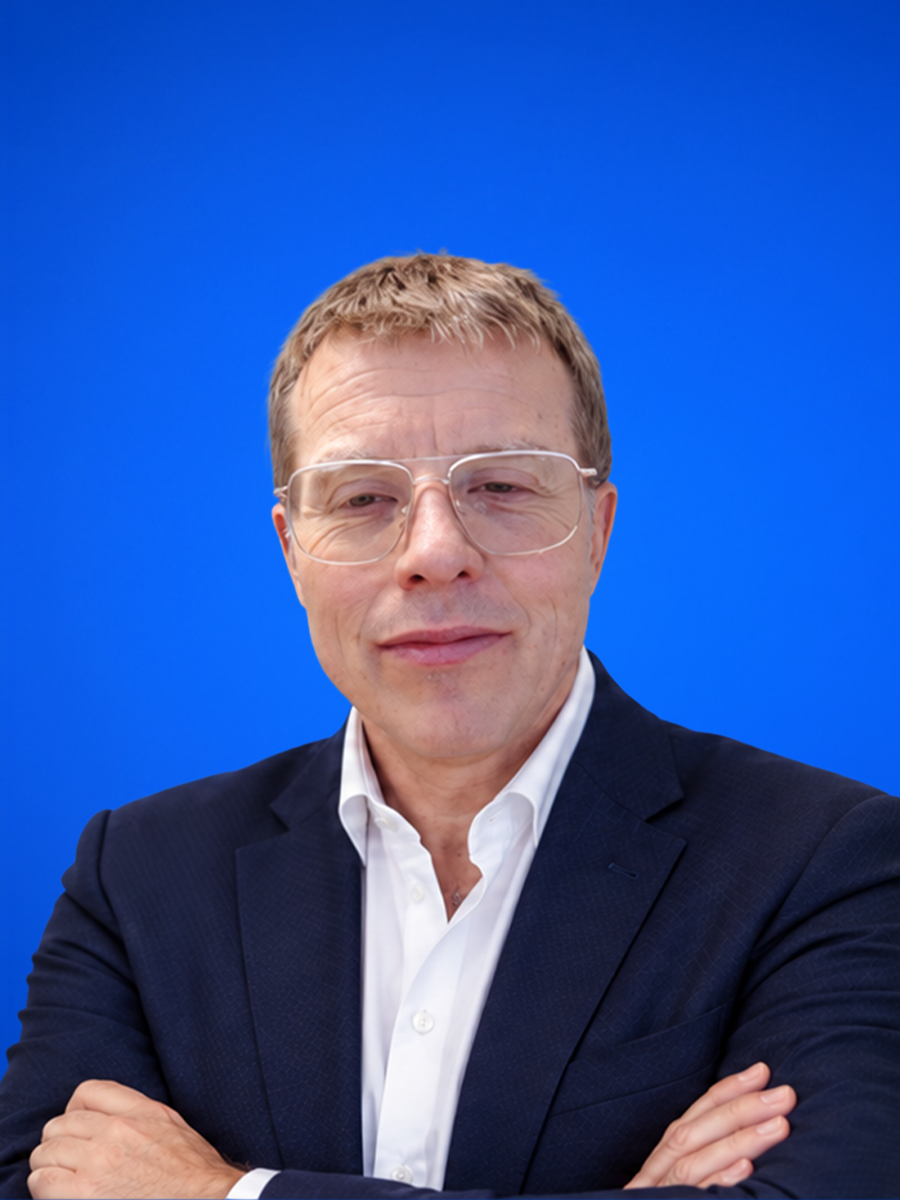
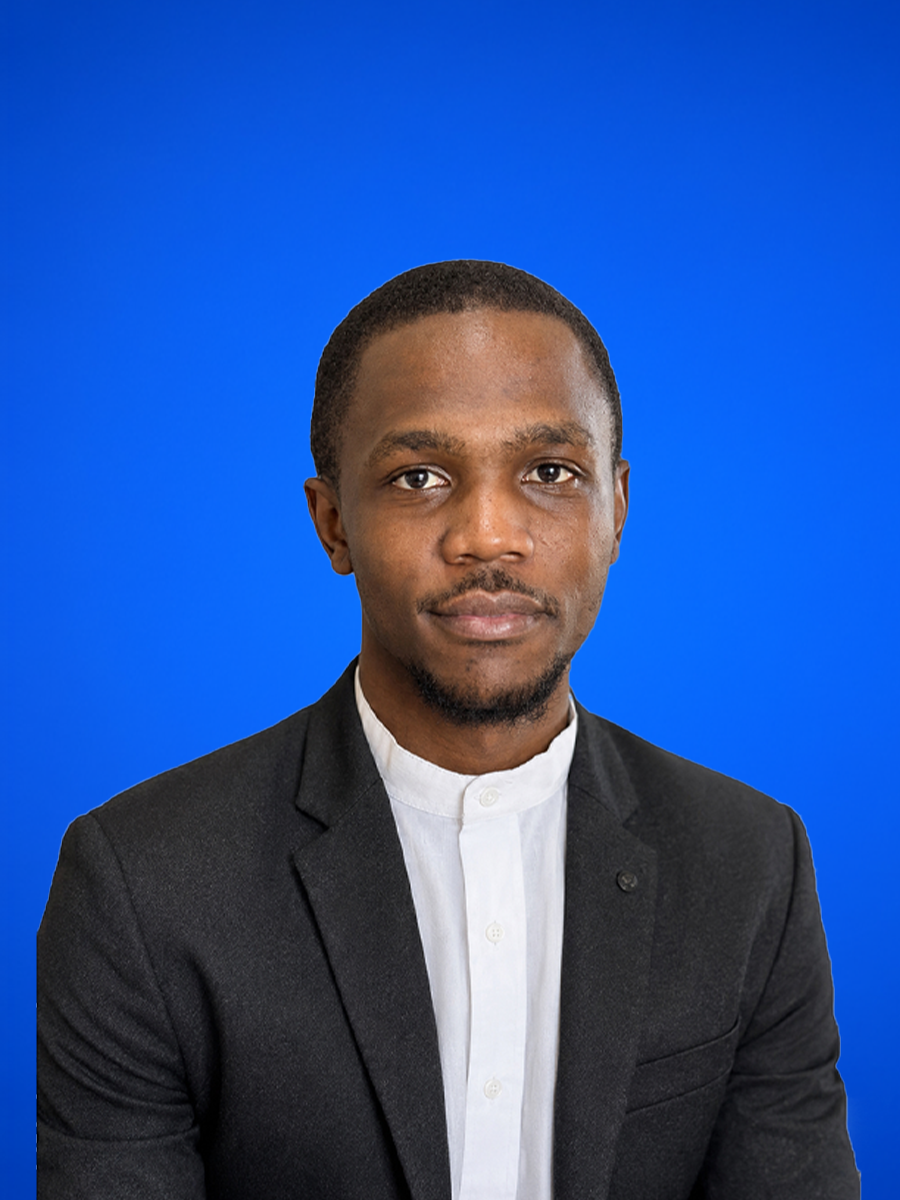
It is within this broader transformation context that Allister Lowe joins SFL Tech as Chief Information Officer, based in the United Kingdom.
Allister brings more than two decades of senior technology leadership across freight forwarding, warehousing, parcels, transport, and supply chain operations, with direct experience spanning CargoWise and ERP migration, enterprise data platforms, cybersecurity governance, warehouse management transformation, integrations, acquisitions, and global ICT strategy.
But the significance of that experience is not simply its breadth. Much of it has been accumulated from inside the operation — with responsibility not only for choosing and delivering technology, but for funding it, governing it and remaining accountable for what happened once the programme became part of the everyday business.
That perspective now becomes part of how SFL approaches supply chain transformation.
A Career Shaped From Inside the Operation
Allister's path into technology leadership did not begin with technology.
It began with people. Nearly fourteen years in financial services across sixteen countries, starting in customer service and moving through frontline operations, business analysis, and project delivery before ever holding a senior technology title. It was an apprenticeship in something that has defined his approach ever since: the discipline of understanding what technology means for the person depending on it, not just the person designing it.
When he moved into freight and logistics, that instinct entered an industry where the distance between a technology decision and its operational consequence can be remarkably short. Systems influence how freight moves, how warehouses operate, how customers connect, how quickly businesses invoice and how confidently teams can act on the information in front of them.
Allister built his career inside that reality.
As the scale of his responsibilities grew, the technology became more complex, but the questions remained fundamentally commercial and human. What does the business need to achieve? Where is complexity creating drag? Which investments genuinely improve the operation, and which add capability the organisation is not yet ready to use? How do you introduce meaningful change without losing sight of the customers, the processes, and the people sitting underneath it?
Over two decades, those questions have played out across progressively larger and more complex environments.
He has directed multi-country migrations from legacy ERP systems onto CargoWise, requiring not only platform change but the retirement of long-standing systems and the standardisation of processes across operating regions with very different cultures, regulations, and ways of working. He has led warehouse management transformations designed to create alignment across national operations. He has introduced cloud-based EDI platforms to improve customer integration and reduce onboarding complexity, implemented enterprise data environments, led cybersecurity and governance programmes across multiple regions, and managed substantial technology portfolios with responsibility for aligning investment to wider business strategy.
His responsibilities have also extended into acquisitions and business integration, where technology decisions become inseparable from wider questions about how the newly combined organisation should operate.
Transformation at that scale requires more than platform expertise. It requires judgement — the ability to see across the entire estate, understand what the business actually needs, and make decisions that hold up not just at go-live, but for years afterward.
Allister's career has consistently sat at that intersection. And the people who have worked alongside him describe someone whose leadership goes beyond technical capability: creative in his thinking, commercially aware and particularly effective at bringing people together around complex problems.
Outside technology, his interests include running, cars and Wing Chun — perhaps an unexpected counterpoint to a career spent simplifying complicated environment
The Edge This Creates for Our Clients
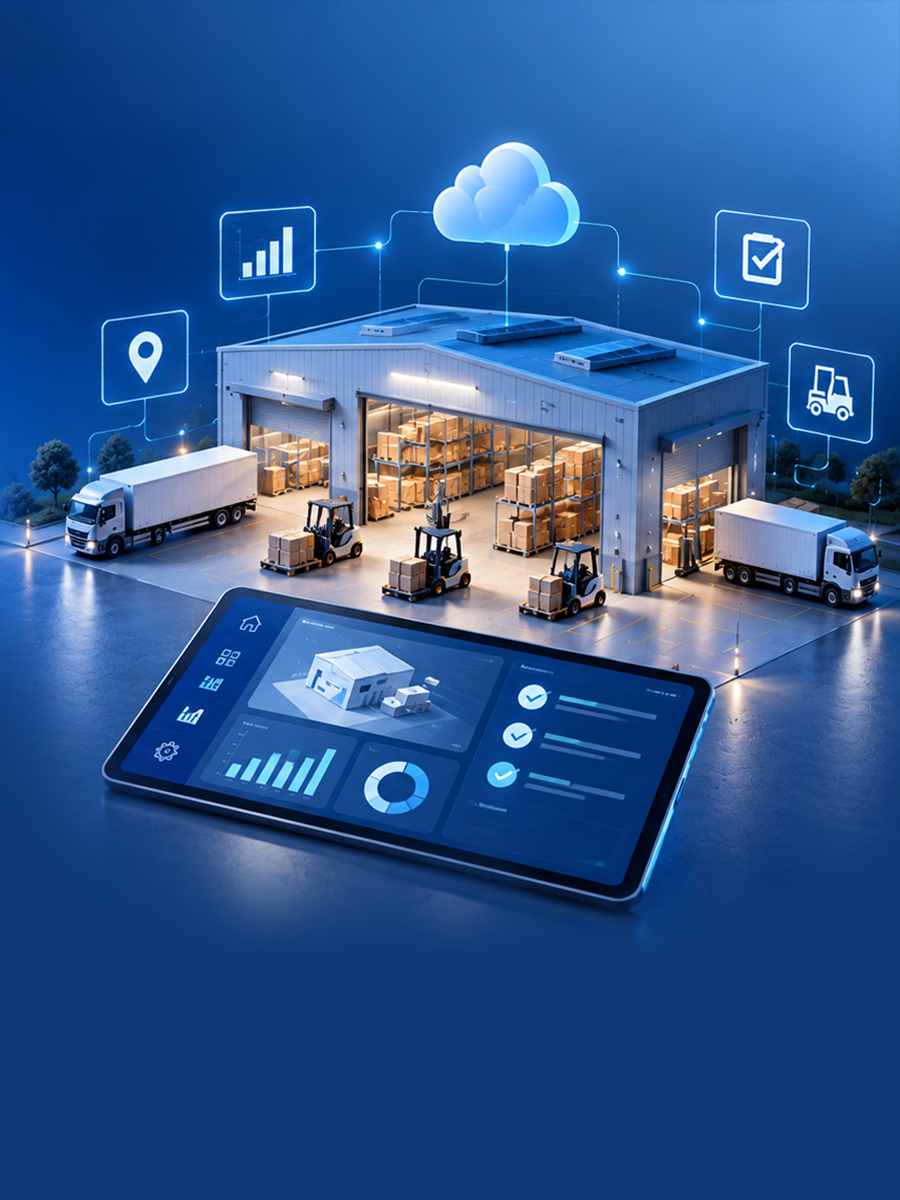
SFL's depth in CargoWise implementation, optimisation, integration, automation, data, and managed support has always been the foundation of what we deliver. Allister's appointment extends it — with the perspective of someone who has spent years making the decisions our clients are making now, and living with their consequences long after delivery.
The further a logistics business moves into transformation, the more these decisions interconnect. And the more they interconnect, the more valuable it becomes to work with a partner whose leadership understands what it means to govern them as a whole.
For clients, Allister's experience broadens what SFL can bring to the table in several specific ways.
- Technology strategy considered as a connected whole. Platform, integration, data, warehouse, infrastructure, security, and automation decisions examined in relation to one another rather than as independent workstreams.
- Transformation anchored to commercial and operating priorities. The conversation grounded not only in what the technology enables, but in what the business should prioritise, where complexity can be reduced, and where investment will deliver the greatest operational impact.
- Governance designed into the transformation from the outset. Architecture, data ownership, cybersecurity, business continuity, vendor management, and change management treated as integral to the programme rather than addressed when pressure appears.
- A perspective that extends well beyond go-live. Adoption, optimisation, platform evolution, new market entry, acquisition readiness, and the continuing decisions required to keep the technology estate aligned with the business as it grows.
Where SFL Tech Is Headed
Every senior appointment strengthens a part of the capability we are building around our clients. In Allister’s case, it is the combination of deep technology leadership and first-hand understanding of complex logistics operations.
As supply chain transformation becomes more interconnected, the strongest outcomes will come from organisations that can align technology, data, process and people without adding unnecessary complexity.
That is the direction SFL Tech continues to build towards. Allister brings greater depth to that ambition and to the transformation conversations we are having with our clients.
Welcome to the team, Allister.
.png)
.png)

.png)

.png)




.png)
.png)






.png)
.png)

.png)



.png)








.png)



.png)











.png)








.png)


.png)
.png)