

No shortcuts. No playbook. Two extraordinary careers shaped by the willingness to keep moving when the path was not yet visible.
Why We Wanted to Tell These Stories
The logistics and supply chain industry is asking a big question right now: where will the next generation of leaders come from?
Roles are transforming. The skills required to lead are expanding faster than most development programmes can keep pace with. And across every market, organisations are searching for people who combine operational instinct with digital fluency, commercial judgement with technological curiosity.
We wanted to speak with leaders who built that combination in themselves, not through a prescribed path, but through the kind of restless, self-directed growth that no career plan could have predicted. Two leaders stood out. Their industries are different. Their starting points could not be further apart. But the qualities that got them where they are tell the same story.
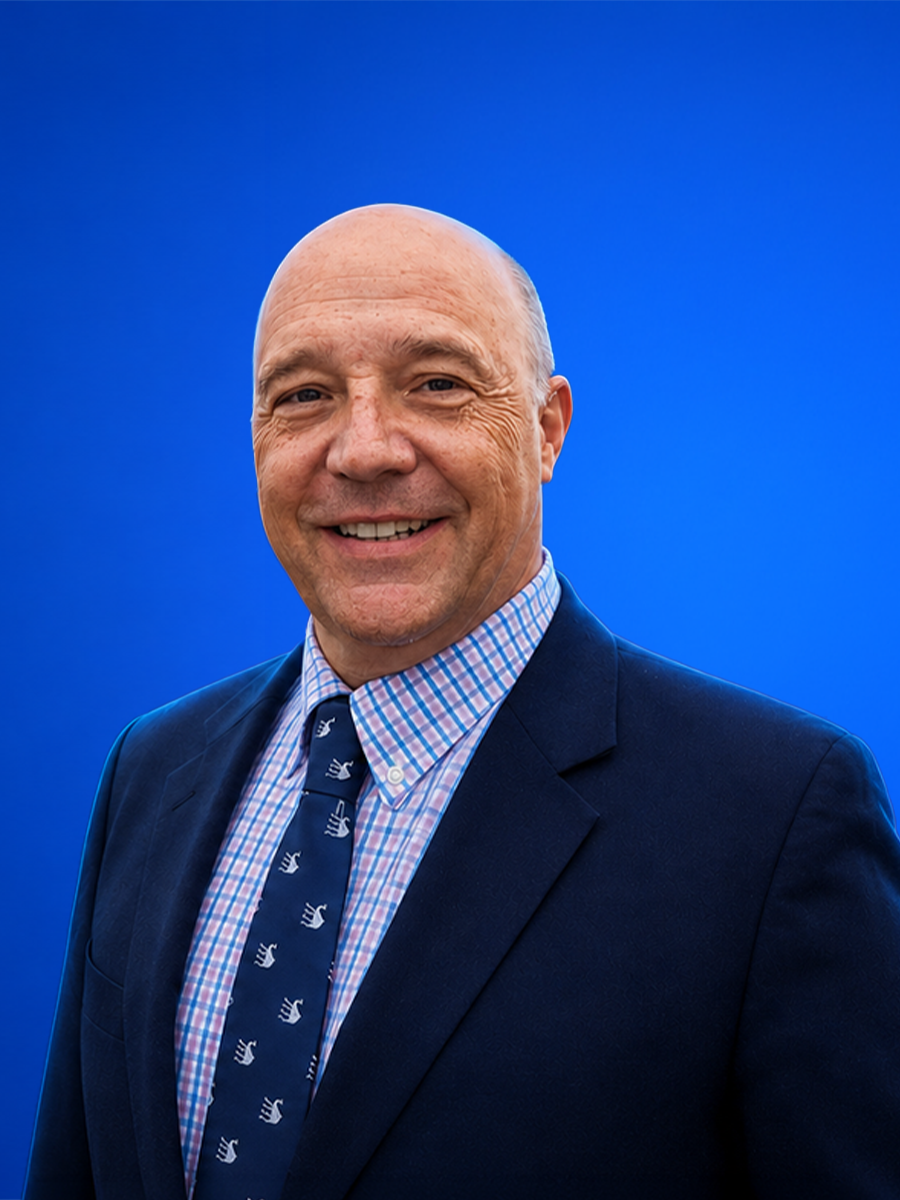
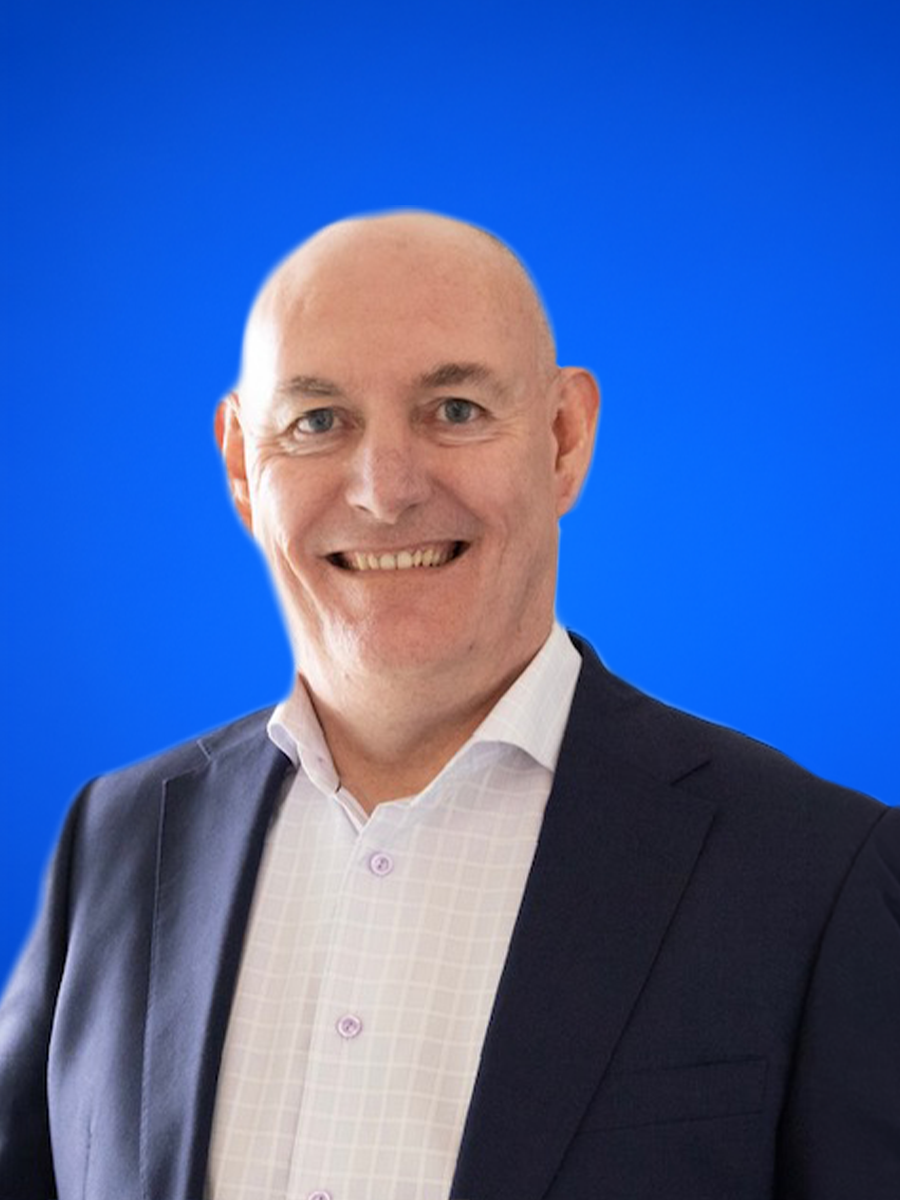
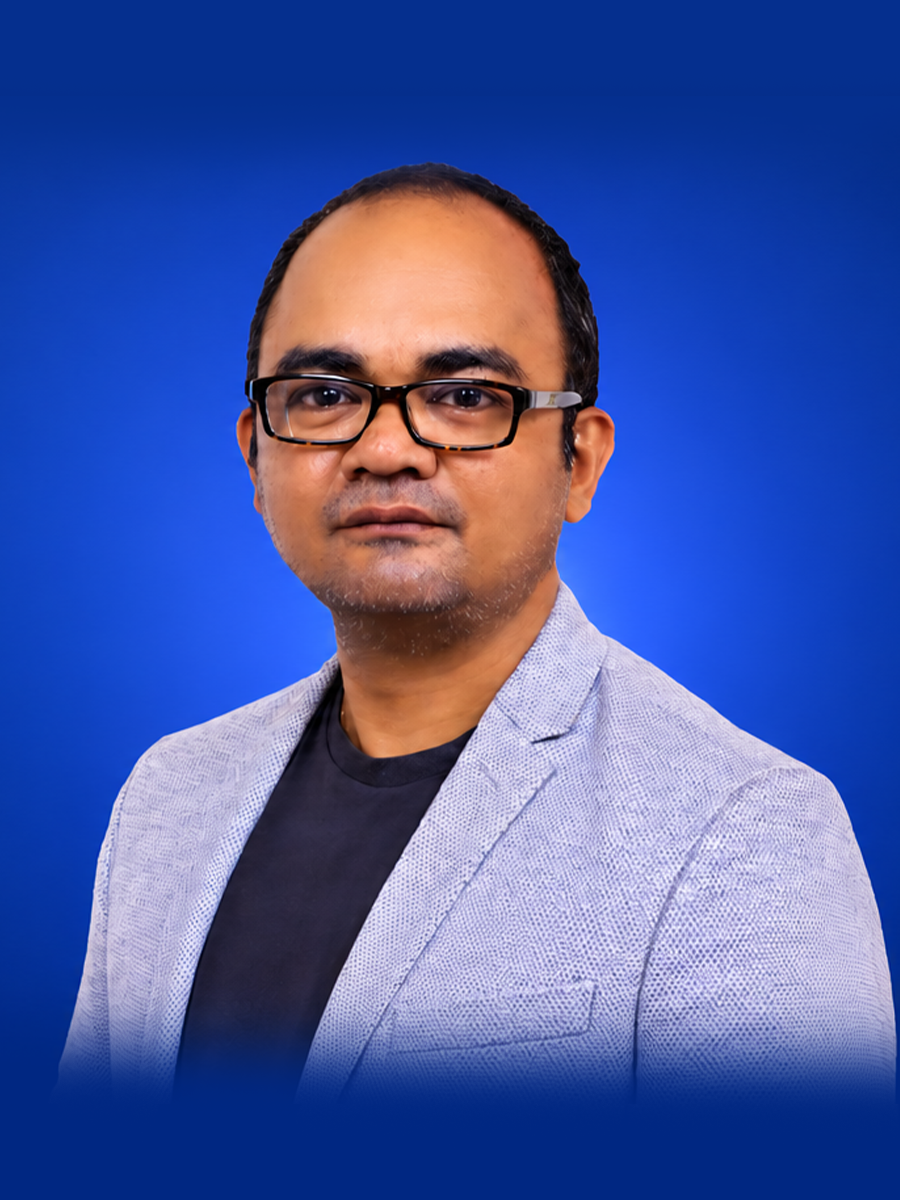
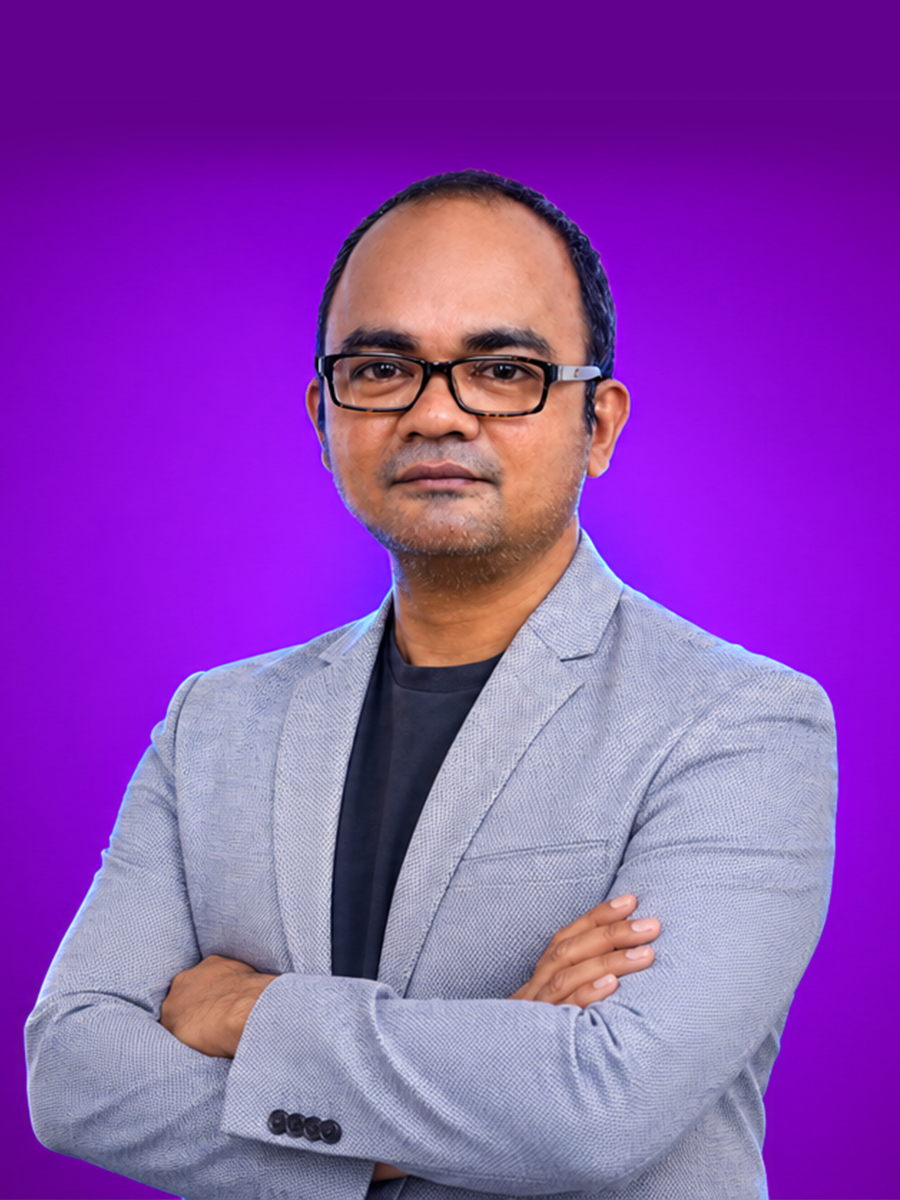
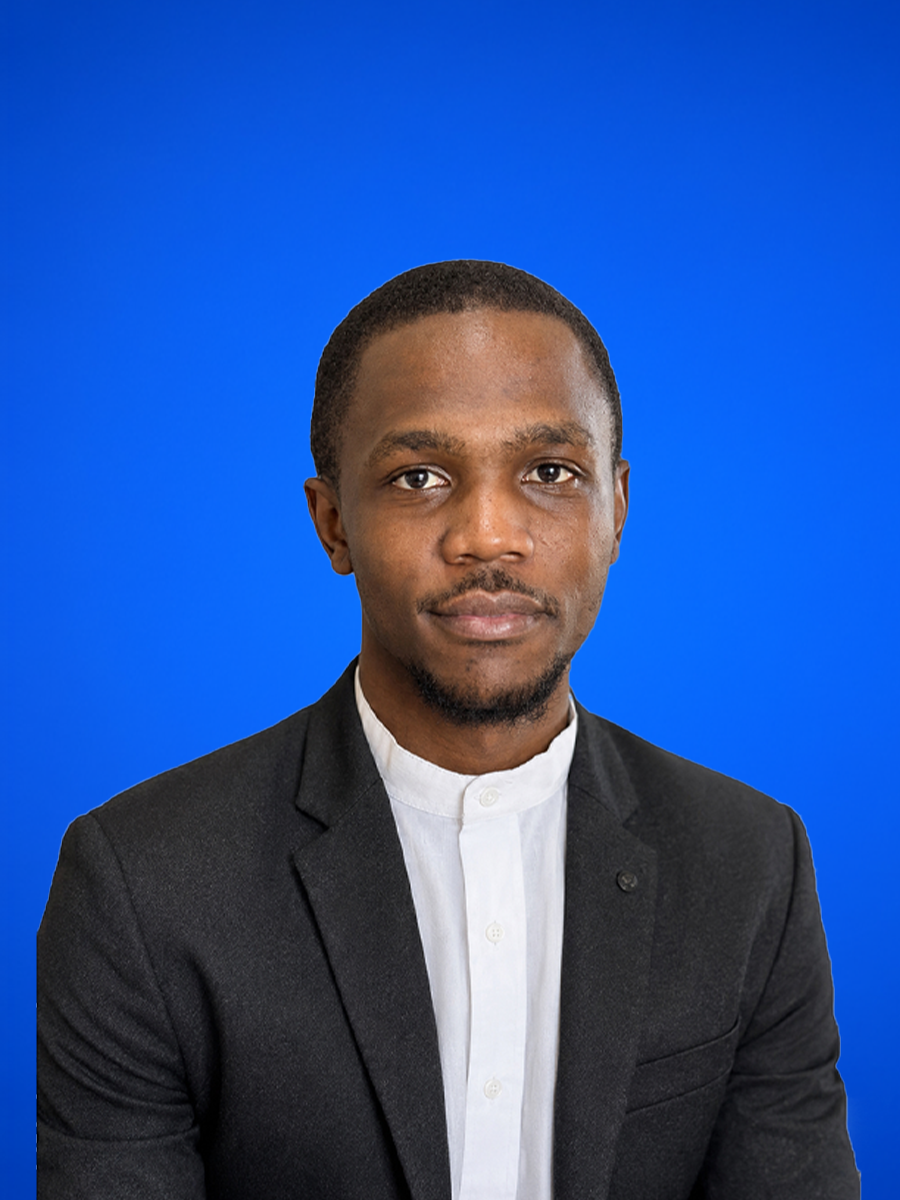
Rishan Barat · Business Leader, Microsoft Canada
From Phoenix, South Africa to Toronto, Canada.
Rishan Barat grew up in Phoenix, a township outside Durban. Not one of the country's more forgiving postcodes. He finished school in 2003 and walked into a world with no defined path, no connections, and no safety net.
What followed is a career built entirely on forward motion: selling shoes and CDs on the street, then an administration role at Sage in Johannesburg that became his first window into the technology world, then sales, then leadership. Hewlett Packard recruited him to head sales across South and East Africa. Oracle came next. In 2015, a VP invited him to fly to New York and present to the US sales team. He walked out with the role. In 2020, his family moved to Toronto, and Microsoft came calling.
We sat down with Rishan and asked him to share how he got here. In his own words.
When you finished school in 2003, did it ever cross your mind that you would be working for Microsoft one day?
"You know, this is an interesting one. I didn't think of anything. I just knew I needed to find a job, and that I had to make money. If you asked me about Microsoft one day, I would have probably had the confidence to say yes but wouldn't have had the path defined in any way."
From wanting to be a policeman at ten years old to Microsoft. How did that journey actually begin?
"It started with the side hustle. Selling shoes, toys, CDs when I finished school. Then my need to always ask questions. I was given an opportunity at Sage in Johannesburg, and that was my first real look inside a tech space. I went from an admin boy to a salesperson to a leadership position. Then it was my constant observation of how people work, the business processes, my need to know more. That's why Hewlett Packard approached me to head the sales team in South and East Africa. And then Oracle's rapid growth caught my attention. In 2015, I was eager to move to North America and met a VP that asked me to travel to New York City and present to the sales team. That's where I was awarded the role in the US."
"In 2020 my family and I decided to move to Toronto and had a few different opportunities to consider. But the role at Microsoft was a no-brainer for me. The culture, the values, the strategy and the vision were all aligned to who I am as a leader and where I am headed."
Did you have a mentor that guided you through your transition from school to a career-driven individual?
"Yes. I have had multiple mentors. But I achieved this more through asking questions of everyone that I knew who did something I had an interest in. That is the reason I run a leadership podcast today. I am always curious about others and I continue to learn, ask questions, and receive an element of mentorship that way."
What activities or skills growing up equipped you to become the business leader you are today?
"As a former U-15 soccer coach, I know the importance of focusing on goals, executing plans to attain them, and benchmarking your progress. I have structured and delivered internal training guides on how to best perform territory management that are being used across several countries and different business units. A significant entry on my personal bucket list."
What career mistake has taught you the greatest lesson?
"Too many mistakes. The biggest one is shifting from a fixed mindset to a growth mindset."
What publications do you regularly read?
"Harvard Business Review, Deloitte Executive Insights, and Impact Theory on YouTube."
What advice would you give someone who wants to explore a career in technology?
"Work hard. Be curious. Believe in yourself."
What are your thoughts on STEM and robotics learning for the younger generation?
"Our world is a technology-dependent world, and with continuous evolution, STEM is a vital focus of our growth and learning journey. Kids between the ages of five and eight spend almost three hours each day with screen-based technology. Turning those screen time hours into STEM activities can prepare the next generation to think outside the box, solve real-life problems, and relieve anxiety and stress when they are faced with difficulties. The next step is to get those gifted kids from Africa and other developing countries who are not exposed to STEM and robotics. Now that will be a game changer for the future. The gifts of the youth are not being unleashed due to lack of resources and exposure."
What makes Rishan's story remarkable is not where he ended up. It is the engine that got him there. No single mentor mapped the route. No institution opened the doors. He opened them by being the person in every room who watched how things worked, asked why they worked that way, and learned to do the job before anyone offered it to him.
That quality, the instinct to learn before being taught, is exactly what the technology industry needs more of. And it does not require a degree to develop. It requires the kind of restlessness that refuses to let comfort become a ceiling.
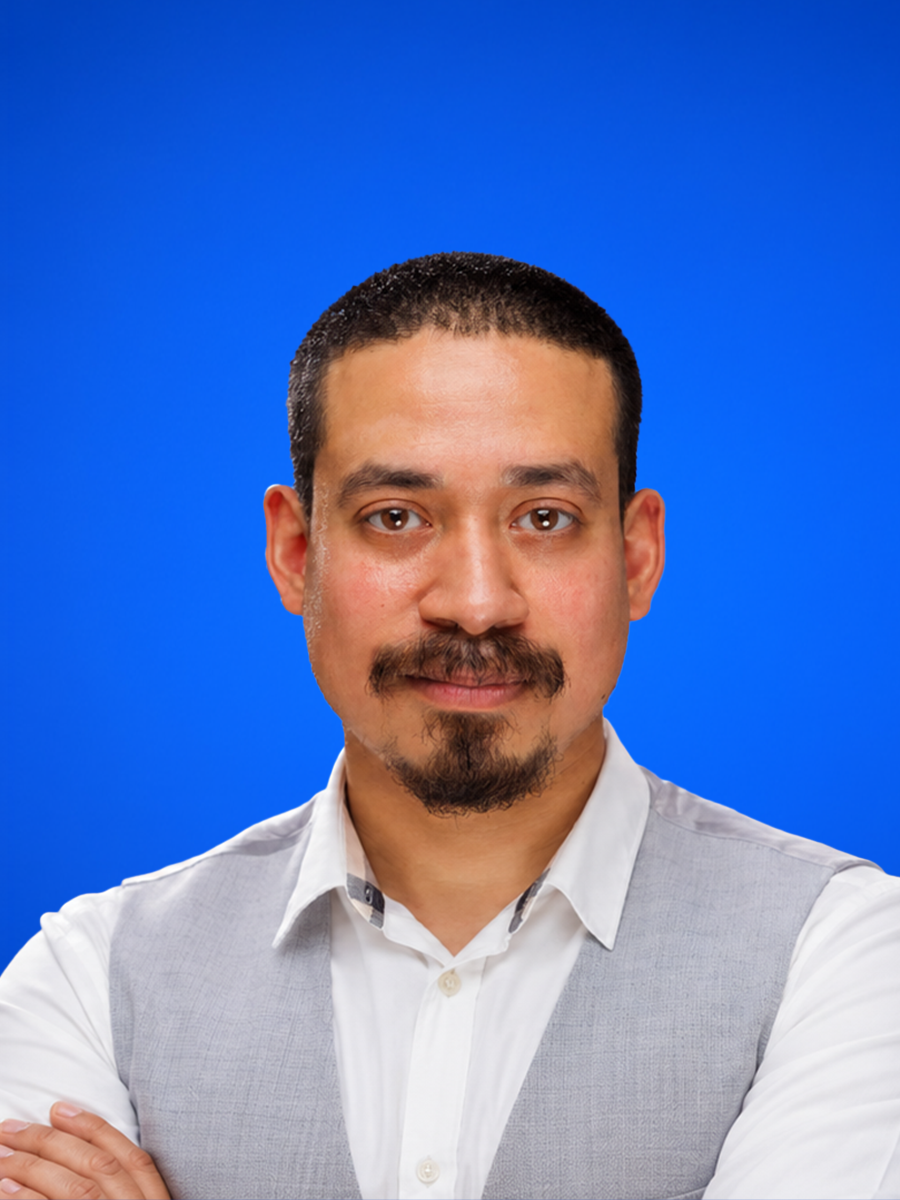
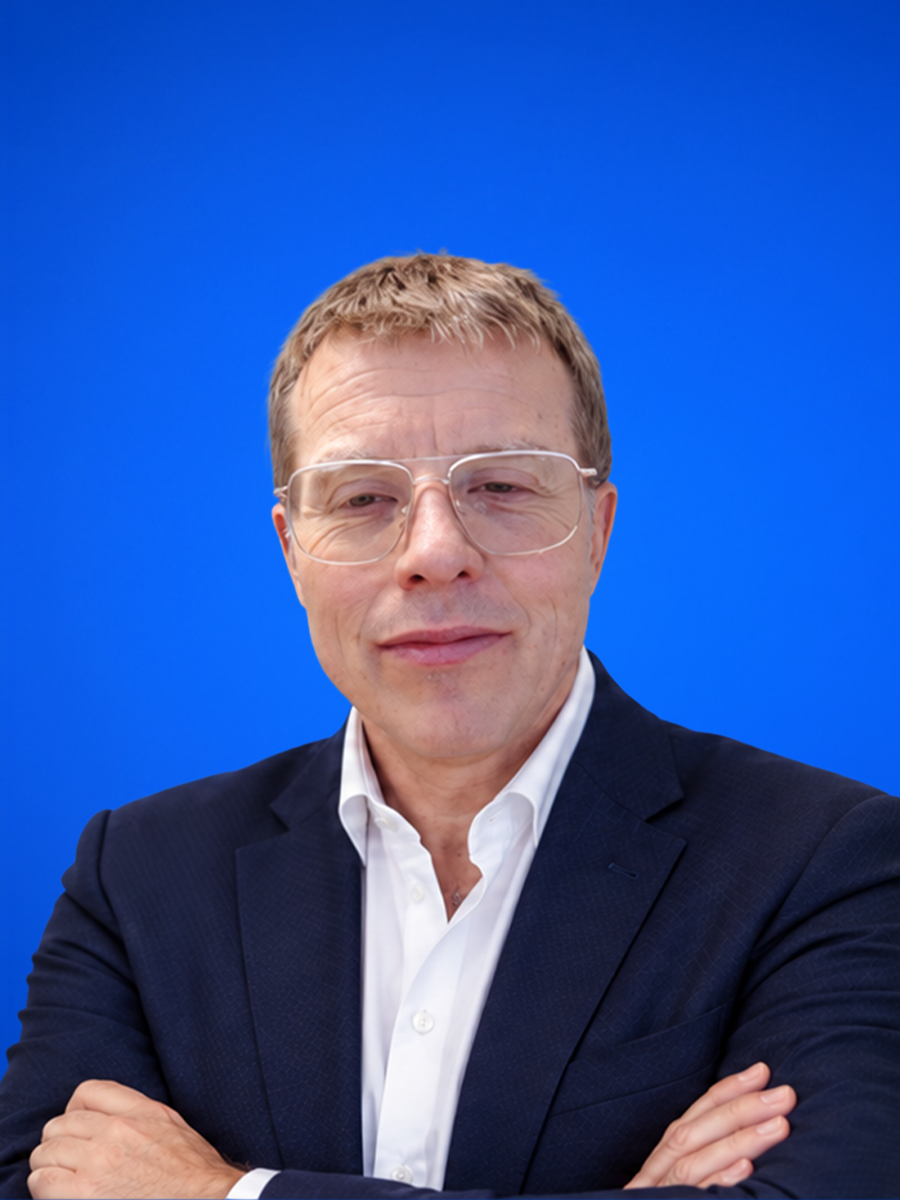
Richard White · Founder and CEO, WiseTech Global
Former musician. Refrigeration engineer. Guitar repairman for AC/DC. Built a logistics technology company now worth billions.
There is no career guidance pamphlet that maps the journey from repairing guitars for Australian rock bands to founding one of the most consequential logistics technology companies in the world. Richard White's story is proof that vision and execution outweigh pedigree every single time.
Before WiseTech Global, White was a musician, a refrigeration engineer, and a computer wholesaler. He repaired guitars for top Australian bands like AC/DC and The Angels. He had no formal technology background, no venture capital connections, and no blueprint for what he was about to build.
What he had was the ability to see how logistics processes could work differently, and the relentlessness to build the technology that would make it happen.
WiseTech Global, the company behind CargoWise, now powers logistics operations across more than 170 countries. The platform handles the most complex freight forwarding, customs, warehousing, and supply chain workflows in the industry. White himself holds a net worth exceeding $5 billion.
But the scale of the outcome is not the lesson. The lesson is that the logistics technology industry was not built exclusively by computer scientists or MBA graduates. It was built by people who understood real-world problems deeply enough to imagine better solutions, and who were stubborn enough to build them when nobody was asking them to.
White has spoken publicly about expanding the technology talent pipeline, including advocating for bringing more women into the sector and investing in workforce development at scale. His conviction is clear: the industry grows by widening who it welcomes, not by narrowing the criteria for entry.
For anyone reading this who assumes the technology sector is reserved for people with technical degrees, Richard White's journey from a workshop bench to the helm of a global software company is the most compelling counterargument in logistics.
What These Stories Tell Us
The supply chain and logistics industry is searching for its next generation of leaders at a time when the definition of leadership is changing. The roles are more technical. The decisions are more complex. The pace is faster.
But the qualities that built these two careers have not changed. Curiosity that will not switch off. The willingness to learn the job before it is offered. The courage to move when the path is not visible. The understanding that a fixed mindset is the most expensive limitation a professional can carry.
The next generation of logistics leaders will not all come from traditional routes. Some will come from townships and side hustles. Some will come from workshops and trades. Some will come from industries that seem to have nothing to do with supply chain.
What they will share is the same quality that Rishan Barat and Richard White share: the refusal to let where they started define where they end up.
The logistics industry needs that quality now more than it ever has. And the organisations that recognise it, recruit for it, and develop it will be the ones that build the strongest teams for what comes next.
.png)
.png)

.png)

.png)




.png)
.png)






.png)

.png)

.png)



.png)









.png)




.png)









.png)







.png)



.png)
.png)