How SFL gave a mature CargoWise operation a consolidated view of its system, identified where performance could improve, and turned nine years of usage into a practical optimisation roadmap.
After nine years on CargoWise, the client was not looking for help learning the system. It already had an established IT team, experienced superusers and approximately 100,000 jobs moving through the platform every year.
What management needed was visibility.
Over almost a decade, the CargoWise environment had evolved with the business. Processes had changed, configurations had been adjusted, automation had been introduced in some areas, and teams had developed their own ways of working around the system.
Individually, those decisions made sense. Collectively, they had become difficult to assess.
Management wanted to understand how effectively CargoWise was being used across the business, where capability was being underused, and which changes would deliver the greatest operational value.
SFL was brought in to provide that view.
The Client
The client is a 47-year-old international logistics company headquartered in the United States, with a strong presence across the Americas and Asia.
Technology has long been central to its operating model. As an early CargoWise adopter, the company had already built nine years of internal platform experience by the time SFL was engaged.
This was therefore a mature CargoWise environment supporting a high-volume operation—not an implementation struggling to get established.
The Challenge: Seeing the Whole Environment, Not Just the Individual Parts
The client’s internal teams understood their respective areas well. What management lacked was a consolidated view across the operation.
With approximately 100,000 jobs processed each year, even small inefficiencies in configuration, workflow or data management could compound across a significant transaction volume. But identifying those opportunities was difficult when Finance, Operations, Administration and Sales were being viewed separately.
The business also wanted an external benchmark. Its IT team knew how CargoWise worked within the company, but management wanted to understand how that setup compared with stronger usage of the platform elsewhere and where functionality already available in CargoWise could be delivering more.
The objective was therefore clear: establish the current state, identify the gaps, understand their root causes and give the business a practical path to improvement.
The SFL Audit: Building One View Across the Business
SFL began with the people closest to the environment.
Consultants worked with stakeholders across IT, Operations and Finance to understand how CargoWise was being used, where teams were experiencing friction and which processes required closer examination.
The review then moved into the system itself.
A productivity assessment tested whether existing automation was performing as intended and where processes were still dependent on manual execution. SFL’s Software Quality Assurance approach was then used to examine the adequacy of controls surrounding key business processes.
The scope extended across more than 20 functional areas covering Administration, Sales, Operations and Finance.
The diagnostic included security rights and access, master data, eDocs, dashboards, EDI and eAdaptor; Sales, Rates and Tariffs, operational processes and automation, PO Management and Customs visibility; and Finance areas including Job Management, Receivables, Payables, Cash Book, Job Costing, General Ledger, Charge Codes, Exchange Rates and Reporting.
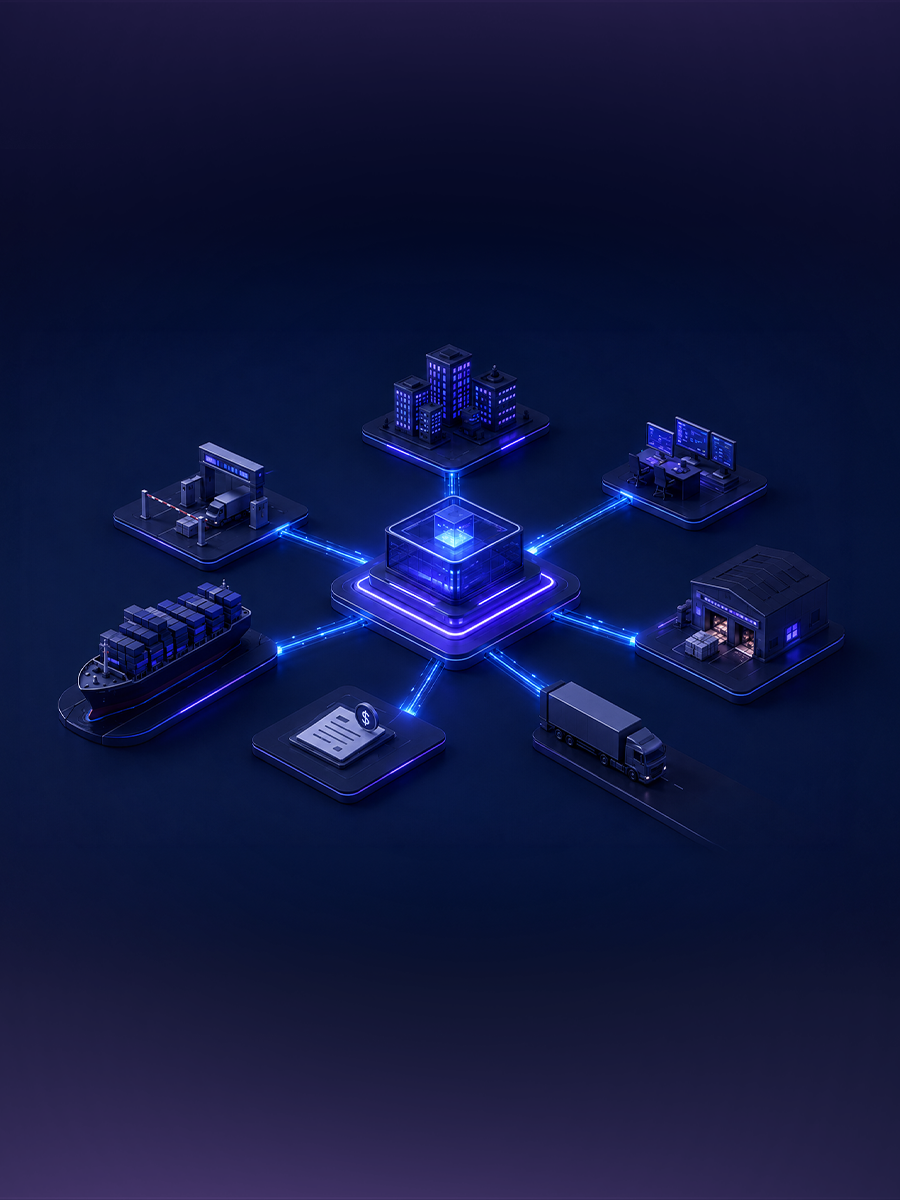
This gave SFL a view of how the different parts of the environment were interacting rather than simply assessing each module in isolation.
Finding the Root Cause Behind Each Gap
The audit did not stop at identifying where something could be improved.
Each finding was analysed and classified against four root-cause categories:
- System control deficiencies — where stronger controls or governance were required.
- Configuration errors — where the system setup was limiting the intended process.
- Manual operations — where activity remained dependent on users despite opportunities for a more structured system process.
- Master data — where the quality or structure of underlying data was affecting performance elsewhere.
Findings across Finance, Security and Operations were also assigned Low, Medium or High risk ratings, helping management distinguish between areas requiring greater attention and lower-priority optimisation opportunities. This rating structure and root-cause classification were part of the original SFL audit methodology used for the engagement.
The result was more useful than a list of system observations. Management could see what was happening, why it was happening and which areas deserved attention first.
Turning the Audit Into an Actionable Roadmap
The final report was designed to be used, not filed away.
SFL provided recommendations across the modules and processes reviewed, together with guidance on how each improvement could be approached. Where the client already had the internal capability, its IT team could take the recommendation forward directly. Where deeper specialist support was required, that need was clearly identified.
Several recommendations addressed how the wider business was using CargoWise.
SFL identified opportunities to reduce unnecessary reliance on external systems by making greater use of controls already available within the platform, including approval matrices. The audit also highlighted process and configuration realignment opportunities and provided a framework for introducing department- and employee-level KPIs to give management greater visibility into throughput and productivity.
The result was a roadmap that connected system findings with operational decisions.
The Results: 24 Weeks of Capacity Freed Up Each Year
The audit gave management the consolidated view it had been missing—but it also translated that visibility into measurable value.
The improvements identified through the GAP Analysis freed up the equivalent of 24 working weeks per year.
For an operation processing approximately 100,000 jobs annually, that matters. A small inefficiency repeated across thousands of files becomes a significant capacity drain. Equally, removing unnecessary work from a high-volume process can create a meaningful productivity gain without adding more people or more systems.
The engagement delivered four clear outcomes:
- 24 weeks of working capacity freed annually
The audit identified enough avoidable effort across the environment to return substantial capacity to the business.
- 20+ functional areas assessed
Administration, Sales, Operations and Finance were reviewed together, giving management a broader view of how the CargoWise environment was performing.
- Root causes identified and prioritised
Findings were separated into system control, configuration, manual process and master-data issues rather than treated as disconnected technical observations.
- A practical optimisation roadmap
Management received clear recommendations showing what could be improved, why it mattered and how the internal IT team could begin addressing it.
The audit also gave the business a stronger framework for future optimisation: greater use of CargoWise controls, reduced dependence on external systems, better use of automation and clearer KPI visibility across teams and licences. (SFL Tech)
For a mature CargoWise user, that was the real result. The client did not need another implementation. It needed a clearer view of where an established environment could work harder.
What Could Your Existing CargoWise Environment Be Doing Better?
Long-running CargoWise environments evolve. Configuration changes, teams adopt different practices, manual work builds up around the system and functionality introduced over time may never be fully absorbed into the operation.
SFL Tech’s CargoWise System and Process Audits bring those areas into one view across Operations, Finance, data, rates, reporting, automation, governance and user adoption.
The objective is straightforward: establish the current state, identify the root cause behind performance gaps, and give management a practical roadmap for what to optimise next.
If your CargoWise environment has been running for years but you no longer have a clear view of where the next productivity gain sits, talk to SFL Tech about a System Audit and GAP Analysis.





.png)

.png)
.png)