

Brazil is moving more of its customs environment into structured, digital processes that depend on accurate information being available earlier in the shipment lifecycle. The phased transition from the traditional Declaração de Importação (DI) to DUIMP is progressing through Portal Único, while CCT Importação is expanding electronic cargo reporting across transport modes. For freight forwarders and customs brokers, Customs is becoming increasingly connected to the operational data created before a declaration is prepared.
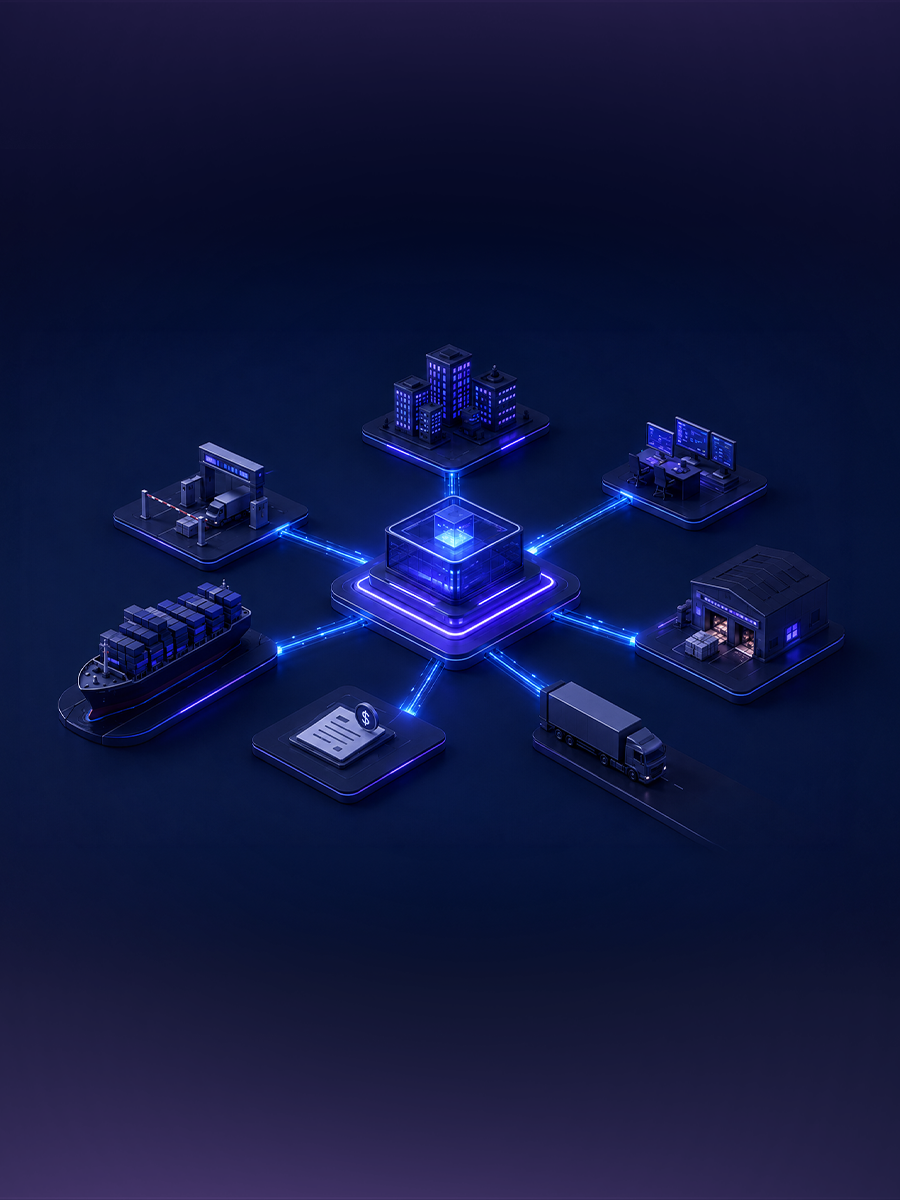
CargoWise is well positioned for that shift because Brazilian customs functionality sits inside the same platform that manages the wider logistics operation. Shipment data, customs processing, government messaging and workflow can remain connected rather than requiring Customs to rebuild information in a separate environment.
WiseTech's depth in Brazil also has strong local foundations. In 2017, it acquired Bysoft, then Brazil's largest provider of automated customs solutions to the logistics industry, bringing established Brazilian customs, government compliance and freight-forwarding expertise into the wider CargoWise ecosystem.
The result today is a CargoWise Customs environment designed specifically around Brazilian declaration and compliance requirements.
What CargoWise BR Customs Actually Covers
CargoWise supports several core Brazilian customs processes directly within the platform:
- DUE export declarations: NFe XML information can be integrated into the Declaração Única de Exportação to populate declaration-item data, reducing repeated entry during export processing.
- Direct Brazilian Customs Authority connectivity: DUE declarations can be composed through the Brazilian Customs Authority API, with status notifications returned into CargoWise so teams can monitor declaration progress from the same environment.
- Brazilian import declarations and licences: CargoWise supports the creation of Import Declarations and Import Licences based on Brazil's NCM tariff requirements, bringing tariff-driven import activity into the customs workflow.
- CCT air-cargo reporting: CargoWise supports Brazilian CCT requirements and has continued updating the product as Receita Federal's reporting rules have evolved. Recent changes expanded the CCT Shipment Report to capture additional fields including Special Handling Code, Special Service Request and Other Service Information.
The value sits in how these functions connect with the wider CargoWise environment.
A customs entry can draw on information already available in the shipment rather than beginning as a separate data exercise. Parties, shipment references, commercial information and other operational data can support downstream customs activity, while declarations and government responses remain connected to the underlying job.
For customs teams processing significant volumes, that continuity reduces repeated capture and gives specialists a stronger starting point for declaration preparation and exception management.
Why This Matters More in Brazil Now
Brazil's import model is in active transition.
Receita Federal is progressively withdrawing the legacy DI process as additional import operations move onto DUIMP under the Novo Processo de Importação. The transition is being phased according to operation type, with the official DI shutdown schedule updated again on 14 September 2026. Once an operation becomes mandatory under DUIMP, importers can no longer continue registering it through the old DI process.
CCT Importação is expanding at the same time. Regular road cargo and voyage-manifest functionality is already available in production, and Receita Federal's current timetable points to road imports moving exclusively through CCT Importação and DUIMP from 1 December 2026. Operators have been specifically advised to adapt their processes and systems ahead of that change.
For CargoWise users, the practical issue is therefore larger than adapting a filing screen.
The information Customs needs has to be available at the right point in the shipment. NCM and product data need to be reliable. Cargo-reporting workflows need to trigger correctly. Government responses and exceptions need to reach the people responsible for acting on them.
When those processes are managed within the wider CargoWise environment, regulatory change can be absorbed into the operation more cleanly than when Customs sits behind a series of separate systems and manual handovers.
The Opportunity Sits Beyond the Declaration
The greatest productivity opportunity in Customs often appears before the declaration itself.
If a customs team continually corrects commodity information, the underlying issue may sit in master data. If CCT reporting depends on someone manually checking whether all shipment information has arrived, the opportunity may be in workflow. If information already exists in Forwarding but has to be entered again in Customs, the problem sits in the design of the process rather than the speed of the declarant.
CargoWise provides the platform to address those dependencies because forwarding, customs, workflow and the associated operational data can remain connected.
That creates a different model for Customs. Experienced specialists spend less time reconstructing information the organisation already holds and more time on classification judgement, regulatory interpretation, exceptions and the transactions where their expertise genuinely creates value.
This becomes increasingly important as Brazilian Customs asks for more structured information earlier in the trade process.
Where SFL Tech Adds Value
For a business already using CargoWise in Brazil, the first question should not be whether Brazilian Customs functionality exists inside the platform. It does.
The more useful question is how much of that capability is actually working through the operation.
SFL Tech looks at the Brazilian customs process end to end: where the data originates, how it reaches Customs, what remains manual, how CCT and declaration workflows have been configured, whether master data is supporting the level of accuracy required, and how regulatory changes are being incorporated into the existing CargoWise environment.
That can involve customs configuration, workflow optimisation, master-data review, integrations, exception handling, SOPs and role-based training. The objective is to strengthen the process surrounding the declaration so that Customs is working from better information and relying on fewer manual interventions.
This cross-functional view is particularly important in Brazil because a customs problem often begins somewhere else in the operation. A declaration error can originate in master data. A late CCT submission can trace back to a forwarding workflow. A government message may be received correctly but still require a better exception process before Operations can act on it.
Solving the Customs issue therefore requires understanding the processes feeding it.
A Stronger Customs Model for Brazil
CargoWise has built meaningful Brazilian customs capability into its global platform, supported by local expertise and direct connections to the country's regulatory environment. DUE processing, NCM-based import functionality, CCT reporting and government messaging can sit alongside the forwarding and operational information already moving through the business.
That capability becomes more valuable as Brazil advances the DUIMP transition and expands CCT Importação.
For forwarders and customs brokers, the opportunity is to build a customs operation where accurate information reaches the compliance process earlier, regulatory changes can be absorbed without continually adding manual work, and specialist teams spend more of their time on the decisions that genuinely require customs expertise.
CargoWise provides the Brazilian customs capability. The advantage comes from how well that capability is built into the operation around it.





.png)


.png)
.png)