
SFL rebuilt the data flow between CargoWise, five key partners and French customs—automating 2,500 EDI exchanges every month and removing years of duplicate entry from the operation.
CargoWise had been at the centre of the client’s operation for 11 years. Freight was moving. The system was established. But two important data flows around it were still dependent on people.
The first sat inside the consolidation network. Five key partners needed to exchange shipment information with the client, yet data arriving through the CargoWise E2E connection was not flowing correctly from the consolidation record into the underlying shipments. Operations compensated by entering the information again.
The second emerged as the business expanded into France. French customs and port messaging had to pass through SOGET AP+, leaving teams working between CargoWise and a separate local environment to complete time-sensitive filings.
Both processes worked because people kept them working.
At the volume this business was handling, that workaround had become expensive: approximately 2,500 EDI exchanges every month and more than 400 hours of manual data-entry effort tied up in moving information between systems that should have been exchanging it themselves.
SFL’s task was to remove the breaks in the data flow.
The Client
The client is a Netherlands-headquartered European freight forwarder and consolidator with a history of approximately 50 years, 300 employees and eight business units.
Its services span sea and air freight, road and rail transport, warehousing, customs and brokerage. By the time SFL became involved, CargoWise had already been embedded in the operation for more than a decade.
That maturity matters. This was not a business trying to implement its first integrated operating platform. It was an established CargoWise user whose business and partner network had evolved around integration gaps that had gradually become part of normal operations.
The Problem: CargoWise Was Working. The Connections Around It Were Not.
For a consolidator, the relationship between a consol and its underlying shipments is fundamental.
Multiple customers can have cargo moving inside the same consolidation, but each shipment still needs its own accurate information and visibility. The client’s E2E connection should have allowed that information to move electronically between connected CargoWise environments.
It was not doing so correctly.
Data reached the consolidation level but was not transferring as required into the shipment records. The operational answer had become duplicate entry: receive the information electronically, then recreate the information manually where the system flow had stopped.
Across five key partner connections, that created additional manpower requirements, increased the opportunity for entry errors and slowed the point at which usable shipment information became available.
France introduced a more critical version of the same issue.
The client’s expansion required port and customs messages to pass through SOGET AP+, the local port community environment. These messages were time-sensitive, but CargoWise and the French system were operating as separate steps in the process. Staff had to work across both environments, reproduce data and keep the forwarding and customs records aligned.
What looked like two different operational issues had the same root problem: the data stopped moving automatically when it crossed a system boundary.
At 2,500 exchanges per month, the manual workaround was no longer a minor systems issue. It was consuming more than 400 hours of operational capacity every month.
The SFL Solution: Rebuild the Data Flow, Not the Workaround
SFL approached the engagement as an integration architecture problem.
Before building the connection, the team worked through how information needed to move across the client’s CargoWise environment, its partner network and the French customs process. That meant understanding not simply which systems had to connect, but where the data originated, where it needed to land, and what operational or compliance rules had to remain intact as it moved.
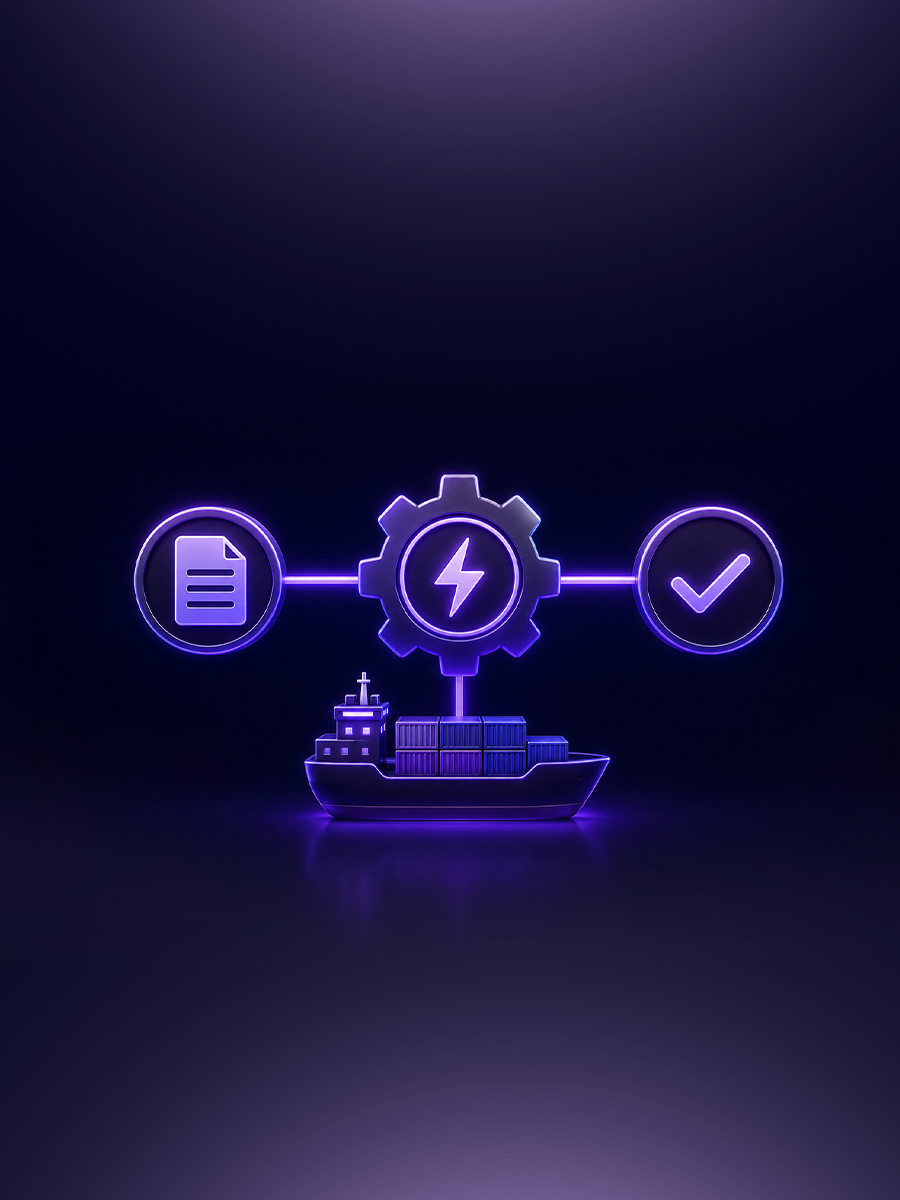
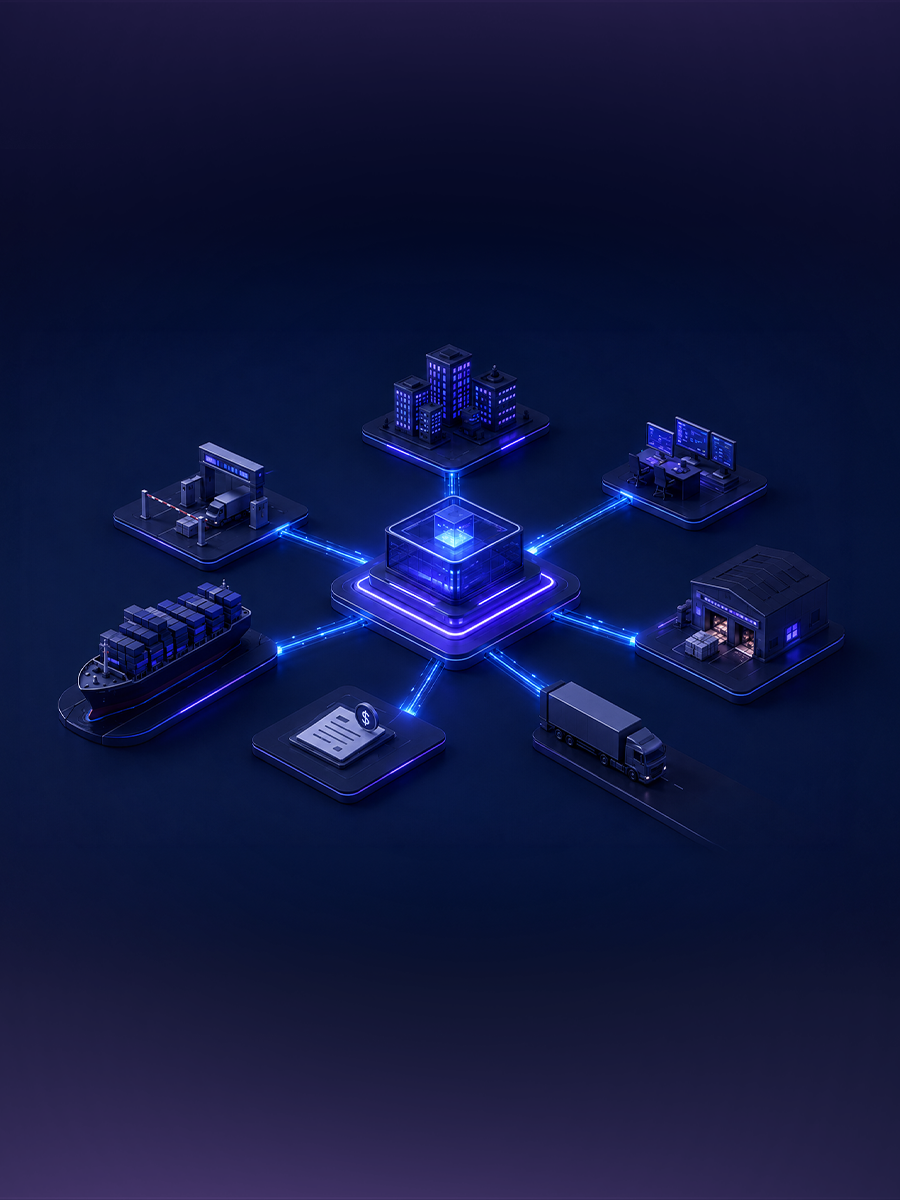
SFL then deployed its proprietary middleware as the orchestration layer between CargoWise and the external environments.
This was the critical piece.
Middleware allowed SFL to manage the differences between systems without forcing the client’s operations team to compensate for them manually. Data could be mapped, transformed and routed to the right destination while CargoWise remained the core operational environment.
SFL’s broader integration architecture is built specifically for this kind of requirement: connecting CargoWise to partner, carrier and customs environments through structured EDI, APIs and custom middleware, with the middleware layer handling the translation and orchestration required when systems do not naturally communicate in the same way.
Restoring the Partner E2E Flow
For the consolidation network, SFL rebuilt the data flow across the five key partner connections.
The important requirement was not simply to establish an electronic connection. The information had to move through the correct CargoWise structure so that data associated with a consolidation reached the relevant underlying shipment records rather than stopping partway through the process.
SFL established two-way EDI connectivity across the key partners, removing the need for operations teams to recreate shipment information once it crossed from one environment into another.
The practical change was significant. Information that already existed electronically could now continue moving electronically.
Bringing French Customs Into the Same Operating Flow
The SOGET AP+ requirement demanded a different integration.
SFL worked with the client to understand the French customs and port-messaging process, map the required exchange and connect that process directly back to CargoWise through the middleware layer.
Instead of maintaining a separate operational workflow in which teams had to move between CargoWise and the French environment, port and customs messaging could be handled through the connected CargoWise process.
The external compliance platform did not disappear—the need for SOGET AP+ remained. What SFL removed was the manual bridge between it and CargoWise.
That distinction is important. The client could meet the local French requirement without asking its operations team to maintain two versions of the same activity. The integration became responsible for moving the information between environments, rather than the user.
SFL’s internal project record describes the outcome directly: the French SOGET AP+ customs process was integrated into the CargoWise environment, removing the parallel-system workflow from daily operations.
The Results: 2,500 Exchanges a Month Without the Manual Bridge
The impact was immediate and measurable.
- 400+ hours recovered every month
Duplicate data entry between CargoWise, partner environments and the French customs process was removed from the operation. At the same run rate, that represents more than 4,800 hours of operational capacity a year.
- 2,500 EDI exchanges automated each month
High-volume information exchange could move through the integration rather than depend on employees repeatedly transferring the same data between systems.
- Five key partners connected at both ends
Two-way EDI connectivity replaced manual handling across the client’s core partner network.
- French customs connected directly into the CargoWise workflow
The SOGET AP+ process no longer required Operations to maintain a separate manual bridge between forwarding and customs environments.
The gain was not simply faster processing.
Shipment information could move through the partner network without being recreated at each boundary. Customs messaging could remain connected to the CargoWise process while still meeting the requirements of the French environment. And more than 400 hours every month moved back to an operations team that no longer needed to spend that time keeping disconnected systems aligned.
The Operation Stopped Acting as the Integration Layer
For years, the client had adapted around the gaps.
That is what often happens in mature technology environments. A connection does not work exactly as intended, so Operations creates a process around it. The workaround becomes familiar. New employees are trained into it. Eventually, the manual activity no longer looks like a systems problem—it simply looks like the way the business operates.
This engagement changed that.
SFL did not ask the team to manage the duplicate work more efficiently. It rebuilt the connections so partner data and French customs messages could move through the architecture without requiring a person to carry the information from one system to the next.
The 400 hours recovered every month was the visible result. The more important change was structural: data exchange became part of the technology environment instead of part of somebody’s workload.
For a consolidator operating across customers, partners and customs jurisdictions, that is what integration is supposed to do.
Where Is Your Team Still Connecting Systems by Hand?
CargoWise may sit at the centre of the operation, but much of the manual workload in mature environments appears at its edges—where data meets customers, carriers, customs authorities, finance platforms and partner systems.
SFL Tech has delivered 351+ live integrations, including more than 193 operational integrations and 31 customs integrations, spanning EDI, API, custom middleware, government systems and external logistics platforms. Its integration model is designed to keep those data flows governed inside the architecture rather than dependent on users repeatedly bridging systems themselves.
If information already exists electronically but your team still has to re-enter it somewhere else, talk to SFL Tech about connecting the gap.




.png)
.png)
.png)