

SFL transformed a high-volume carrier-rate maintenance process in CargoWise RMS, automating approximately 10,000 rate lines a month while freeing 487 hours of internal capacity for higher-value work.
For a global automotive logistics provider, carrier-rate maintenance had become a surprisingly large operational commitment.
The Australian business was already using CargoWise, and the opportunity to expand auto-rating and auto-costing was clear. The constraint sat further upstream. Carrier contracts from truckers, airlines and shipping lines still had to be interpreted, structured and maintained manually inside CargoWise before those capabilities could be used with confidence.
Across Sydney, Brisbane and Melbourne, 12 internal resources were collectively spending more than 487 hours every month on that work. A single carrier update could take three to four hours, and the task did not stop with base rates. Surcharges and subject-to charges changed frequently, adding another layer of maintenance to a process that had to remain current if the wider commercial operation was to trust the rates held in CargoWise.
As the Australian business continued to grow in 2022, the answer could not simply be more people entering more rates. The rate-management model itself had to become more scalable.
SFL was engaged to redesign it.
The Client
The client is a global supply-chain and automotive logistics provider with more than 70 years of operating history, a presence across more than 40 countries and, at the time of the engagement, a workforce of over 11,000 employees.
Its services extended beyond automotive logistics into sectors including consumer goods and electronics, healthcare and pharmaceuticals, and aeronautics. The SFL engagement focused on its Australian operation across Sydney, Brisbane and Melbourne, where CargoWise supported the underlying freight operation.
The business already had the platform and the commercial expertise behind its carrier relationships. What it needed was a more efficient way of translating those rates into CargoWise at the speed and accuracy required by a growing operation.
The Challenge: The Rating Opportunity Was Only as Strong as the Data Behind It
CargoWise RMS can automate the rating process, but it can only work from the rate information available to it.
That made carrier-rate maintenance a critical part of the commercial operation. Rates had to be entered correctly, validity periods maintained, surcharges updated and subject-to charges reflected before auto-rating and auto-costing could reliably support the shipment process.
For the client, the sheer effort required to keep that information current was becoming difficult to sustain. Rate sheets arrived in different formats from multiple carrier types, and each one had to be translated into the structure CargoWise required. The process was repetitive, time-consuming and susceptible to error simply because of the volume involved.
The effect was beginning to reach beyond the rate team. When carrier contracts were not maintained quickly enough, the business could not make full use of auto-rating and auto-costing, which meant a process intended to support faster commercial decisions was still being held back by the administration required beforehand.
The client wanted to remove that bottleneck without compromising accuracy.
Why SFL
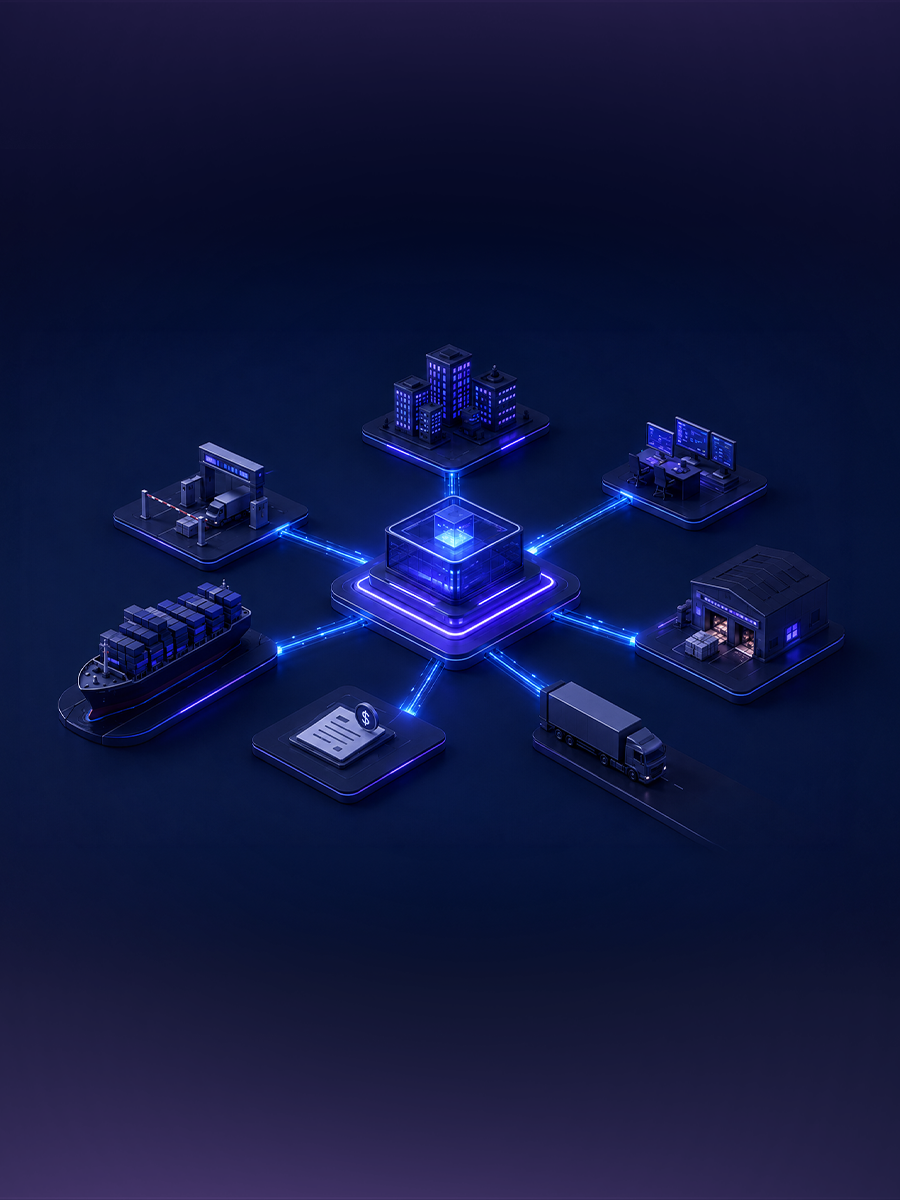
This was not a generic data-entry problem. The work sat at the intersection of CargoWise RMS, carrier-rate structures, operational process design and automation.
The client chose SFL because the engagement required:
- CargoWise RMS expertise to understand how carrier contracts, surcharges, subject-to charges and validity periods needed to be structured for downstream rating to work correctly.
- Process analysis before automation, so the team could establish where rate-entry logic was repeatable and where carrier-specific interpretation was still required.
- Experienced CargoWise resources capable of stabilising the rate-maintenance process immediately while SFL analysed the different carrier formats behind it.
- RPA and eAdaptor capability to move from a controlled manual model into scalable automation once the underlying rate logic had been understood.
- Ongoing quality control so the faster process could continue to be checked against source rates rather than relying on automation alone.
That sequence was important. SFL did not begin by automating a process it had not yet understood.
The SFL Solution: Stabilise the Process First, Then Automate What Could Scale
SFL began with a system audit covering the existing configuration and rate-upload process. The findings were used to recommend configuration improvements and define the SOPs and service levels required for a more controlled rate-management model.
The first stage was deliberately operational rather than technical.
SFL assigned experienced CargoWise rate specialists to take on the repetitive entry work while analysing the different carrier-rate formats moving through the business. That immediately relieved pressure on the client’s internal team, but it also gave SFL a much deeper view of the process itself: which fields remained consistent, where rate-sheet structures differed, how surcharges were presented, and which exceptions still needed human interpretation.
Those learnings then became the basis for automation.
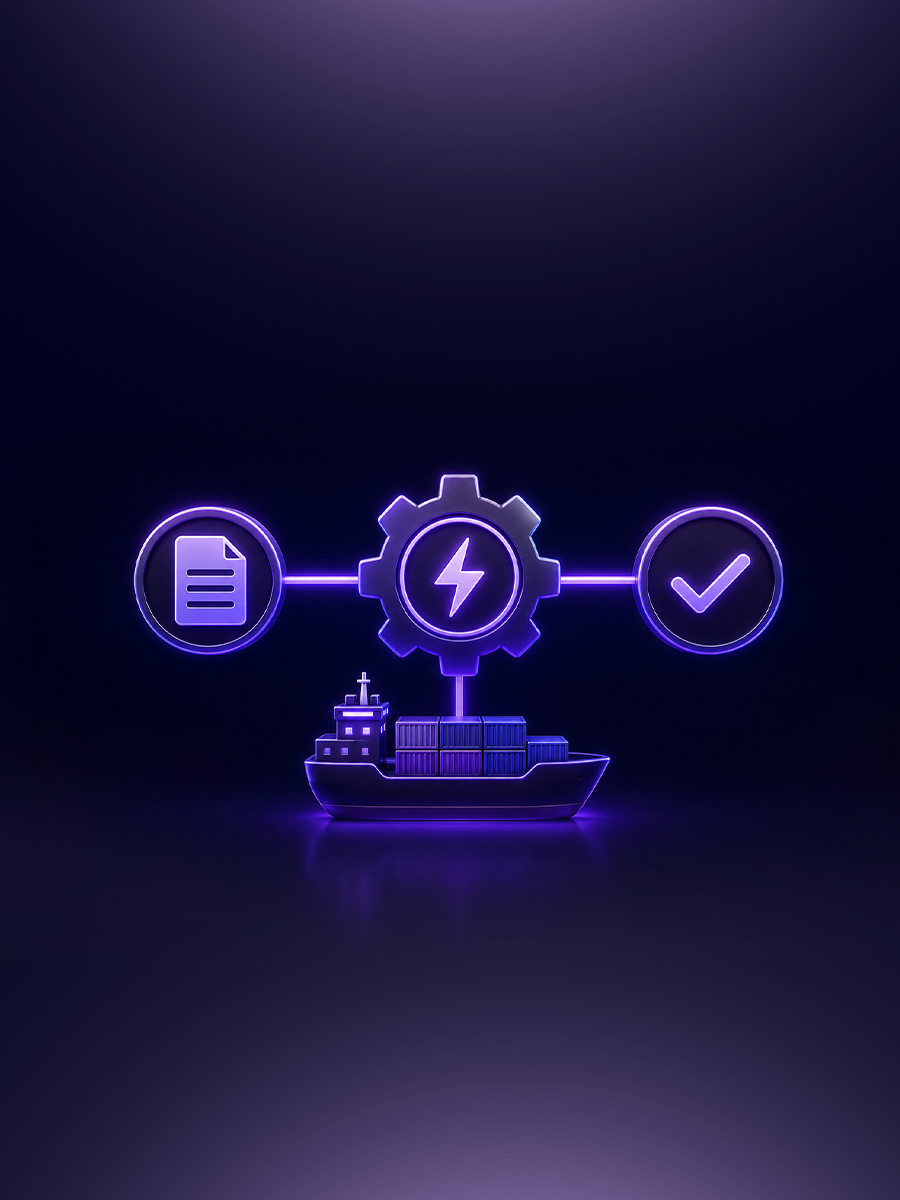
Rather than trying to force every carrier into one generic model, SFL developed RPA around the patterns that had been established through the live rate-entry process. Rate sheets received electronically could be read, the relevant rate information extracted and converted into the format required by CargoWise. The completed template was then passed into CargoWise through eAdaptor connectivity, removing much of the repetitive entry previously performed manually.
The automation also incorporated surcharges and subject-to charges, which was particularly important because those local charges could move independently of the base carrier rate and often generated a disproportionate amount of maintenance work.
Once that process was in place, the economics of rate maintenance changed considerably.
The automated model could process approximately 100 rate lines in 15 minutes or less, while the wider operation was handling around 10,000 rate lines every month. Work that had previously taken three to four hours per carrier could now move through CargoWise at a very different speed.
But the objective was not speed at any cost.
Carrier-rate automation only creates value when users can trust the result, so SFL built periodic rate audits into the operating model. Those audits compared processed rate information against the original source data and maintained accuracy in the region of 98% to 99.5%.
That was what ultimately made the model useful. The client could reduce the administrative burden behind rate maintenance without weakening the quality of the information feeding auto-rating and auto-costing downstream.
The Results
The new model changed both the amount of work required to maintain carrier rates and the value the business could extract from CargoWise RMS.
- 487 hours recovered every month — Time previously absorbed by carrier-rate maintenance was returned to the operation, creating additional capacity without scaling the same manual workload alongside business growth.
- 12 internal resources redirected to higher-value work — The engagement was designed to release skilled capacity, not reduce headcount, allowing existing teams to spend more time supporting the company’s wider growth priorities.
- Approximately 10,000 rate lines automated each month — Carrier-rate volume could increase without creating an equivalent increase in manual entry.
- 100 rate lines processed in 15 minutes or less — Updates that previously required hours per carrier could move through a significantly faster automated process.
- 98–99.5% rate accuracy maintained — Periodic audits provided a continuing control around automated rate entry and protected confidence in the data reaching CargoWise.
- Surcharges and subject-to charges included in the automated process — Frequent local-rate movements could be maintained alongside base carrier pricing rather than becoming a separate manual burden.
- Greater use of CargoWise auto-rating and auto-costing — A more current and consistently maintained rate foundation allowed the wider operation to make better use of RMS capability.
The Real Value Was Not Faster Entry. It Was a Rate Model That Could Grow.
The most visible outcome from the engagement was the 487 hours returned to the business every month. But the more important change sat behind that number.
Before SFL’s intervention, growth created a direct increase in rate-maintenance effort. More carrier contracts, more pricing changes and more local surcharges meant more administration had to be absorbed internally simply to keep the system current.
SFL changed that relationship by separating the parts of rate management that genuinely required commercial judgement from the parts that could be standardised and automated.
The business retained ownership of the carrier relationships and pricing decisions. SFL redesigned how those decisions were translated into CargoWise, progressively reducing the amount of repetitive work required to keep RMS current.
That meant the benefit travelled beyond the rate team. More reliable rate maintenance created a stronger foundation for auto-rating, auto-costing and the commercial decisions that depend on them.
For a growing logistics operation, that is the bigger return: not simply entering the same rates faster, but making sure rate volume can grow without administrative effort growing at the same pace.
Is Rate Maintenance Limiting the Value of Your CargoWise RMS?
Auto-rating begins long before CargoWise calculates a charge.
It depends on how efficiently carrier rates are received, interpreted, maintained and governed inside the platform. When commercial or operational teams are spending substantial time updating rate sheets, surcharges and validity periods manually, the business may have more RMS capability available than its current rate-management process allows it to use.
SFL Tech helps CargoWise operators redesign that process across RMS, Rates & Tariffs, rate data management, automation and integration, with the objective of reducing repetitive maintenance while improving the data feeding quoting, rating and costing.








.png)

.png)
.png)