
A freight forwarder can add customers, offices and shipment volume relatively quickly. What becomes harder is keeping the operation around that growth under control.
Every shipment creates a chain of commercial and operational decisions. Rates need to become quotes, quotes need to become bookings, carrier schedules need to feed execution, shipment information has to support documentation and customs, customers need visibility, and the financial outcome eventually has to reconcile with what was sold at the beginning. As the business expands, each of those stages creates more handovers, more information and more opportunities for processes to diverge between teams and locations.
This is where the choice of operating platform begins to matter.
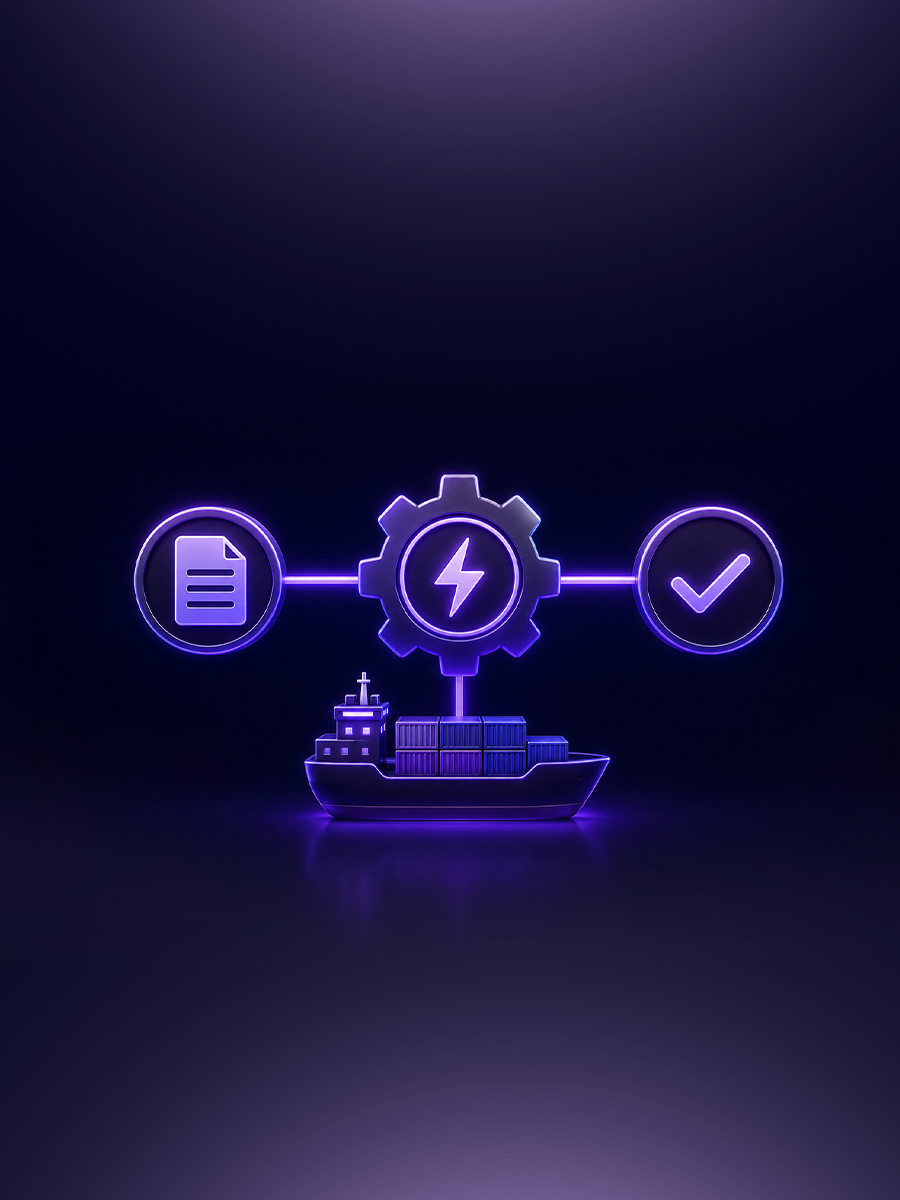
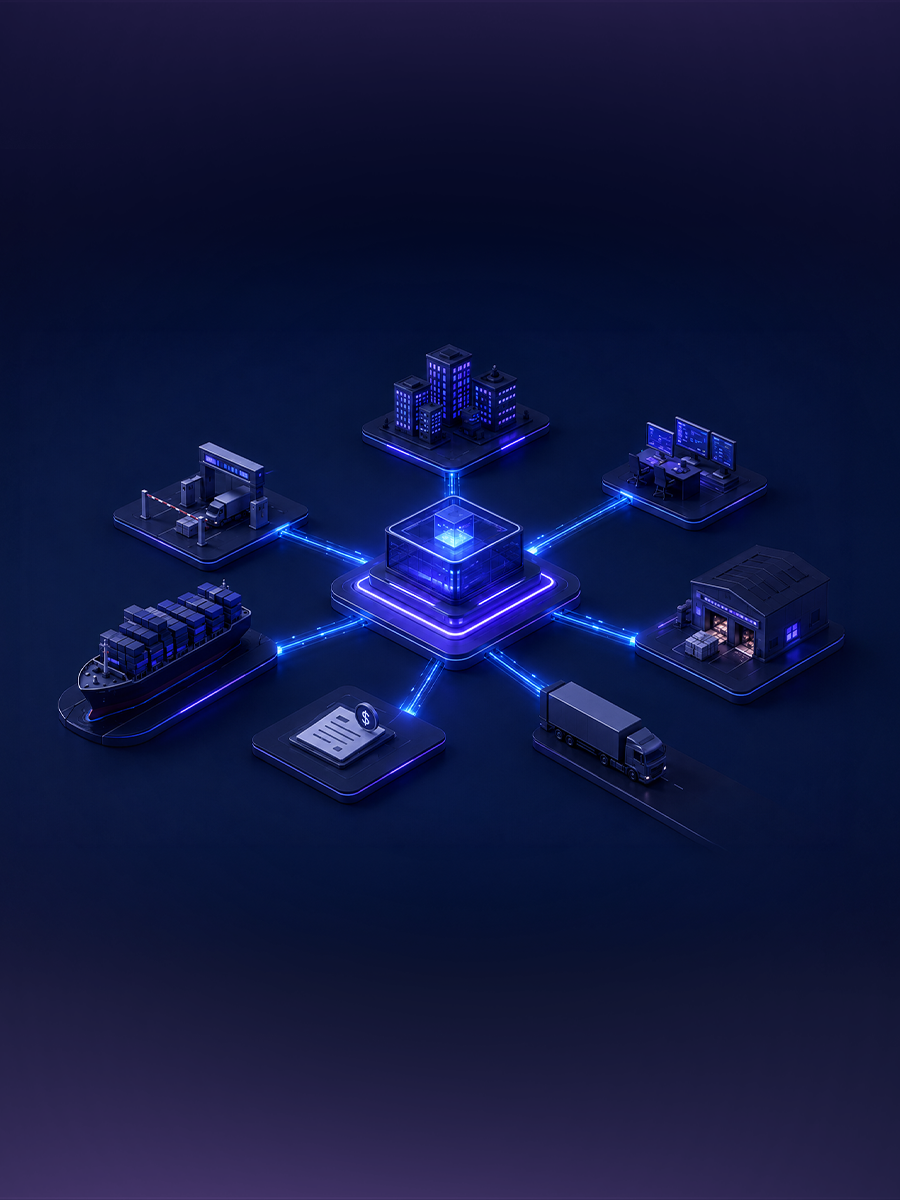
CargoWise was built specifically around international logistics, bringing forwarding, customs, transport, warehousing, customer visibility and financial processes into one environment. Its current forwarding platform runs from the initial quote through to final invoice, with rates, schedules, bookings, documentation, carrier connectivity and workflow operating around the same underlying shipment.
For a forwarder, the significance is larger than having several functions available in one piece of software. It creates the possibility of running the business around one operational record rather than asking people to continually reconnect the shipment as it moves from one function to the next.
The Cost of Forwarding Sits in the Handovers
Consider what happens after a customer accepts a quote.
The commercial team has already established the customer, route, rates and expected margin. Operations now needs much of that information to create and execute the shipment. Carrier schedules and booking details are added. Customs may need shipper, consignee, commodity and transport data. Customer Service needs the milestones generated as the shipment moves. Finance ultimately needs the costs, revenue and job information required to invoice accurately and understand the margin achieved.
When these stages are disconnected, the business creates work between them. Information is copied, checked, reformatted or chased. A change made in one part of the operation has to be communicated somewhere else. Teams gradually build local processes to compensate for what does not flow naturally.
At low volumes, much of that complexity can be absorbed by experienced people.
At scale, it becomes expensive.
CargoWise addresses this by allowing information created earlier in the shipment to remain useful later in the process. Its Rates and Contracts capability, for example, allows forwarders to compare buy and sell rates, calculate margins, create quotations and convert accepted commercial terms into bookings and job costing. The same principle continues into schedules, shipment execution, documentation, customs and accounting.
This is where an integrated platform begins changing the operating model. The organisation spends less effort recreating the transaction every time ownership changes.
From Commercial Decision to Operational Execution
Freight forwarding margins are usually tight enough that small operational inefficiencies matter.
If the rate sold to the customer becomes disconnected from the cost used to execute the shipment, margin becomes harder to control. If carrier data has to be continually checked outside the operating system, more administrative effort enters the job. If a milestone already exists electronically but somebody still has to update the customer manually, the business is paying twice for the same information.
CargoWise is designed to keep more of that activity inside the forwarding workflow.
Forwarders can search carrier schedules, compare routes, bring voyage details directly into the shipment and manage air and ocean bookings electronically. Existing customer and job information can populate booking activity, while carrier and schedule updates can feed subsequent operational decisions.
The operational benefit becomes more significant as volumes increase because the organisation is no longer relying on people to coordinate every routine step.
That does not remove the forwarder from the process. It changes where the forwarder spends time.
A rolled container, customs hold, customer exception or missed connection still requires experience and judgement. A routine milestone occurring exactly as expected does not deserve the same level of human attention.
The stronger the workflow around the shipment becomes, the more clearly the business can separate those two categories of work.
Scale Requires More Than Automation
This is particularly important for forwarders operating across multiple branches or countries.
Growth introduces variation. Different teams develop different workflows. Regional requirements create legitimate exceptions. Acquisitions bring inherited processes. Key customers receive bespoke handling. Over time, what began as one forwarding business can become a collection of local operating models sharing the same brand.
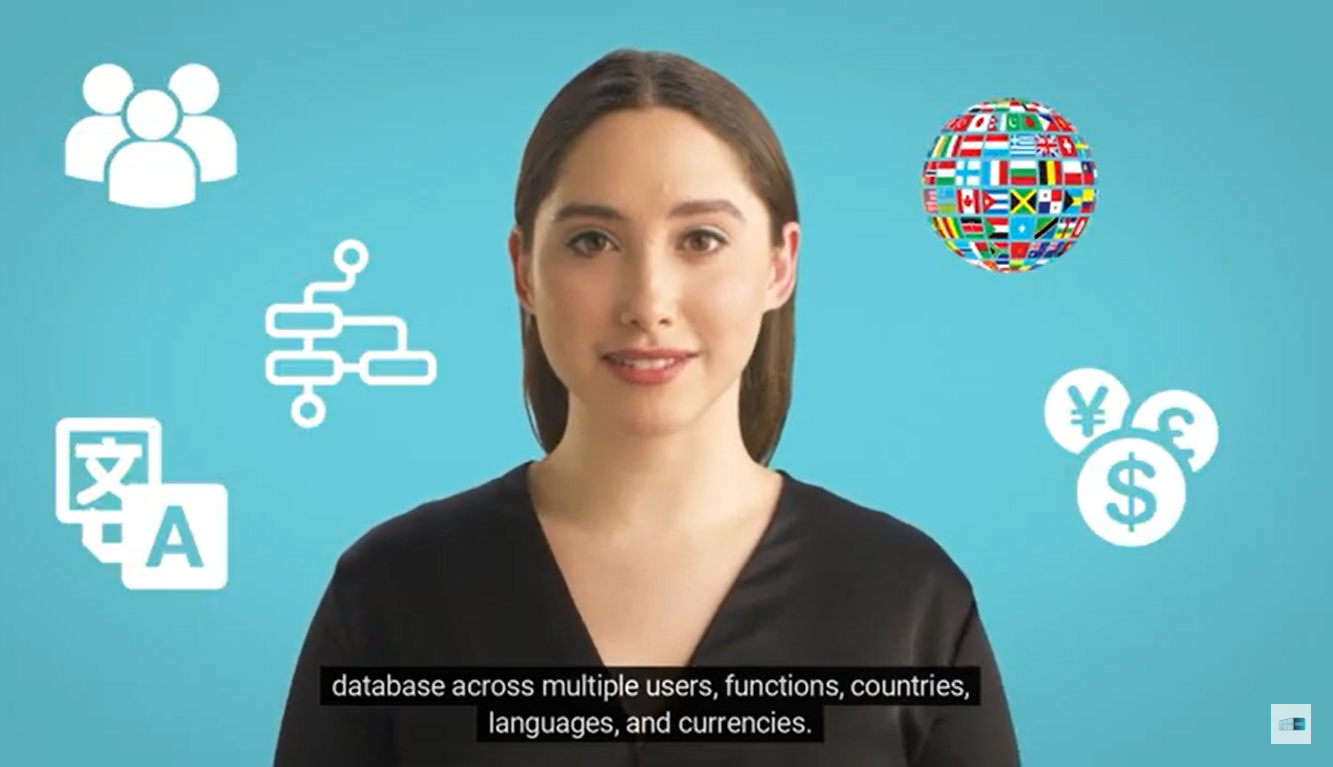
CargoWise provides a common foundation across that complexity. The platform is licensed for use across 193 countries, supports 30 languages and 162 currencies, and is currently used by 16,500 logistics organisations, including 24 of the world's top 25 global freight forwarders and 46 of the top 50 global 3PL providers.
Those figures demonstrate the scale at which the platform can operate, but the more important point for a growing forwarder is what that common foundation allows the business to standardise.
A global operation still needs local compliance, local market knowledge and regional flexibility. What it does not need is a completely different method of running the core forwarding process in every office.
The areas that benefit most from that consistency include:
- master and customer data that can be governed across the network;
- common forwarding workflows and operating milestones;
- rates, bookings and carrier information connected to the shipment;
- customs data that can reuse information already held elsewhere in the operation;
- customer visibility built from the operational record;
- financial information tied back to the job and its actual execution.
This gives leadership a more coherent business to manage. Operational performance becomes easier to compare, training becomes more repeatable and process improvements can be applied across the network rather than solved office by office.
Customer Visibility Is an Operational Outcome
Customer experience is a good example of why this matters.
Forwarders are under constant pressure to provide better shipment visibility, faster answers and more proactive communication. The instinct can be to treat that as a customer-service problem and add another layer of technology around the customer.
But the quality of customer visibility is determined much earlier.
If shipment milestones are late, documents sit outside the job or operational data is inconsistent, no customer portal can make the underlying information better.
CargoWise Neo takes shipment data already generated through the operation and exposes relevant visibility to customers through tracking, mapping and shipment information.
That changes the economics of customer service. As the forwarder grows, every additional shipment does not necessarily need to create another equivalent stream of status emails, document requests and manual updates.
Good visibility becomes a consequence of good operational execution.
For a forwarder trying to scale service without scaling administrative overhead at the same rate, that relationship matters.
The Same Principle Extends Into Customs and Finance
The strongest forwarding operation also avoids treating Customs and Finance as activities that begin after Operations has finished its work.
Customs declarations depend heavily on information already created around the shipment. CargoWise supports the reuse of existing shipper, importer, bill of lading, vessel and voyage information in customs processes, as well as direct electronic exchange with customs authorities in supported jurisdictions.
The benefit is continuity. Customs starts with more of the information the organisation already holds, rather than rebuilding the shipment purely for regulatory processing.
Finance has a similar dependency.
A forwarding job only produces its commercial return once the organisation has captured the correct costs, raised the right invoice and understood the resulting margin. CargoWise connects accounting capabilities with the wider operational environment, while its rates functionality can carry pricing and job-costing logic forward into account settlement and invoicing.
That creates a much clearer line from what Sales intended to earn, through what Operations actually did, to what Finance ultimately recognises.
For leadership, this is where a forwarding ERP becomes more than an operational tool. It starts providing the structure required to understand how the business is performing at job level and where process decisions are affecting financial outcomes.
So Why CargoWise?
The case becomes clearer when viewed through the entire forwarding operation rather than through individual CargoWise modules.
A forwarder has to coordinate customers, rates, capacity, carriers, documentation, borders, exceptions, finances and external partners around the same shipment. As volumes and geography expand, the cost of keeping those elements aligned can become one of the largest constraints on growth.
CargoWise gives the business a common operating environment in which more of those activities can remain connected.
That is why its value tends to increase with complexity.
A growing forwarder does not simply need software capable of processing more shipments. It needs an operating model that allows more shipments, customers and markets to be absorbed without multiplying the manual coordination around each one.
CargoWise provides the platform for that model.
Where SFL Tech Comes In
The platform alone does not determine how well that model performs.
CargoWise is deliberately broad and configurable. A forwarder still has to decide how processes should be structured, where workflows should be standardised, which regional variations genuinely need to remain, how master data should be governed, where integrations should remove handovers and how teams should be trained to operate consistently.
That is the implementation challenge.
For a business moving onto CargoWise, SFL Tech works through the operating model before simply configuring functionality: how freight moves today, where the business wants to scale, which processes should become common and where technology can remove unnecessary intervention.
For an established CargoWise customer, the work is different. The opportunity may sit in workflows built years earlier, functionality that has never been fully adopted, integrations that could eliminate repeated activity, master-data issues limiting automation, or regional processes that have gradually moved away from the intended operating model.
In both cases, the objective is the same: make CargoWise carry more of the operational complexity so that people can spend more of their time managing the freight, the customer and the exceptions where their experience genuinely adds value.
Freight forwarding will always be complex. The industry crosses borders, modes, regulations, systems and thousands of external parties every day.
The strategic question is how much of that unavoidable complexity the forwarder also chooses to recreate inside its own business.
CargoWise gives forwarders the operating foundation to grow the network without allowing the coordination around every shipment to grow at the same rate.







.png)


.png)
.png)