.png)

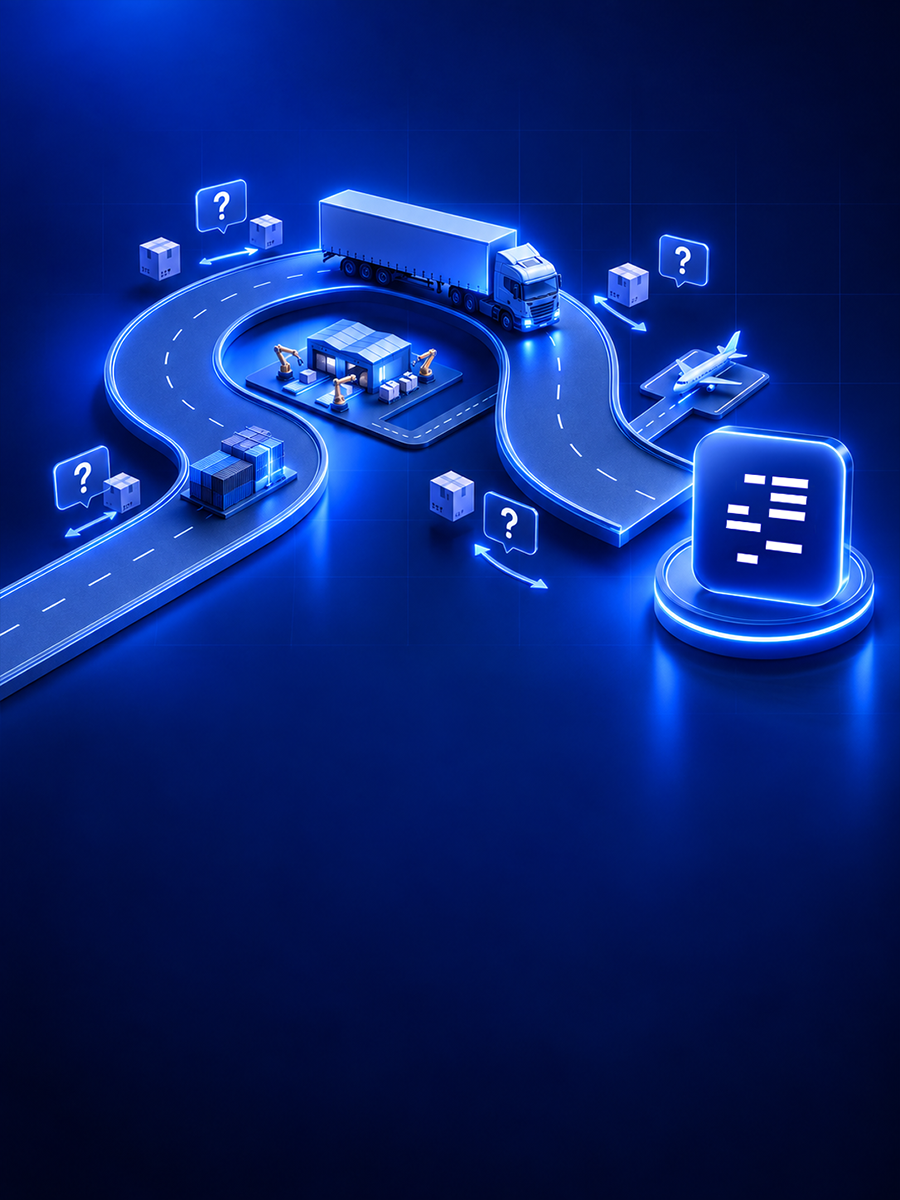
Somewhere in your operation, there's a person who knows the codes.
They can classify a shipment from memory. They know that the component your client calls a "sensor housing" actually falls under a completely different heading than the one the supplier declared. They know which subheadings attract preferential rates under which trade agreements, and which ones trigger additional regulatory requirements that will hold a shipment at the border for 3 days if you miss them.
They've been doing this for 15 years. Maybe 20. And most of what they know lives nowhere except inside their head.
This is how tariff classification works in the majority of freight businesses. Not as a system. Not as an embedded operational capability. As institutional memory, carried by a handful of experienced people, applied manually to every declaration, and quietly holding together one of the most financially consequential functions in the entire operation.
It works beautifully. Right up until it doesn't.
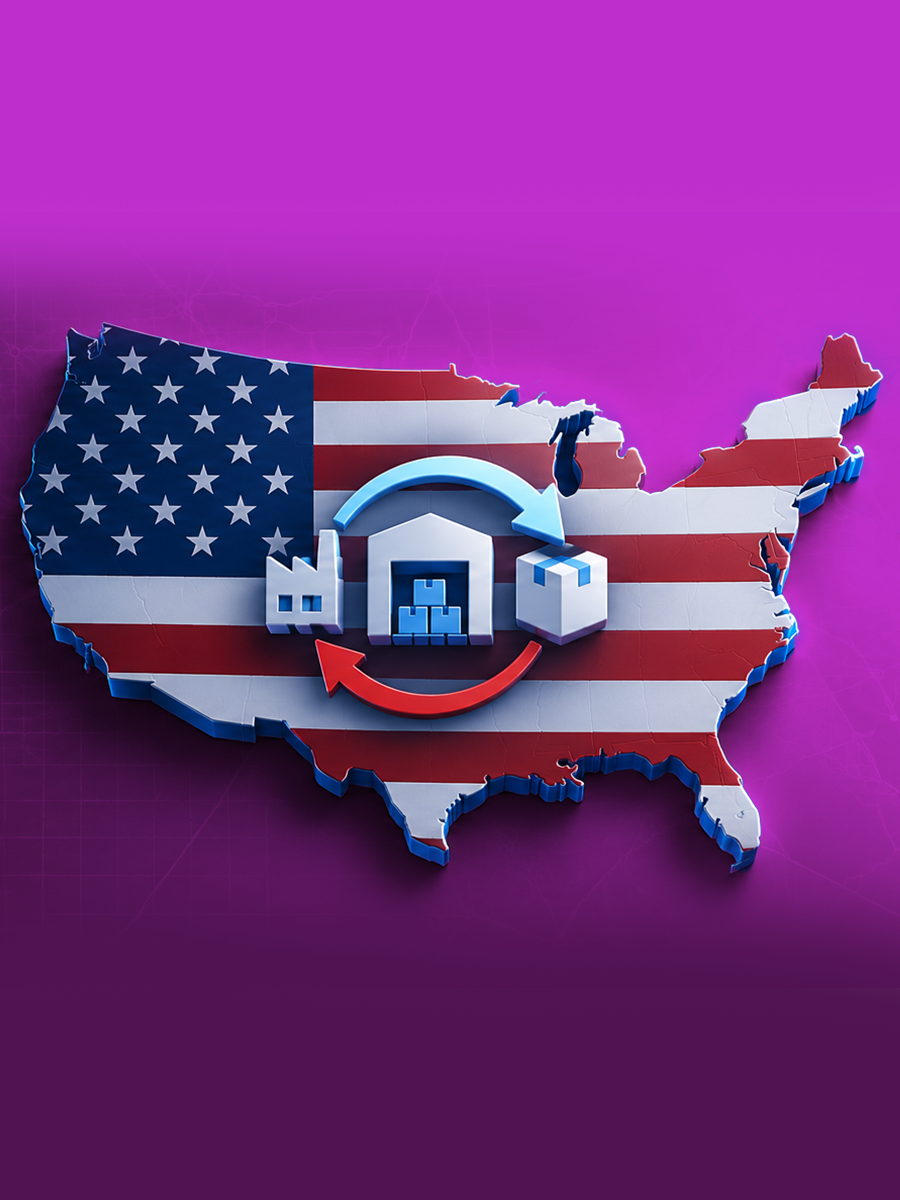
The Harmonized System governs 98% of all merchandise in international trade. Over 200 countries use it. Every duty calculation, every preferential rate application, every customs declaration your business submits depends on getting the classification right. And in 2025, classification errors cost the global freight industry more than $5 billion in fines alone. Not delays. Not operational drag. Hard penalties. The kind that arrive with a letter and a number your finance team wasn't expecting.
The system that never sits still
Here's the part that makes classification a perpetual risk rather than a solvable problem. The Harmonized System changes. Not occasionally. Structurally. The WCO revises it every 5 to 6 years, and each revision isn't a tweak. HS 2022, the edition everyone is currently working from, introduced around 350 sets of amendments. Codes that had been stable for half a decade were split, merged, deleted, or reclassified. Products moved headings. Duty implications shifted overnight for anyone who didn't catch the change.
And HS 2028 is already finalised. Agreed by the WCO Committee in April 2025. Formally adopted by December. Correlation tables published this year. Implementation on 1 January 2028. Another 299 amendments, this time reshaping healthcare, food, environmental, and plastics classifications.
Every country that uses the HS will transpose those changes into their national tariff schedules. Every freight business operating across borders will need to verify whether the codes they've been relying on still mean what they think they mean. And the person who carries your classification knowledge in their head? They'll need to relearn a meaningful portion of what they know, manually, while still handling live declarations on the codes that haven't changed yet.
This is where the architecture problem reveals itself. Operations that run classification through their platform absorb a revision in weeks. The tariff data updates, the system reflects it, declarations are checked against current regulatory positions before submission. Operations that run classification through people absorb it over months, one misclassification at a time, discovering the gaps when penalties arrive or shipments stall.
Why customs unions turn a classification error into a cascade
If this is consequential in a single country, it becomes something else entirely inside a customs union. And the Southern African Customs Union is the most vivid example of what "something else" looks like.
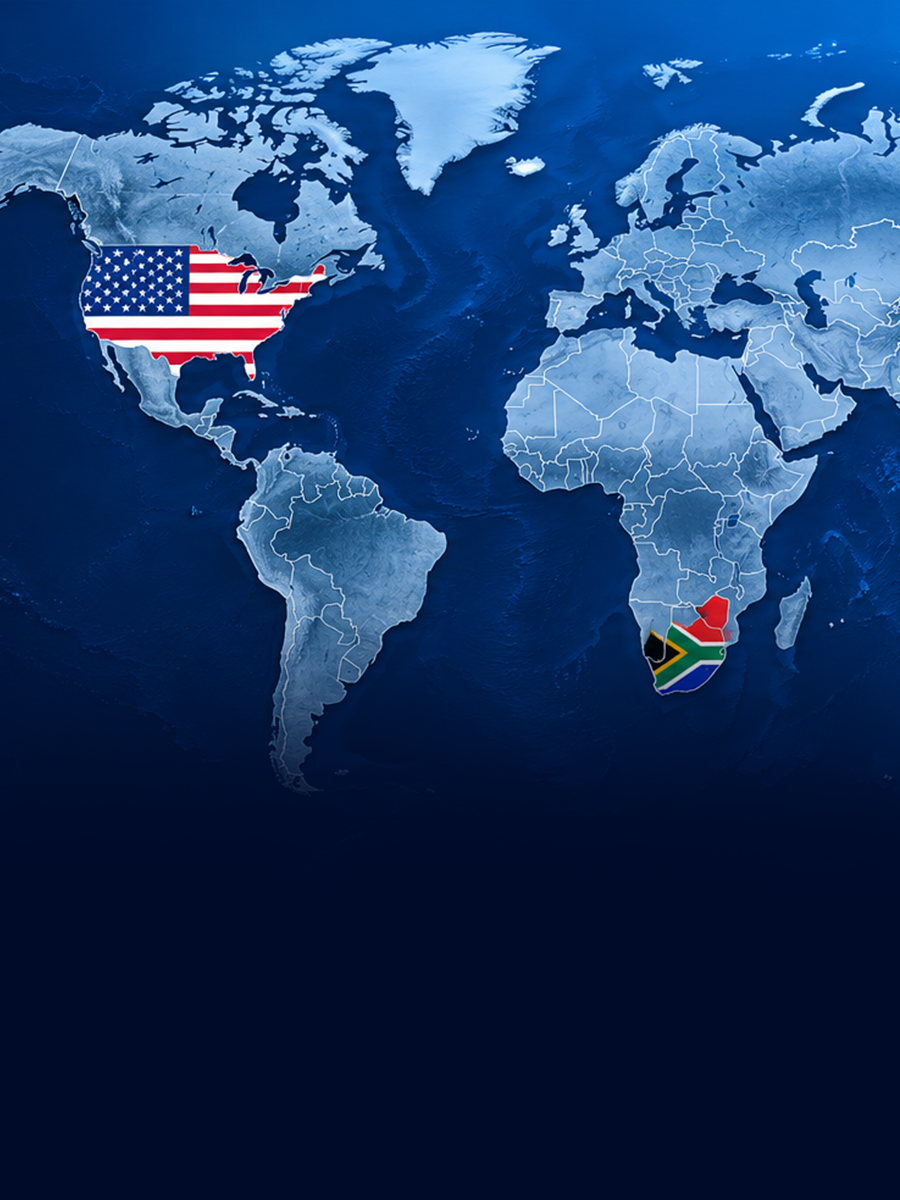
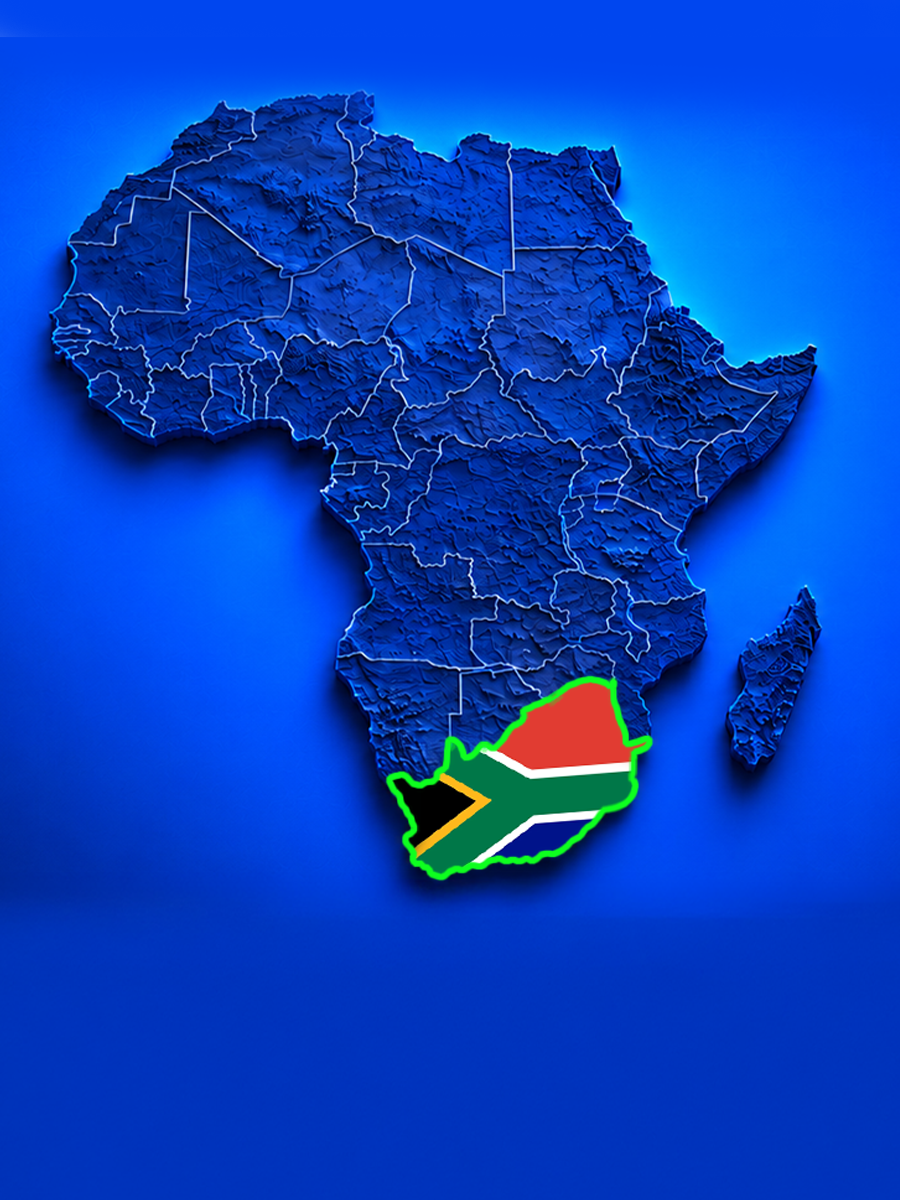
SACU is the oldest customs union in the world. Five nations. South Africa, Botswana, Namibia, Lesotho, and Eswatini. One Common External Tariff applied uniformly across all of them. No internal duties. A shared revenue pool that distributes customs income between 5 governments based partly on what comes in and how it's classified.
Think about what that means operationally. A classification error in this environment doesn't sit quietly in one country's customs file. It ripples across a tariff structure that determines revenue flows between sovereign states. With rates as high as 142% on specific products and clothing duties at 40 to 45%, the financial distance between the right code and the wrong one isn't a rounding error. It's a material commercial event.
SACU's migration from HS 2017 to HS 2022 took years. A dedicated working group. Regional advance ruling frameworks so a classification decision made in Windhoek would be recognised in Gaborone. National awareness campaigns. New advance ruling systems built from scratch in member states that didn't have them. All coordinated across 5 governments with different capacities, different infrastructure, and a pandemic pushing everything virtual in the middle of it.
That was one HS transition. In one customs union. And it demanded that level of coordination because classification in a shared tariff environment isn't a back-office function. It's a structural integrity issue.
Advance rulings are the most underused commercial tool in complex tariff environments
A binding advance ruling gives you a classification decision from a customs authority before the shipment moves. In a customs union like SACU, that ruling is recognised across the territory. It converts classification from a judgment call your team makes under time pressure into a defensible, auditable, contractual position. If you're operating in multi-jurisdiction tariff environments without using advance rulings, you're carrying financial risk you don't need to carry.
Africa's trade ambition runs directly through classification infrastructure
SACU's complexity exists within a continental trade environment that is raising the stakes further. The African Continental Free Trade Area is the largest free trade area by country count in the world. Fifty-four member states. And the ambition is real: intra-African trade approaching $230 billion, with projections suggesting it could grow by more than 50% over the next decade if the infrastructure catches up to the policy.
But infrastructure isn't just roads and ports. It's customs systems. It's tariff harmonisation. It's the ability to classify a product in Lagos and have that classification hold when the same product crosses a border into Accra.
That's not where Africa is yet. Customs procedures vary between countries. Rules of origin negotiations remain incomplete in key product categories. Non-tariff barriers, the friction at borders created by inconsistent documentation, unpredictable clearance processes, and informal payments, are widely acknowledged as more obstructive than the tariffs themselves.
For any freight business operating in or into Africa, classification accuracy isn't a compliance concern. It's a commercial one. A preferential rate available under one agreement may not apply if your classification doesn't align precisely with the partner country's schedule. A product cleared smoothly in Durban may face different interpretive treatment at a border crossing 2,000 kilometres north. And as AfCFTA expands, the volume of trade requiring defensible, consistent classification is growing faster than most operations are equipped to handle.
The vulnerability nobody plans for
Come back to that person who knows your codes. The one who's been classifying your top 200 products from memory for 15 years.
What happens when they retire? When they move to a competitor? When they go on extended leave and the person covering for them applies the code they've always seen on the template, not realising it was amended 4 months ago?
This is the conversation most freight businesses haven't had with themselves. Not because they don't recognise the dependency, but because the dependency has always delivered. The experienced broker gets it right. The senior customs specialist catches the change. The system works because the people work.
But it's a system with no redundancy, no audit trail beyond what's in someone's memory, and no mechanism for absorbing change at the speed the regulatory environment now demands. When the HS revises every 5 years, when national tariff schedules update dozens of times annually, when preferential trade agreements redraw duty landscapes, and when new compliance requirements are layered on top of existing ones, human memory isn't a classification strategy. It's a liability that hasn't been called in yet.
The operations that have moved past this don't run better people. They run classification as a system capability. Tariff data that updates in real time through the platform. Every declaration checked against current regulatory positions before submission. An HS revision absorbed through a system update rather than months of manual reclassification and the quiet accumulation of errors.
The gap between classification as paperwork and classification as capability is now a P&L line
Every HS revision produces the same pattern. It has done for 4 decades and 7 revisions. The operations where classification lives in the system absorb the change and keep moving. The operations where classification lives in people's heads absorb the cost and wonder where the margin went.
HS 2028 lands in 15 months. The codes you've relied on may or may not still mean what they mean today. The person who carries your classification knowledge may or may not still be in the building when the transition hits. And your operation will either have the architecture to handle it, or it won't.
That's not a compliance question. It's a commercial one. And every freight business in the world is going to answer it, whether they planned to or not.
.png)
.png)

.png)

.png)





.png)
.png)





.png)
.png)
.png)



.png)





.png)




.png)












.png)











.png)




.png)
.png)