

AI is reshaping operational roles faster than most org charts can absorb. Four generations now share the same floor, each with fundamentally different expectations around progression, flexibility, and purpose. Skills that were sufficient 3 years ago are becoming obsolete while entirely new capabilities emerge that no university programme teaches yet. Talent competition has gone global in ways that make local salary benchmarking almost irrelevant.
Every one of those forces is real, and every one of them is accelerating. But what's easy to miss in the noise of "future of work" commentary is that in a logistics business, all of them converge on the same function. HR isn't adjacent to these challenges. It's the function where every single one of them arrives first, needs to be interpreted, and has to be translated into something the operation can actually work with.
That makes HR, properly understood, one of the most strategically consequential functions in a modern freight business. Whether it's being treated that way is a different question entirely.
The brief changed. The perception hasn't.
What HR is actually responsible for inside a well-run logistics business in 2026 bears almost no resemblance to what it was responsible for a decade ago.
It's workforce architecture. Designing roles not for how the operation runs today, but for how it will need to run in 18 months when the automation rollout shifts 30% of manual processes to exception management. Mapping the skills the business has against the skills the business will need and building a development strategy that closes the gap before it becomes a service problem.
It's generational fluency. Understanding that the 58-year-old customs manager and the 25-year-old data analyst sitting in the same office are motivated by different things, communicate differently, measure career success differently, and that neither is wrong. Building an operating environment that gets the best from both without forcing either into a framework designed for the other.
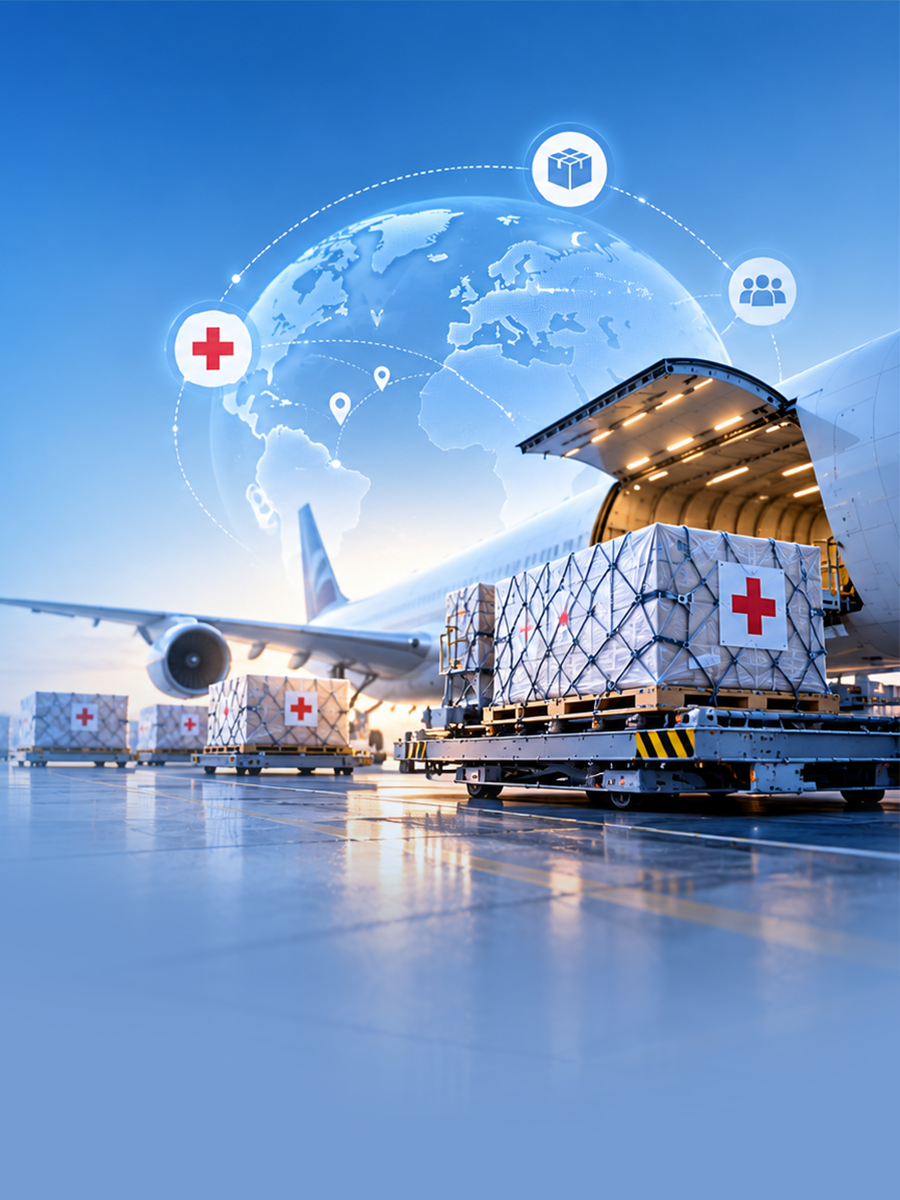
It's talent strategy at a global level. Knowing that the compliance specialist you need in Johannesburg is being recruited by a fintech in Dublin offering remote work, and that your value proposition needs to be sharper than a salary number. Understanding what makes people choose logistics, what makes them stay, and what makes them quietly start updating their CV 6 months before they leave.
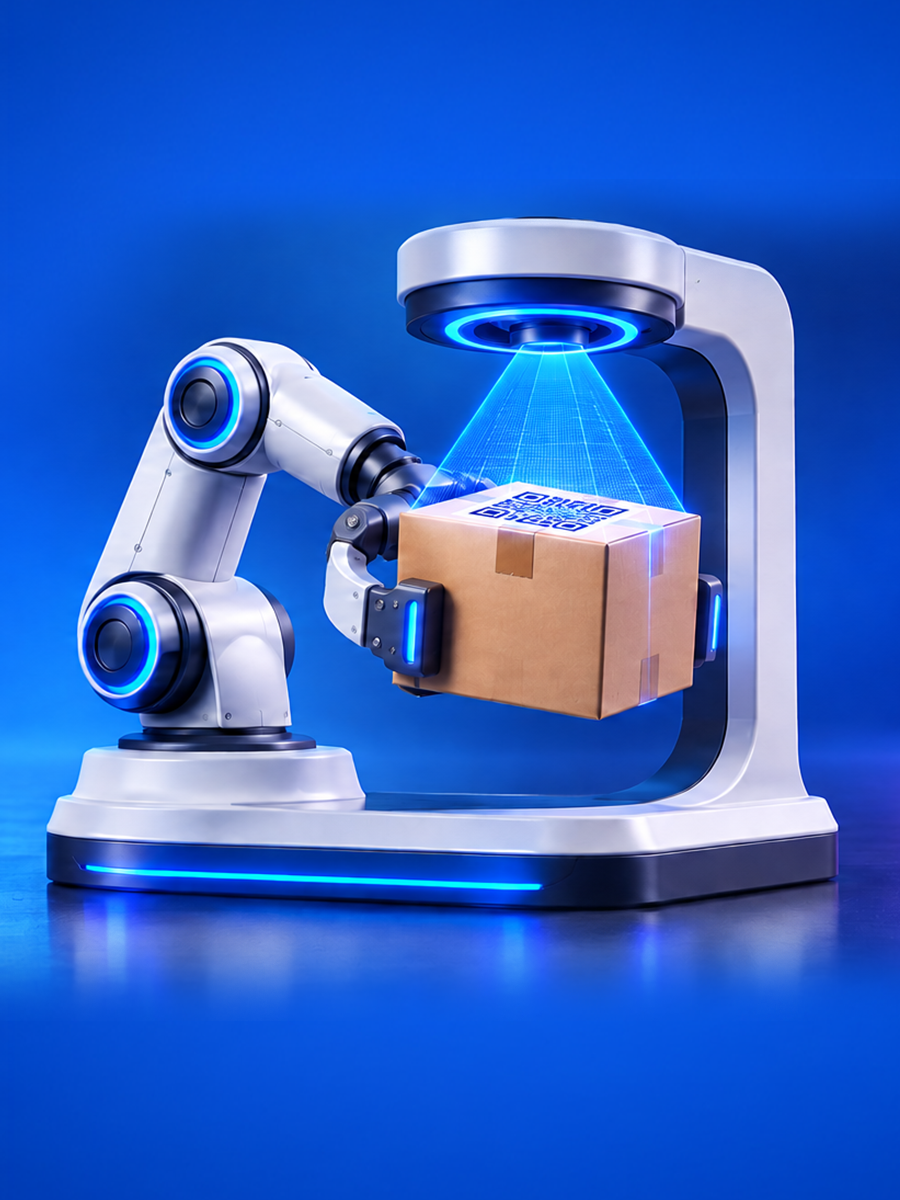
It's technology enablement. Not selecting the HR platform, but ensuring that when the business invests in a new operational system, the people who will use it are ready, willing, and capable. The most common reason technology implementations stall isn't technical complexity. It's people readiness. That's HR's territory, and it's directly on the critical path of every transformation programme.
The Modern HR Brief in Logistics
Workforce architecture. Generational fluency. Global talent strategy. Technology enablement. People readiness for transformation. That's what the function actually covers in 2026. The businesses treating it as administration are asking a back-office team to solve boardroom-level problems.
Designing for a workforce that doesn't exist yet
This is the dimension of HR's role that most logistics leadership teams haven't fully absorbed. The workforce a freight business needs in 2028 looks materially different from the one it employs today, and the function responsible for building toward that future state is HR.
Demand for AI-skilled supply chain professionals has surged 387% in 3 years. That isn't a trend. It's a structural shift in what logistics roles require. The operations coordinator of 2028 isn't entering data into a system. They're managing the exceptions that AI-driven systems surface and making judgment calls the technology can't. The compliance specialist isn't manually classifying tariff codes. They're overseeing automated classification engines and intervening where regulatory nuance exceeds what the model can handle.
Those are different roles requiring different skills, and the gap between what most logistics workforces can do today and what they'll need to do shortly is HR's problem to solve. Not alone, but centrally. Development programmes that align to the technology roadmap. Career pathways that make the transition visible and achievable. Reskilling strategies that retain institutional knowledge while building new capability on top of it.
The businesses doing this well aren't treating workforce development as a training budget. They're treating it as strategic investment with the same planning horizon and the same leadership attention they'd give to a platform migration or a market expansion.
The employee experience is no longer a perk. It's a retention mechanism.
In a talent market this competitive, how someone experiences working inside your logistics business is a commercial variable. It determines whether they stay, whether they refer others, whether they bring discretionary effort or simply meet the minimum requirement.
That experience is designed, whether intentionally or by default. Onboarding is either a structured 90-day programme that builds competence, confidence, and connection, or it's an improvised week of shadowing followed by "ask if you have questions." Career development is either a visible, personalised pathway that the employee and their manager review regularly, or it's a vague promise that "there's room to grow" with no evidence to support it. Feedback is either continuous and constructive, or it arrives once a year in a form that nobody finds useful.
Every one of those touchpoints sits within HR's remit. And in a sector where the Deloitte 2026 survey of 22,500 respondents across 44 countries found that most younger professionals favour stability, skills development, and sustainable workload over rapid promotion, getting the experience right isn't about perks or benefits packages. It's about designing an environment where capable people can do meaningful work, develop at a pace that keeps them engaged, and see a future worth staying for.
The Experience That Retains
- Onboarding that builds competence in weeks, not months, and connects new hires to the operation's purpose, not just its procedures.
- Development that aligns to both the individual's ambitions and the business's evolving needs, updated regularly rather than reviewed annually.
- Feedback that is continuous, specific, and actionable. Not a form. A conversation.
- Career visibility that shows people where they can go and what it takes to get there, so growth feels tangible rather than theoretical.
Technology enables all of this. It doesn't replace any of it.
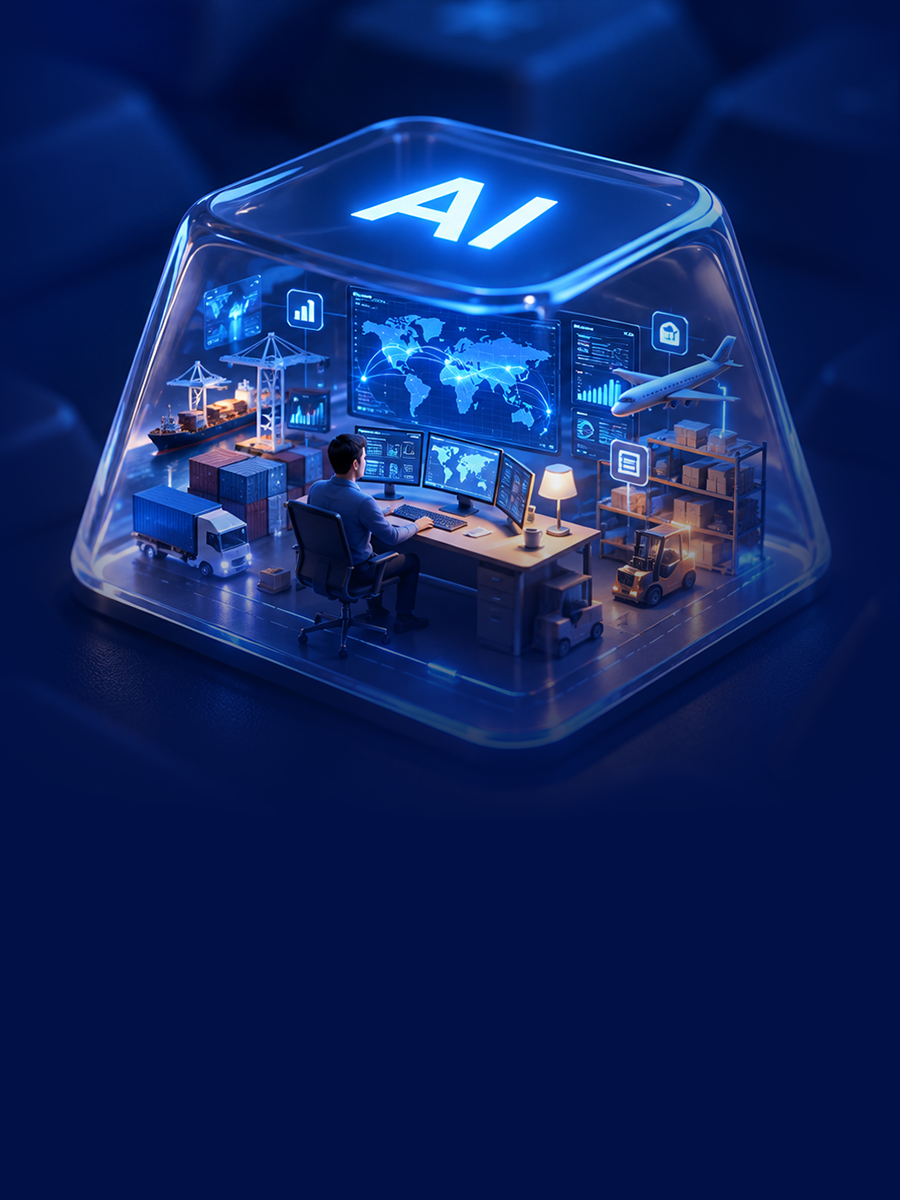
Modern HR technology is extraordinarily capable. It can predict attrition, map skills across an entire organisation, personalise learning pathways, and deliver consistent onboarding across 20 markets simultaneously. It can surface patterns that no human team could identify manually and act on them at a speed that would have been impossible even 3 years ago.
But the technology amplifies whatever the function already is. In a business where HR operates strategically, technology turns good instincts into scalable systems and gives the function leverage it couldn't achieve manually. In a business where HR is still positioned as an administrative support team, the same technology produces faster administration. The platform doesn't determine the outcome. The function's mandate does.
This is why the conversation about HR's role has to precede the conversation about HR's technology. The businesses that invested in sophisticated platforms without first redefining what HR is responsible for ended up with expensive tools producing modest results. The businesses that redefined the function first and then equipped it with the right technology found returns that justified the investment several times over.
This isn't a cultural argument. It's a structural one.
The freight industry doesn't need to become "more HR-focused" in some abstract, values-driven sense. What it needs is to recognise that the challenges defining the next decade of logistics, technology adoption, talent competition, skills transformation, generational transition, all have a common dependency: the capability, stability, and readiness of the workforce.
The function that owns that dependency is HR. And the businesses that have structured it accordingly, given it strategic authority, resourced it proportionally, and connected it to operational and technology planning, are navigating the transition with noticeably less friction than those still running it as a transactional support team.
The future of work in logistics isn't a single event arriving on a specific date. It's a continuous shift that touches every part of the operation and concentrates disproportionately on one function. The freight businesses that treat that function as strategic infrastructure will find the transition manageable. The ones that don't will keep encountering the same workforce problems year after year and attributing them to the market rather than the structure.
.png)
.png)

.png)

.png)



.png)
.png)





.png)
.png)
.png)



.png)






.png)



.png)












.png)











.png)


.png)
.png)