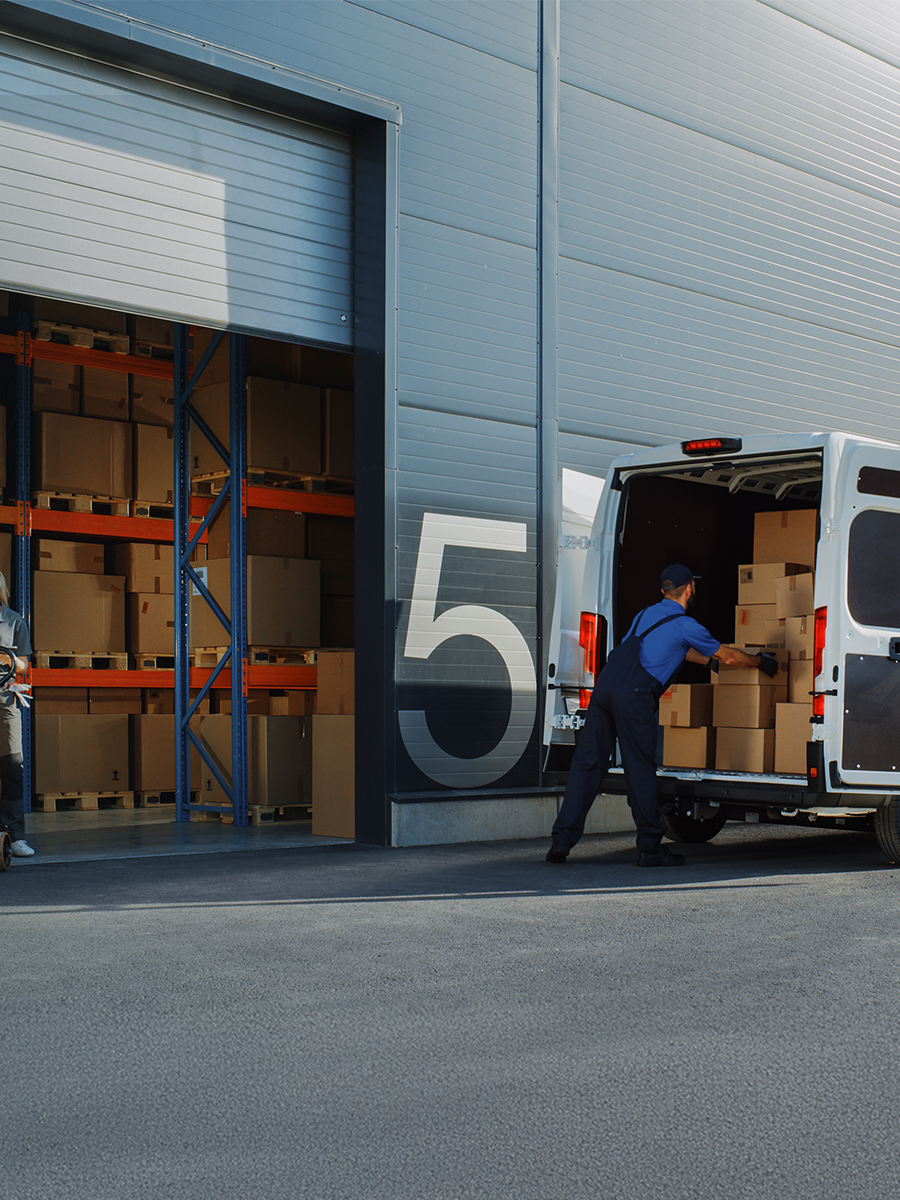


The economics of running a warehouse changed faster than most logistics businesses adjusted to. Labour now accounts for 50 to 70% of warehouse operating costs, and real wages climbed 15 to 20% in 2024 alone. Rents surged 20% in key markets. Turnover sits at 36%, and 76% of supply chain operations report substantial labour shortages. Meanwhile, e-commerce volumes keep growing at 15 to 20% annually, with seasonal spikes that can surge 500% above baseline.
This is the pressure that's driving a $30 billion warehouse automation market in 2026. But the technology story isn't about replacing people with machines. It's about redesigning how a warehouse operates so that every square metre, every hour, and every pair of hands produces more value than it does today.
The Warehouse Floor Looks Different Now
The gap between what's possible and what most warehouses are actually running is enormous. Only 25% of warehouses have implemented any form of automation. Only 10% use what would be classified as advanced automation. That means the vast majority of logistics operations are still running warehouse processes that haven't fundamentally changed in a decade, in an economic environment that has.
The technology that exists now isn't experimental. It's proven, commercially deployed, and delivering measurable returns across thousands of facilities globally. 4.7 million warehouse robots are installed across 50,000+ warehouses worldwide. Automated picking systems improve order fulfilment speeds by up to 300% and achieve 99% accuracy rates. The question is no longer whether the technology works. It's whether your operation can afford to keep running without it.
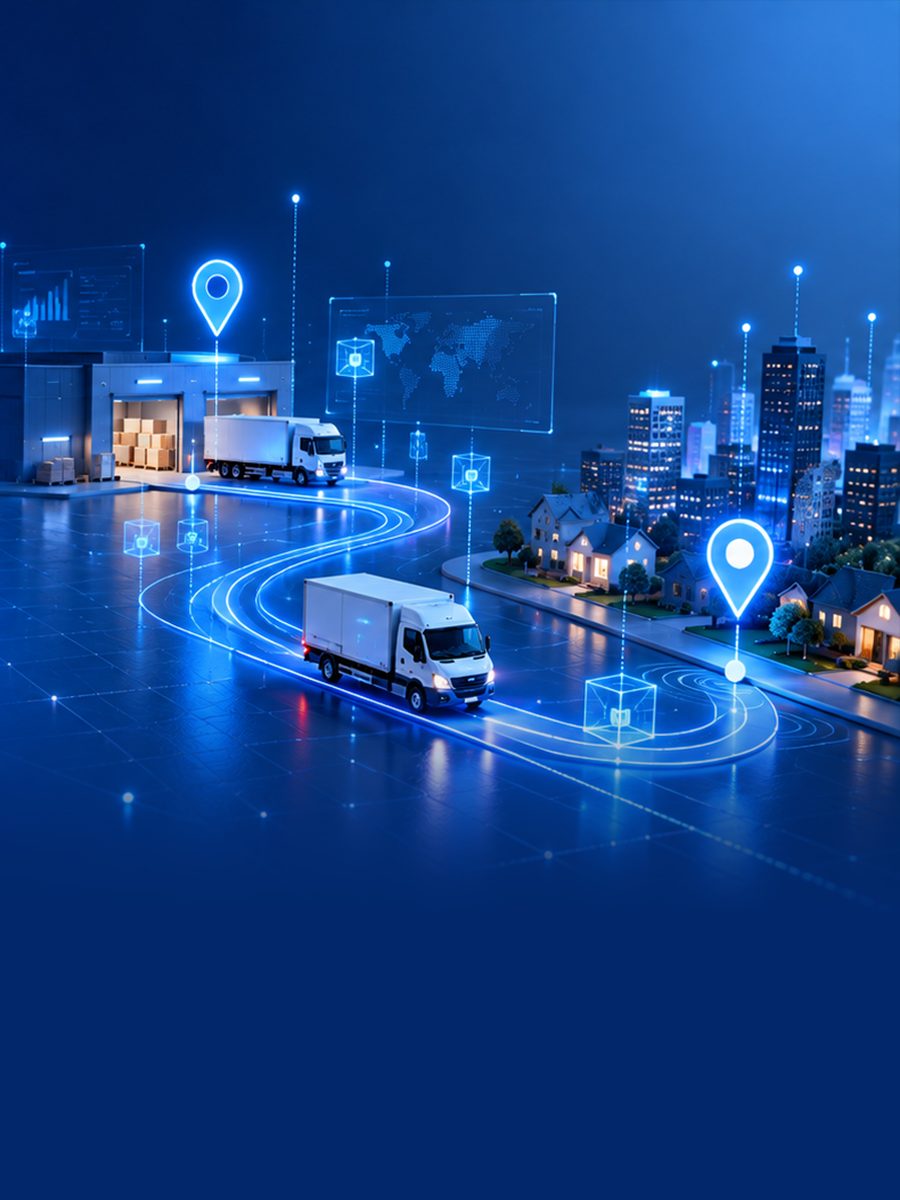
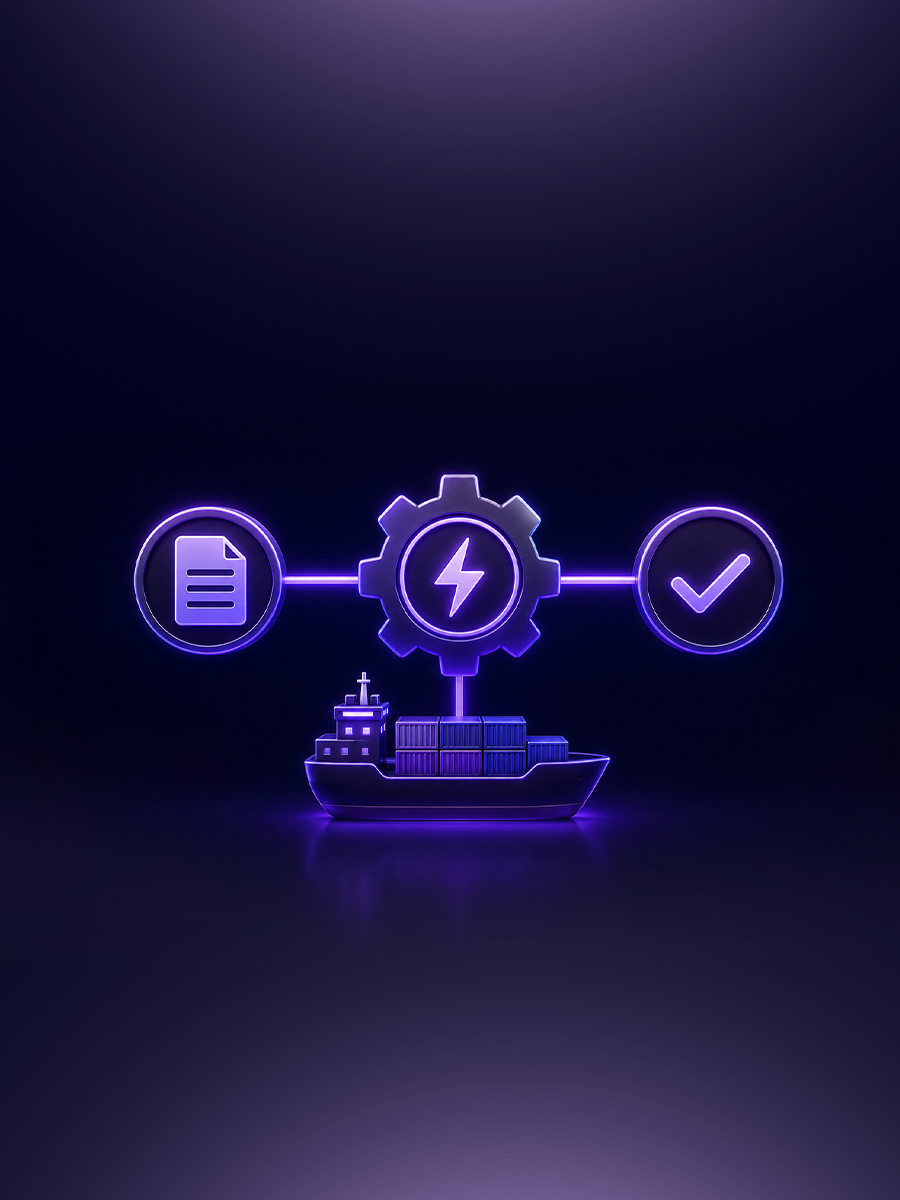
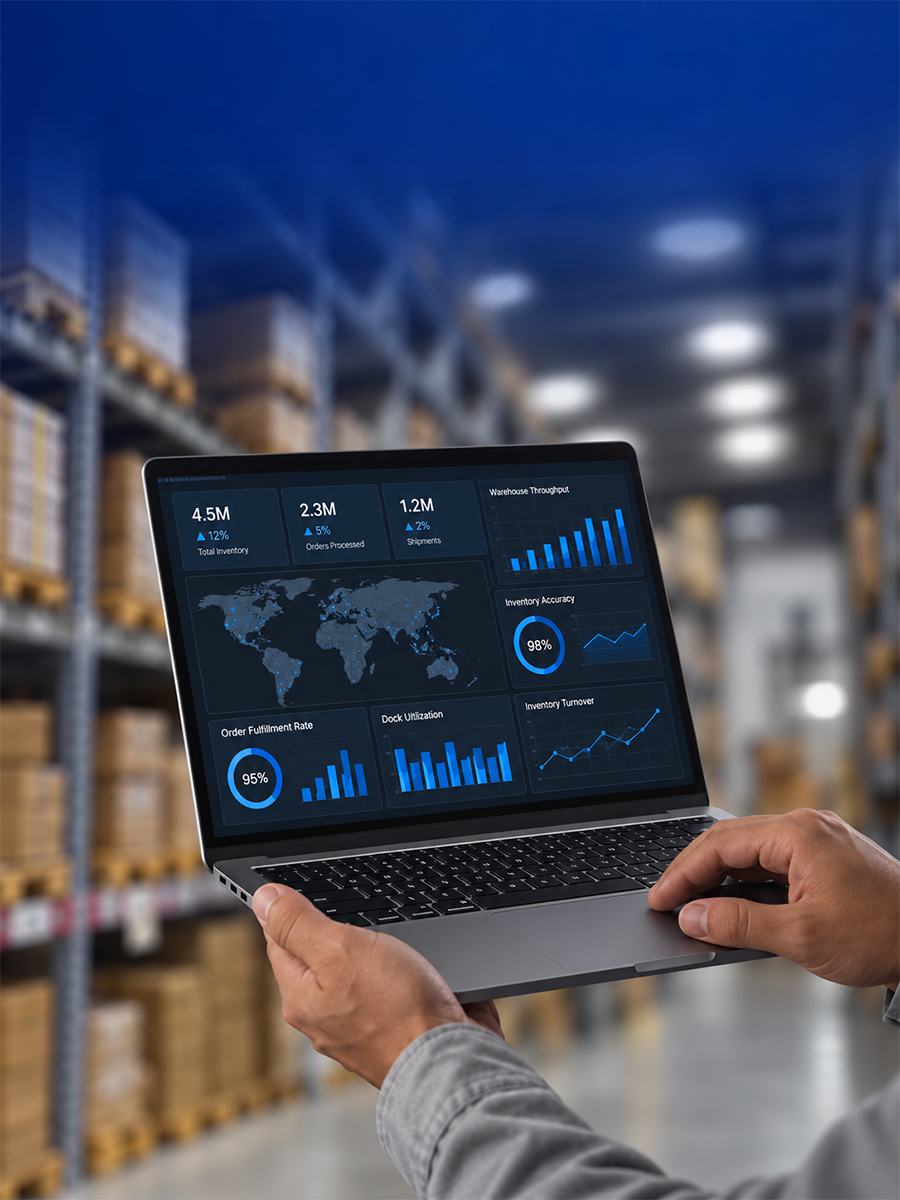
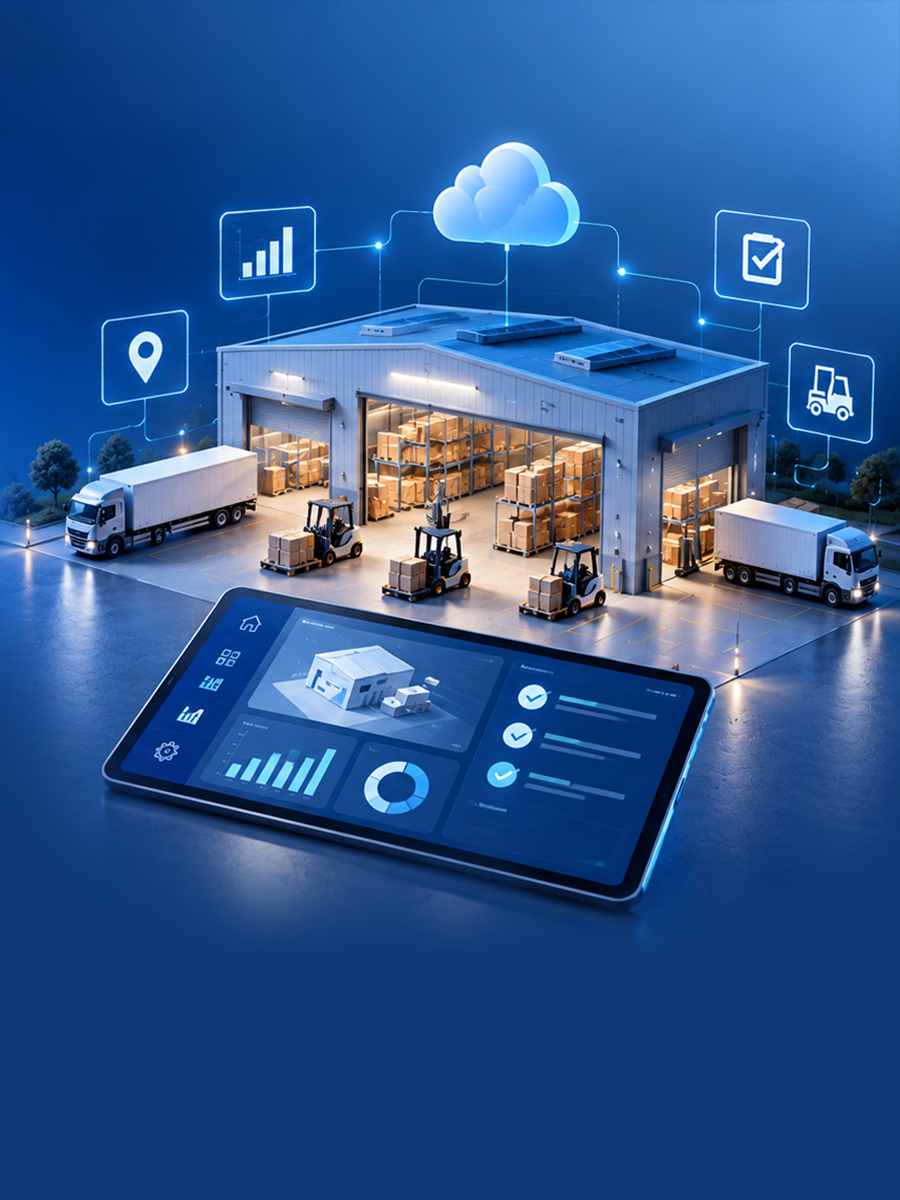
What's changed most significantly in the last two years is how the technology layers together. Individual point solutions, a barcode scanner here, a conveyor there, have given way to integrated systems where warehouse management software, robotics, computer vision, and AI operate as a coordinated whole. The warehouse that runs well in 2026 isn't the one with the most technology. It's the one where the technology is connected.
Where the Productivity Actually Comes From
The returns on warehouse automation are specific and measurable, but they come from different places depending on where you invest.
Robotics and autonomous mobile systems deliver the most visible transformation. AMRs handle goods movement, picking assistance, and inventory transport with payback periods as short as 8 months and ROI exceeding 250%. The shift toward Robotics-as-a-Service means 72% of logistics firms are now adopting usage-based contracts instead of capital expenditure, making advanced robotics accessible to operations that couldn't justify the upfront investment. A 30% increase in operational efficiency within the first year is the documented benchmark, with labour cost reductions of 25 to 30%.
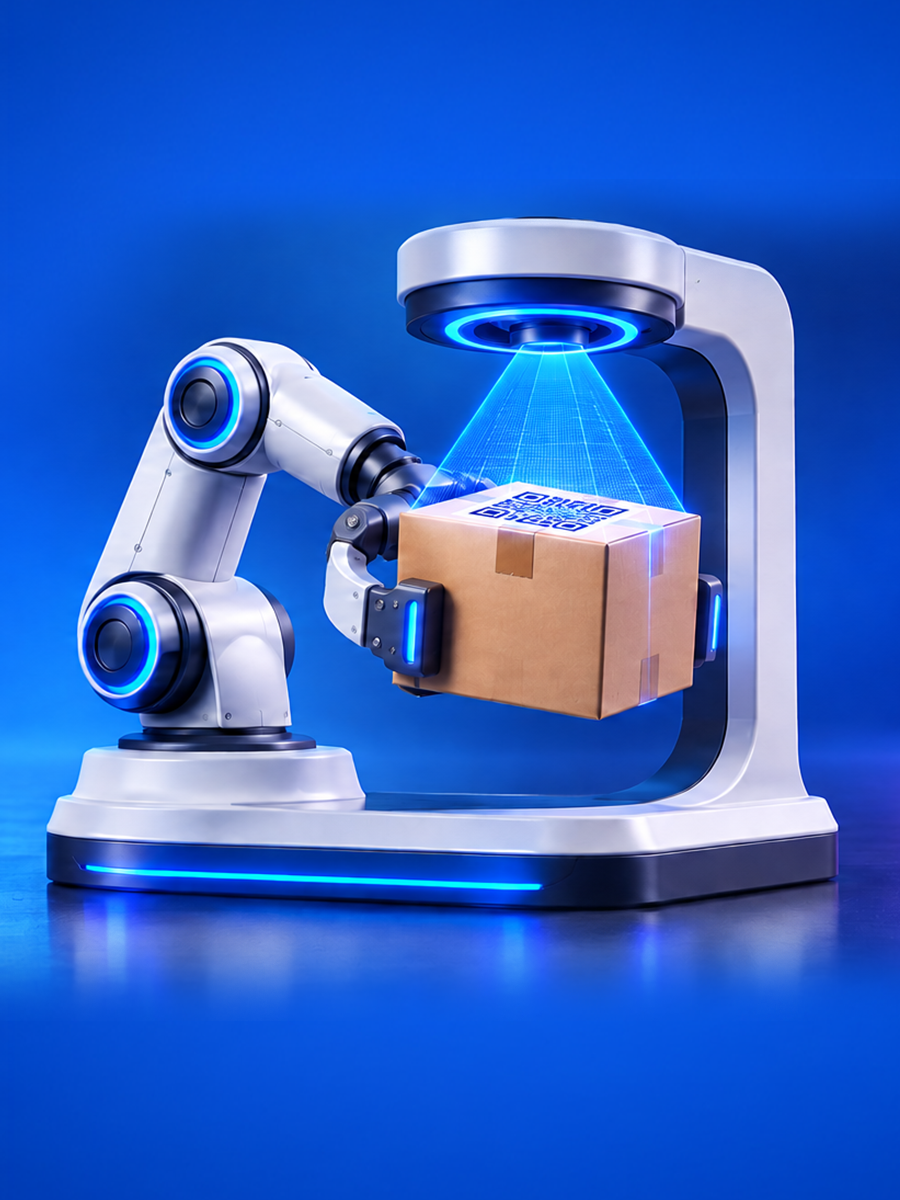
Computer vision and zero-touch quality control are where accuracy improvements compound. Camera systems combined with deep learning now identify items automatically during goods movement, eliminating manual scanning at goods-in, returns, and quality checkpoints. The cost of a mispick is roughly $100. In a high-volume operation, that adds up to tens of thousands annually in errors alone, before you account for the customer impact.
AI-driven orchestration is the layer that ties it together. AI in the warehouse has moved from passive analytics to active decision-making: prioritising tasks across zones, balancing workloads across shifts, managing exceptions, and coordinating autonomous systems through swarm intelligence so that multiple robotic platforms work as a fleet rather than individual units. This is the capability that turns a collection of automated tools into an integrated operation.
Digital twins allow you to test before you invest. Dynamic simulations of your warehouse layout, workflow, and capacity let you model peak period scenarios, layout changes, and automation configurations without physical disruption. Operations using digital twins are reporting 30% efficiency gains and 50% reductions in downtime.
None of It Works Without the Data Foundation
This is the part that gets skipped in most warehouse technology conversations, and it's the part that determines whether the investment delivers or disappoints.
Every AI application, every predictive model, every autonomous system depends on consistent, accurate master and transaction data flowing through an integrated warehouse management system. Computer vision needs clean SKU data to match against. Predictive analytics needs reliable inventory and order data to model from. Autonomous systems need real-time location and task data to coordinate around.
A warehouse running on spreadsheets, disconnected systems, or a WMS that isn't integrated with the broader logistics platform will hit a ceiling with any automation investment. The robots work. The AI works. But they work on bad data, which means they produce fast, confident, wrong results.
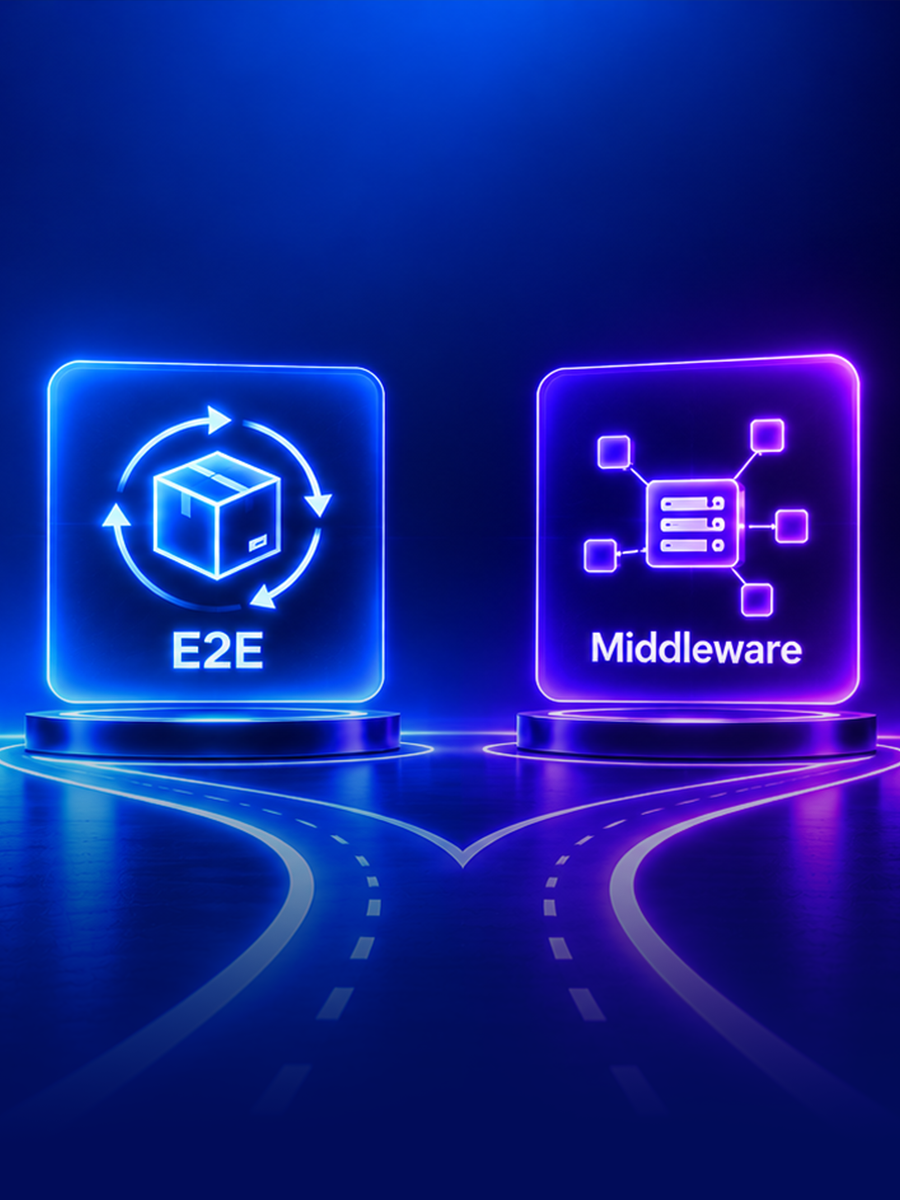
This is where the architecture of your logistics platform matters. A warehouse module that sits inside the same system as your forwarding, customs, finance, and transport operations shares a single data environment. Inventory data, shipment data, order data, and billing data all reference the same records. There's no translation layer, no synchronisation delay, no version conflict between what the warehouse sees and what the rest of the business sees.
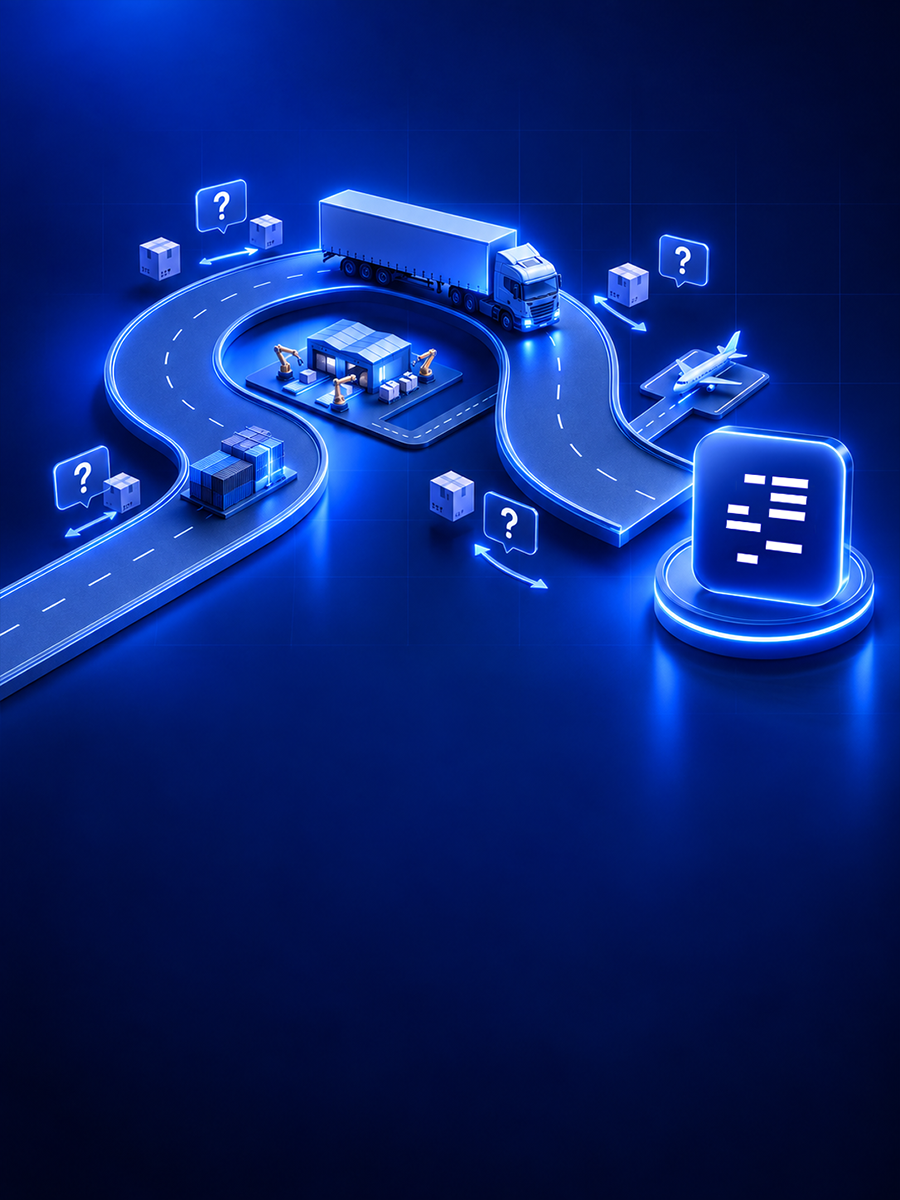
A warehouse module bolted onto a separate system through an integration creates exactly the data gaps that undermine automation. The WMS says one thing. The forwarding platform says another. The finance system says a third. And the AI sitting on top of all of it tries to make sense of three different versions of reality.
How to Think About the Investment
The scale of warehouse automation investment has shifted dramatically. Companies are moving from sub-$1 million projects to $5 to $50 million programmes. But the entry point doesn't have to be transformational. It has to be strategic.
Start with the WMS. If your warehouse management system isn't integrated with your logistics platform, no amount of robotics or AI will deliver its full return. 90% of warehouses are expected to adopt modern WMS by 2027. If yours isn't there yet, this is the foundation everything else builds on.
Automate the highest-cost, highest-error processes first. Picking, sorting, and goods-in are where labour cost and error rates concentrate. Automated picking alone reduces fulfilment errors by up to 70% and accelerates throughput by up to 300%. The ROI is fastest here.
Use Robotics-as-a-Service to manage capital risk. RaaS contracts let you deploy AMRs on an operational expenditure basis, scale up during peak periods, and redeploy as your operation evolves. The payback is months, not years, and the commitment is flexible.
Layer intelligence once the data is clean. Predictive analytics, demand forecasting, dynamic slotting, and AI-driven task orchestration deliver their value only when the underlying data is trustworthy. Sequence matters. Data first, then intelligence.
The Warehouse Became a Competitive Asset
For freight forwarders, warehouse operations used to be a cost centre. Something you ran efficiently enough that it didn't erode the margin on the forwarding and customs work. That framing is outdated.
In a market where customers expect real-time visibility, same-day processing, and error rates approaching zero, the warehouse is where service promises are either kept or broken. The forwarder whose warehouse operation runs on an integrated platform with modern automation delivers a fundamentally different customer experience from the one still relying on manual processes and disconnected systems. The customer sees it in the accuracy of their inventory. In the speed of their fulfilment. In the reliability of their documentation. And increasingly, that's where they make their decision about which forwarder to stay with.
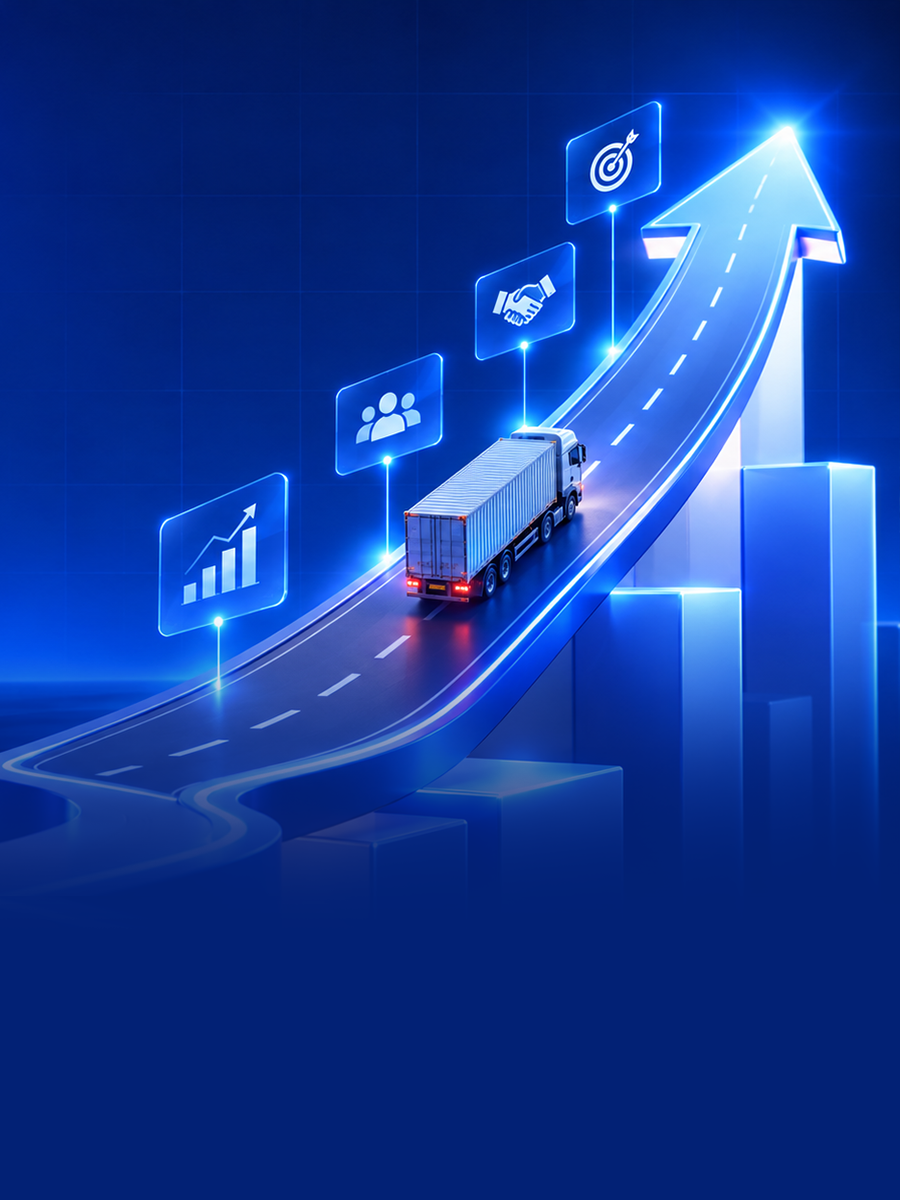
The technology exists. The economics justify it. The competitive gap is widening. The only variable is whether your warehouse operation is built for the demands your customers already have, or the ones you're still hoping they won't notice you can't meet.
.png)
.png)

.png)

.png)





.png)
.png)






.png)
.png)

.png)



.png)







.png)



.png)












.png)











.png)





.png)
.png)