

The industry has spent five years learning and forgetting the same lesson. The lesson is this: congestion does not happen to supply chains. It reveals them.
There is a pattern in global logistics that repeats with striking regularity. A disruption occurs. Port throughput degrades. Transit times extend. Costs surge. Operations teams scramble. Clients lose confidence. The industry responds with urgency: new visibility investments, revised routing strategies, diversified carrier relationships, lessons-learned workshops.
Then the disruption eases. Throughput normalises. And within eighteen months, the urgency fades. The visibility investment stalls. The diversified routing simplifies back to lowest-cost defaults. The lessons learned become lessons archived.
McKinsey's 2025 survey of 100 global supply chain leaders confirmed what many in the industry already suspected: as memory of the pandemic-era congestion faded, so did supply chain risk capabilities. The majority of companies still understand their vulnerabilities only up to tier one. Visibility over a five-year horizon received the weakest maturity scores in the entire survey. The "set and forget" era of supply chain networks, as McKinsey described it, has passed in theory. In practice, it persists in the operating assumptions of a significant portion of the industry.
This is the resilience gap. The distance between what the industry knows it should do and what it actually sustains when the immediate pressure lifts.
The Design Problem Behind the Infrastructure Problem
Port congestion is widely discussed as an infrastructure challenge. Berth capacity, crane throughput, yard density, gate processing times. These are real physical constraints, and they are not going away. Global trade volumes continue to grow. Port infrastructure evolves slowly. The gap between demand and capacity at major gateways tightens during every peak cycle and during every disruption.
But the freight forwarders and shippers who experience the least operational damage from congestion are not the ones operating at ports with the most capacity. They are the ones whose supply chain design gives them options when capacity tightens.
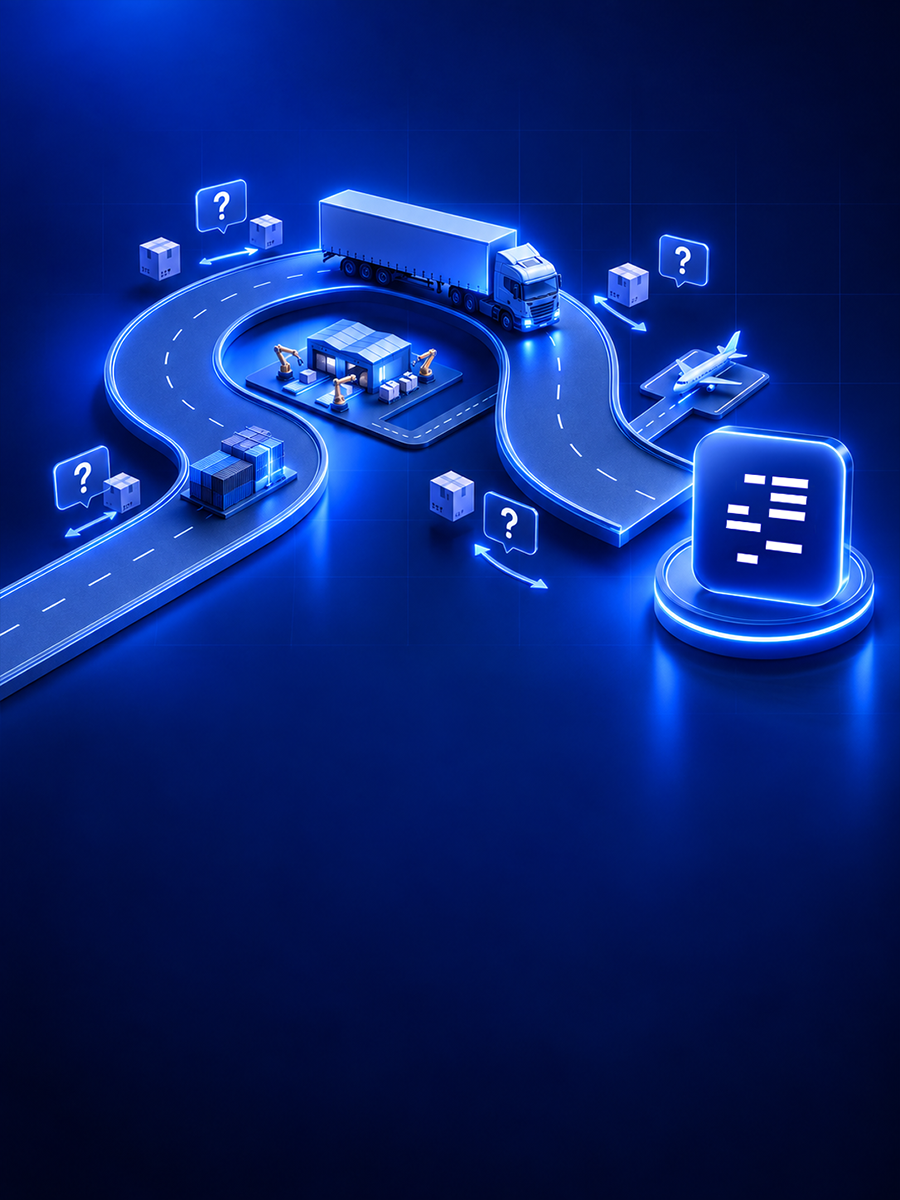
This distinction matters. A supply chain that depends on a single port pair, a single routing, and a single carrier service on each trade lane is a supply chain that has optimised for efficiency under normal conditions and created maximum exposure to disruption under abnormal ones. When congestion hits that port, that routing, or that carrier, the operation has no fallback that does not involve cost, delay, and client impact.
A supply chain that maintains optionality, alternative port pairs, secondary routings, carrier diversity across services, buffer inventory positioned to absorb transit variability, is a supply chain that treats congestion as a variable to be managed rather than an event to be survived.
The difference between these two designs is not cost. It is architecture. And the cost of the second design, the resilient one, is almost always lower than the cost of the first design failing during a congestion event. Demurrage, detention, emergency re-routing, expedited inland transport, client penalties, and the reputational damage that no invoice captures.
Accenture's research on supply chain resilience quantified this dynamic: companies are investing an average of $2.5 billion in 2026 to digitise, automate, and reconfigure supply and production networks. But the report also found that digital maturity is the critical multiplier. Organisations that combined network diversification with advanced digital capabilities, visibility, simulation, predictive analytics, unlocked materially greater resilience than those that diversified without the digital foundation to manage the added complexity.
Diversification without visibility creates a different kind of fragility: more options, but less ability to choose between them intelligently in real time.
What Resilient Operators Do Differently
The freight forwarders who manage congestion with the least disruption, the lowest cost, and the strongest client confidence share a set of operational disciplines that are worth examining closely. None of them are exotic. All of them require sustained investment and organisational commitment, which is precisely why they are rare.
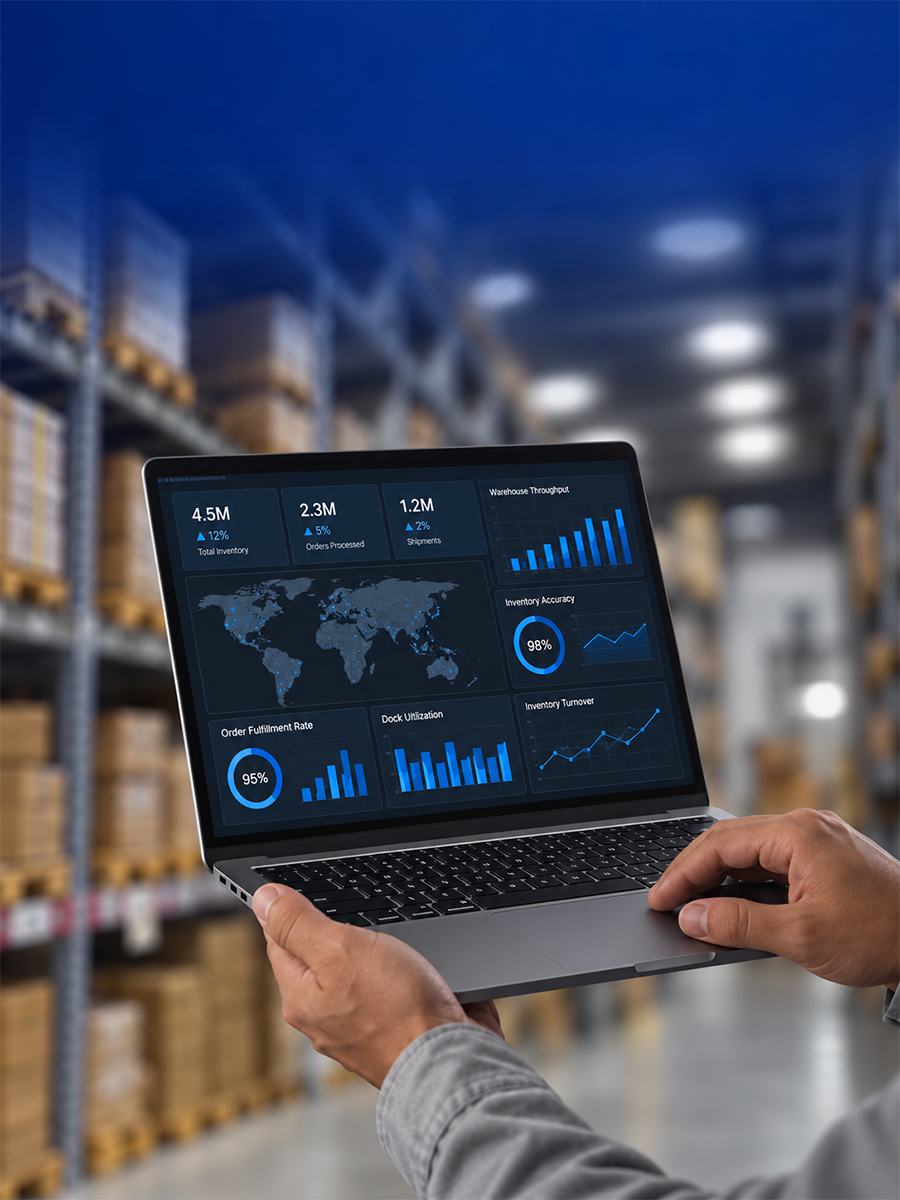
They invest in visibility that connects to action. Visibility in isolation is a dashboard. Visibility connected to operational workflows is a capability. The distinction is whether a congestion alert in the system triggers a defined response: revised milestone communication to the client, adjusted inland transport booking, updated warehouse receiving schedule, flagged exception for the operations team with context and recommended action. Most freight forwarders have some form of visibility. Far fewer have connected that visibility to automated workflows that reduce the response time from hours to minutes.
They design for the failure case, not just the success case. When a freight forwarder builds a routing, the default instinct is to optimise for transit time and cost under normal conditions. The resilient operators add a second question: what happens to this routing when conditions degrade? What is the fallback port? What is the alternative carrier service? How quickly can we pivot, and does our integration architecture support that pivot without manual rework across five systems?
They use historical performance data to set expectations. Schedule reliability varies enormously by carrier, service, and port pair. The forwarders who consume this data systematically, not as a one-off analysis but as an input to their quoting, their client commitments, and their operational planning, are the ones whose promises hold up during congestion. They commit to delivery windows based on actual reliability data for that specific lane, not on the carrier's published schedule. Their clients experience fewer surprises, which over time is the most powerful retention and growth lever in freight forwarding.
They treat congestion management as an ongoing capability, not a crisis response. Scenario planning. Stress testing key trade lanes against congestion assumptions. Quarterly reviews of port performance and carrier reliability. Continuous refinement of routing alternatives and fallback plans. This is the discipline that McKinsey's survey found fading as disruption memory recedes. The operators who sustain it, who treat resilience as a permanent operational practice rather than a crisis-era initiative, are the ones who move fastest and most confidently when the next congestion event arrives.
Closing the Gap
The resilience gap is not a knowledge gap. Every freight forwarder who lived through the last five years of disruption knows what good looks like. The gap is between knowing and sustaining.
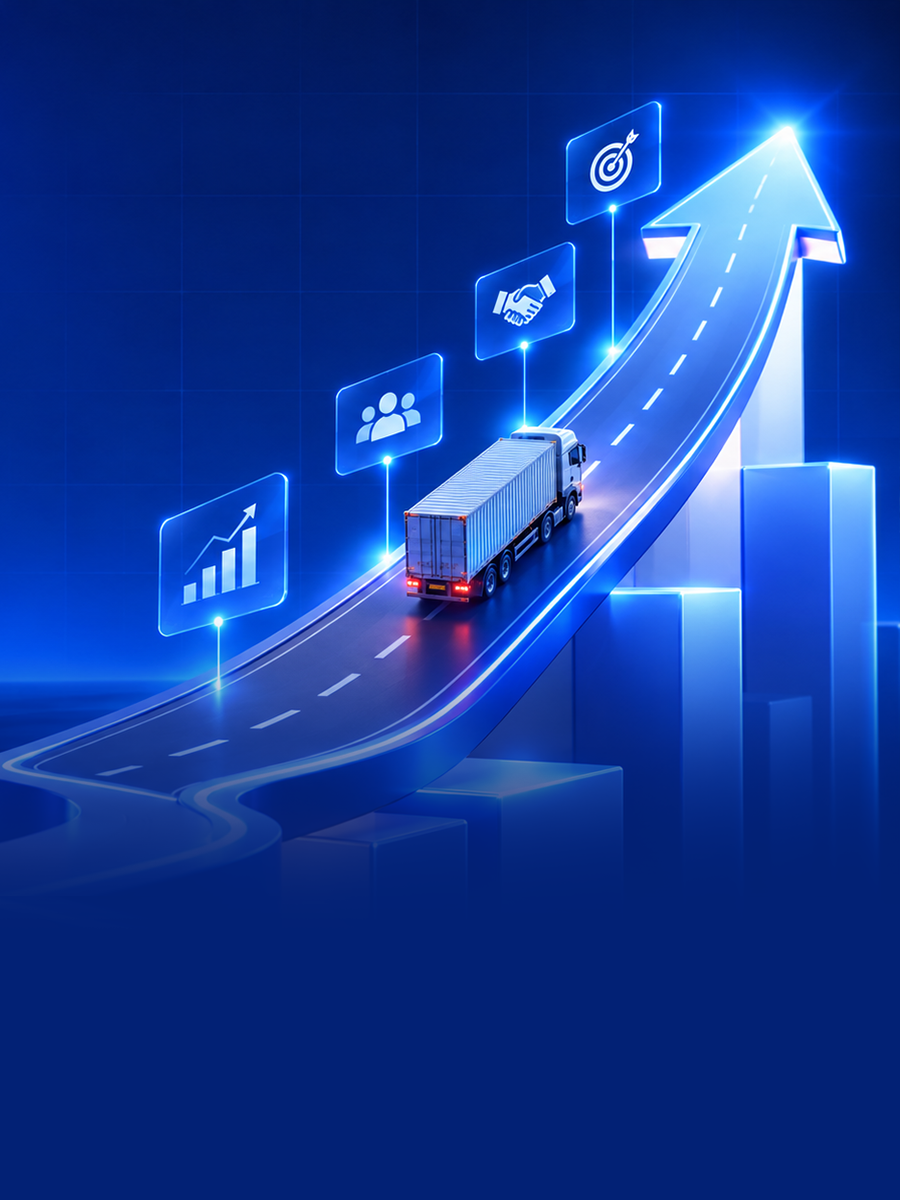
Sustaining resilience requires three commitments that are easy to articulate and difficult to maintain. First, continued investment in visibility architecture and data integration during periods when the operation is running smoothly, when the urgency feels lowest and the budget pressure feels highest. Second, organisational discipline around scenario planning and routing diversity, resisting the gravitational pull back toward lowest-cost single-path optimisation. Third, a willingness to treat resilience as a strategic capability that requires ongoing attention and resources, not a project that starts when disruption hits and ends when it passes.
McKinsey's supply chain research framed the challenge precisely: structural reform may be the only way for leaders to restore the resilience that companies depend on from their supply chains. Short-term responses to congestion, more phone calls, more overtime, more expedited shipments, address the symptom. Structural investment in visibility, optionality, and data-driven planning addresses the cause.
Port congestion will continue. The specific trigger will change. The operational impact will depend, as it always has, on the architecture that was in place before the congestion arrived.
The freight forwarders who close the resilience gap now will not just manage the next disruption better. They will manage it so visibly better that their clients will notice the difference. And in an industry where client retention is won and lost on operational trust, that difference compounds into a durable competitive advantage that no amount of post-crisis scrambling can replicate.
.png)
.png)

.png)

.png)





.png)
.png)





.png)
.png)

.png)



.png)






.png)



.png)











.png)












.png)




.png)
.png)