

There are two versions of AI running inside logistics right now, and the difference between them is worth more than most businesses have calculated.
The first is the one everyone adopted. Document readers that extract data from a bill of lading. Dashboards that flag exceptions. Forecasting tools that suggest better inventory positions. Rate engines that surface historical trends. This is AI as a productivity layer — the operation runs the same way it always has, but certain tasks take less time. The team still reviews. The team still decides. The team still acts. AI just made some of their inputs faster.
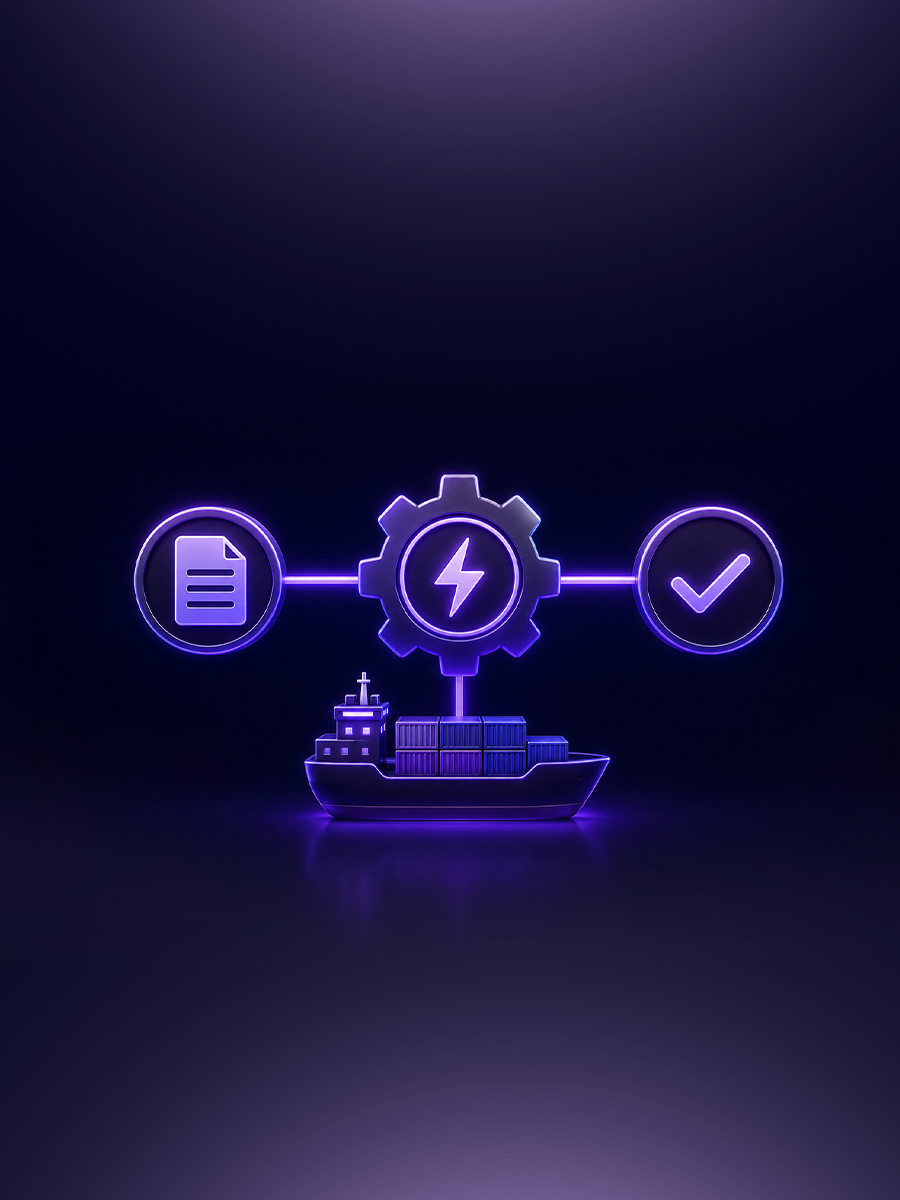
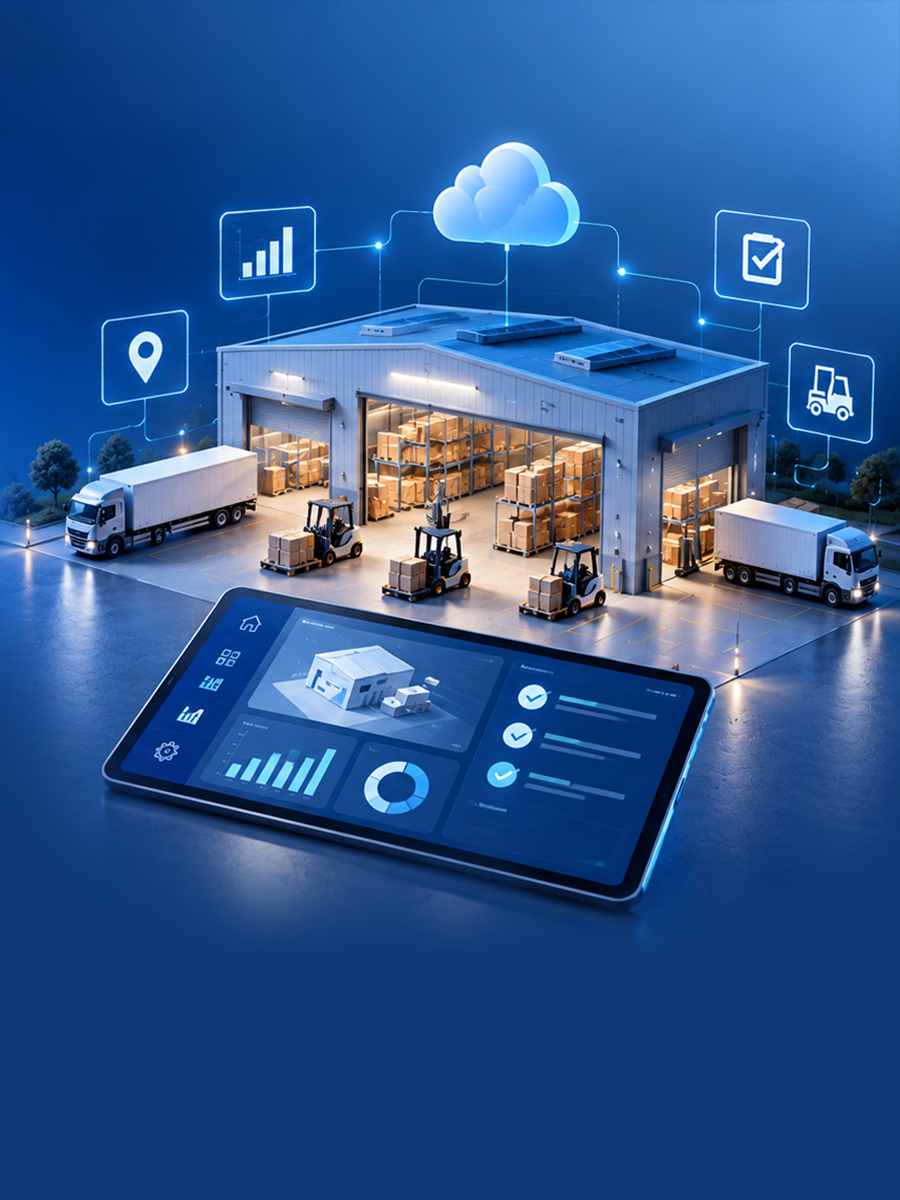
The second version looks nothing like this. In the second version, the system reads the incoming document, creates the job, classifies the commodity, runs compliance checks, assigns operational tasks, and progresses the shipment through its lifecycle. The operator opens the record and it is already moving. Exceptions are flagged. Routine steps are completed. The workflow is not waiting for a person — it engaged one only where a person is actually needed.
The first version makes your operation more efficient. The second version changes its economics entirely.
The Operating Model Nobody Talks About
Here is what is actually happening inside the logistics businesses capturing disproportionate returns from AI, and it is not what most industry commentary describes.
These businesses stopped treating AI as a tool their teams use and started treating it as a layer their operation runs on. The distinction sounds subtle. Commercially, it is enormous.
When AI is a tool, you still staff for the process. Every shipment still needs a person to progress it. Every document still needs a person to review it. The AI made them faster, but the cost structure is the same — you are still paying for the human throughput that moves freight from booking to delivery. AI shaved minutes. It did not change the model.
When AI is an operating layer, the cost structure shifts. Routine shipments progress with minimal human involvement. Document processing becomes an exception-handling function rather than a data-entry function. Compliance checks run inside the workflow, not alongside it. The operation does not need fewer people doing the same work. It needs different people doing different work — and fewer of them for the volume being processed.
This is where the competitive edge is forming. The businesses that made this shift are not just faster. They are structurally cheaper to operate per shipment, per container, per declaration. And that cost advantage compounds with every increase in volume, because the AI layer scales and the headcount does not.
What This Looks Like in Practice
The shift from productivity tool to operating layer is not theoretical. It is happening in specific, measurable ways across logistics operations that figured it out early:
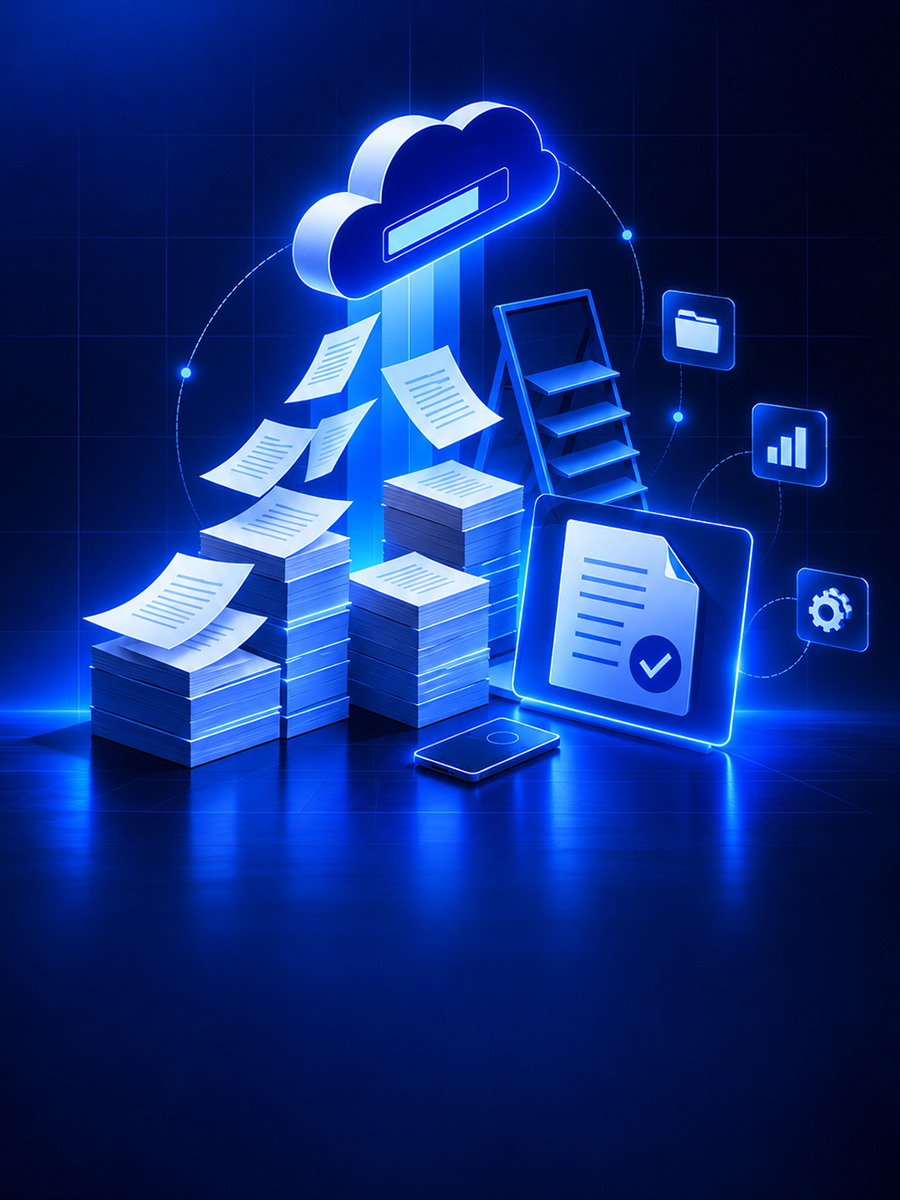
- Document processing became job creation. Instead of an operator reading an arrival notice and manually building the job, the system reads the document, creates the record, populates the fields, and presents a structured job for review. The operator's role shifted from data entry to quality assurance. Processing time dropped. Accuracy went up. The team handles more volume with the same headcount — not because they work faster, but because the work itself changed.
- Compliance moved inside the workflow. Restricted party screening, controlled goods checks, and tariff classification are no longer research tasks performed alongside the process. They run inside it, triggered automatically at the right point in the shipment lifecycle, with audit trails that satisfy regulatory requirements. The compliance function did not disappear. It stopped being a bottleneck.
- Exception management replaced task management. Instead of operators managing a queue of shipments — every shipment requiring attention regardless of complexity — the system surfaces only what requires a human decision. Routine freight moves through the operation without manual intervention. The team's attention goes where it creates the most value, because the system handles everything else.
- Customer visibility became automated. Tracking updates, document access, and milestone notifications that used to require phone calls, emails, and portal logins are now delivered directly to the customer by the system. The operations team is not producing this visibility. The platform is. Customer service scales with volume because no additional labour is required to provide it.
None of these shifts required exotic technology. They required an operation that was configured to allow AI to act, not just inform.
The Question That Separates the Leaders
Every logistics business has access to the same AI capabilities. The tools are embedded in the platforms most of the industry already runs. The commercial models include them. The features are live.
So why are the returns so unevenly distributed?
Because the returns do not come from having AI. They come from how much of the operation AI is allowed to run. And that is determined by how the environment underneath it was built.
A workflow engine can only automate what has been configured. If the workflow was set up at go-live to the minimum depth that got the team operational, the AI automates minimum-depth processes and produces minimum-depth results. A document ingestion engine can only feed data into structures that exist. If the job lifecycle — milestones, task logic, exception rules — was never built beyond the basics, the AI produces speed on top of a shallow foundation.
The businesses capturing the full value of AI invested in the depth of their operational environment. Not in more tools. In better configuration, cleaner data, stronger process logic, and integration architecture that connects what happens in one part of the operation to every other part that depends on it.
The edge is not which AI you bought. The edge is how much of your operation is ready to let AI run it.
What Readiness Comes Down To
Operational readiness for AI is not a technology project. It is a design question about how the business runs:
- Is the data consistent? Not just present — governed. The same commodity described the same way in every branch, every country, every operator's record. AI trained on inconsistent data learns inconsistency and scales it.
- Do the workflows enforce discipline or just document it? There is a difference between a workflow that exists in the system and a workflow that the system enforces. AI needs the second.
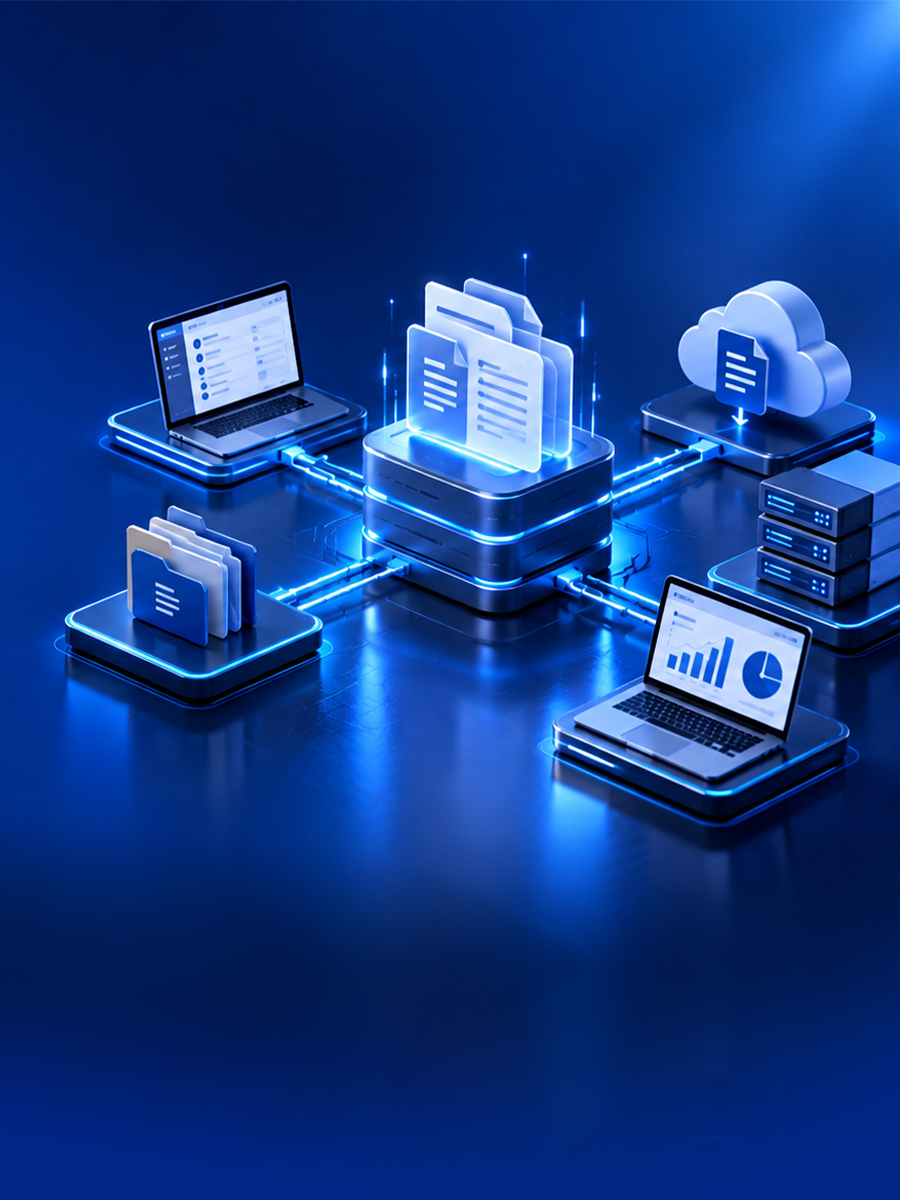
- Does the integration architecture move information or require people to move it? Batch exports, manual uploads, and email-based data transfer are not integration. They are the gaps AI cannot cross.
- Is the team structured for what comes next? An operation built for manual throughput needs different skills than an operation where AI handles routine processing and people manage exceptions, governance, and commercial decisions.
These are not new questions. They are the same questions that determined operational performance before AI existed. AI just raised the stakes on the answers, because the penalty for getting them wrong is no longer just inefficiency. It is a structural cost disadvantage against competitors who got them right.
The Businesses That Figured This Out First Will Be Hard to Catch
Organisations with mature, AI-ready operations are 23 percent more profitable than their peers. That gap is not static. It compounds. Every shipment processed with less manual intervention. Every exception handled by logic instead of labour. Every new volume absorbed without a proportional increase in headcount. The cost curve bends further with each quarter the operating model runs.
The window for making this shift is not theoretical. It is the next two to three years, while the economics of AI deployment are still accessible and the competitive landscape is still forming. The businesses that build the operational depth now will set the cost benchmarks the rest of the industry has to meet. The ones that treat AI as a productivity tool — faster spreadsheets, quicker data entry, better dashboards — will find themselves competing against operators whose cost-per-shipment is structurally lower, not because they found cheaper labour, but because they built an operation that needs less of it.
That is the real AI story in logistics. Not the technology. The operating model it makes possible, and whether your operation is built to run on it.
.png)
.png)

.png)

.png)





.png)
.png)





.png)
.png)

.png)



.png)







.png)



.png)











.png)









.png)



.png)
.png)