

If you're still framing your strategy around "post-COVID recovery," you're solving a problem that ended three years ago.
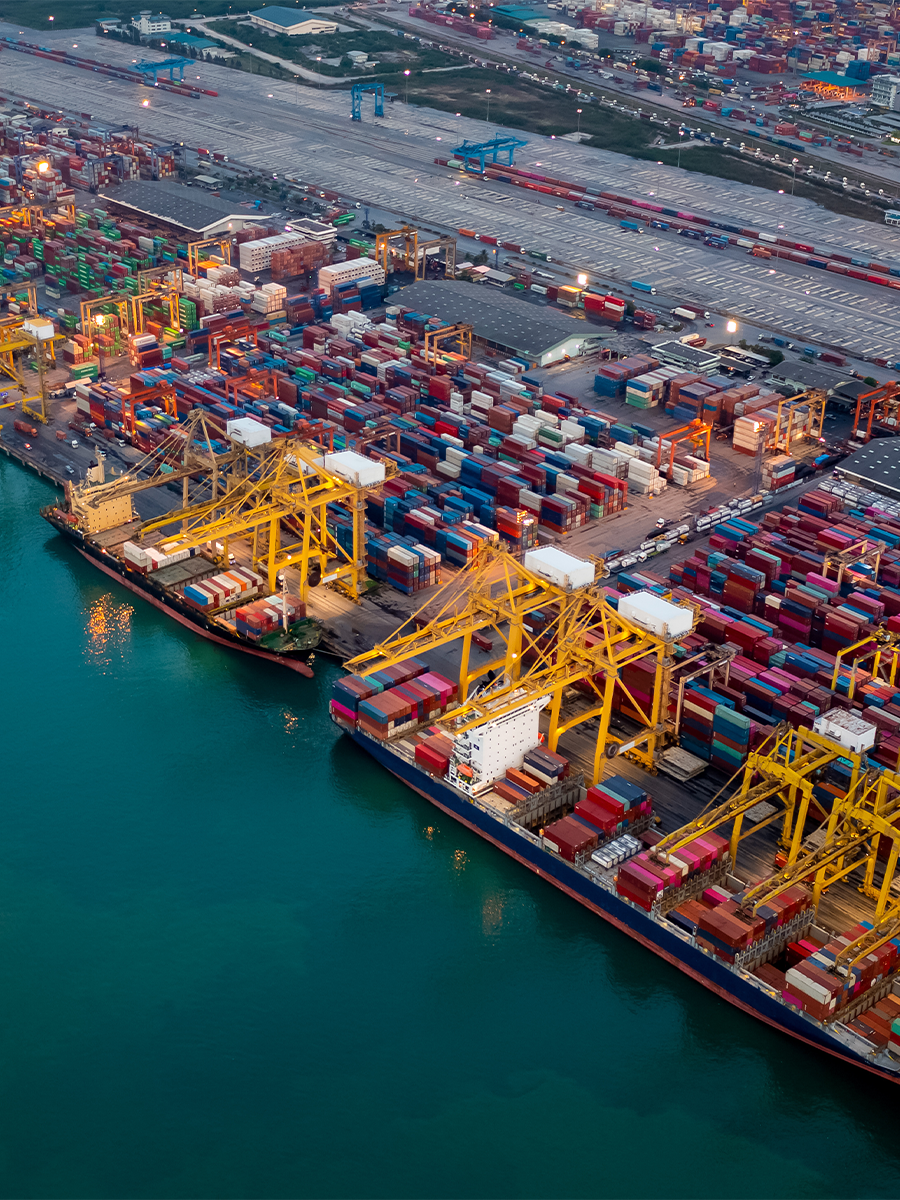
The freight forwarding industry didn't bounce back from 2020. It was permanently reshaped by it. And the reshaping didn't stop when the ports unclogged and the rates normalised. Tariff regimes, geopolitical realignment, trade corridor shifts, and a structural increase in supply chain disruptions picked up where the pandemic left off. Major disruptions now occur roughly every 3.7 years. Container arrival reliability sits at 60%, well below its historical norm. The operating environment that emerged after 2020 wasn't a phase. It became the baseline.
The question isn't what changed. It's what you need to build differently because of it.
Trade Routes Have Been Redrawn. Your Network Needs to Follow.
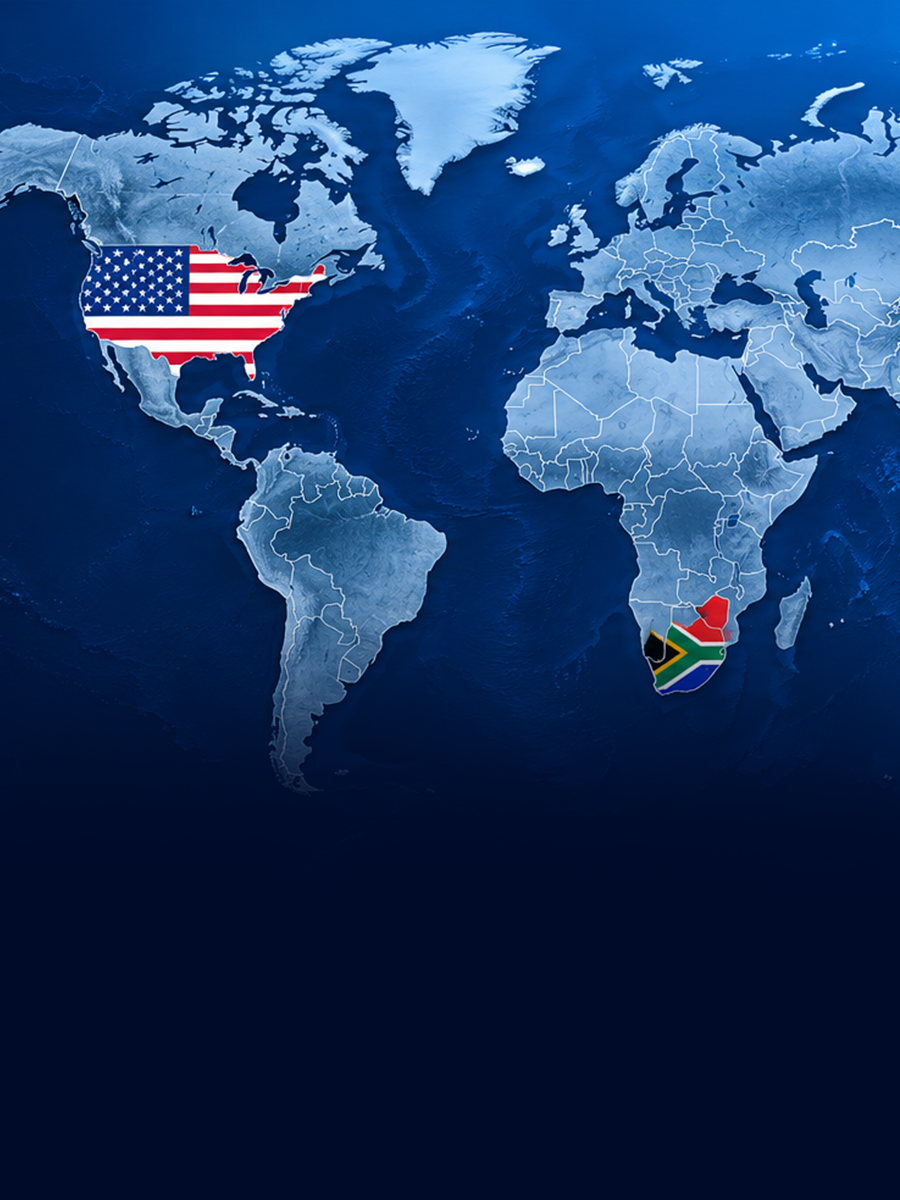
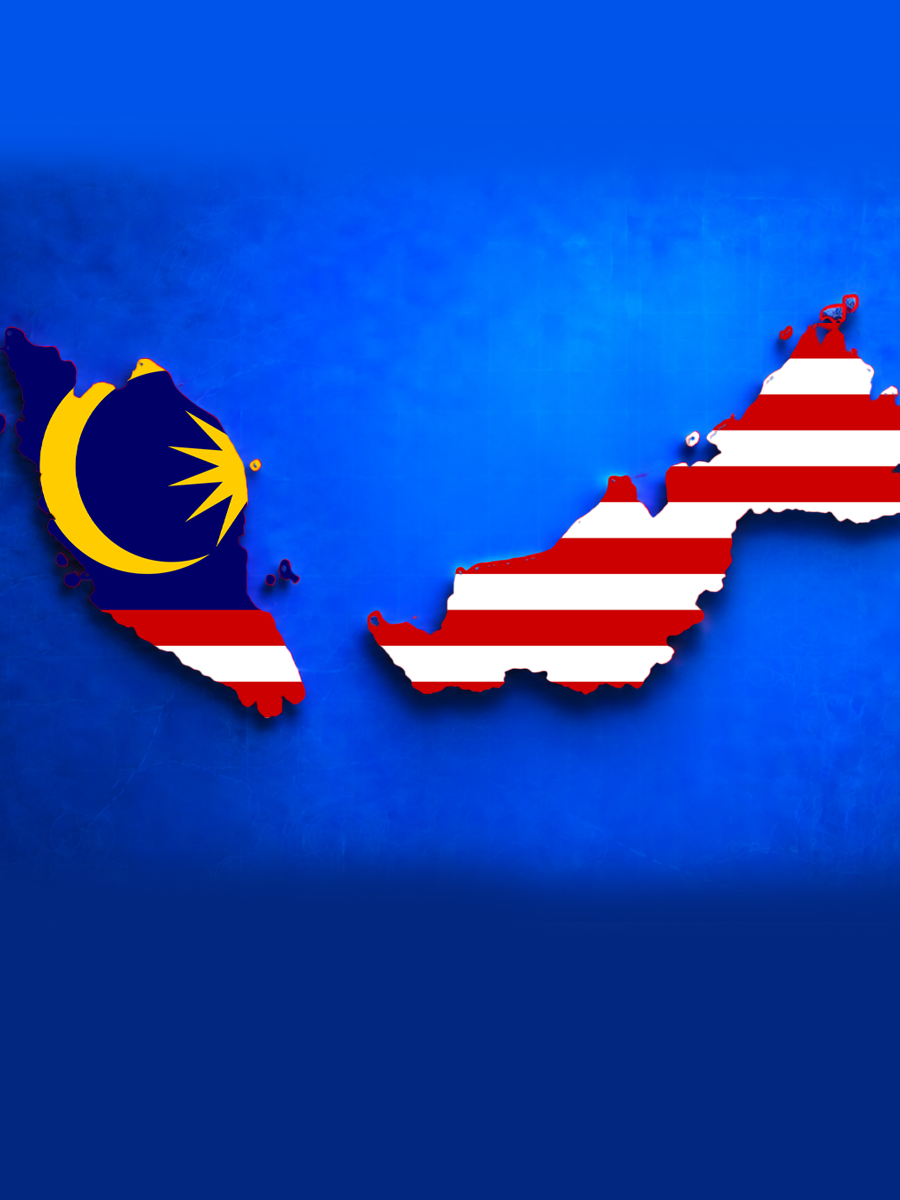
China-plus-one stopped being a conversation. It became logistics reality. Half of global companies have now implemented multi-shoring sourcing strategies, and the diversification is accelerating faster within Asia than most commentary suggests. Vietnam, India, South Korea absorbing manufacturing. Mexico capturing nearshoring volumes. Intra-Asia the fastest-growing trade corridor in global logistics.
Your customers' supply chains don't look the way they did when you won their accounts. If your network coverage still mirrors pre-2020 trade patterns, you're not positioned where the freight is moving.
What this demands from you:
- Audit your corridor coverage against where your customers are actually sourcing now, not where they were sourcing three years ago.
- Build or partner for customs capability in the jurisdictions they're diversifying into. The forwarder who can clear goods across 5 emerging markets is solving a problem most competitors can't touch, and that compliance capability is one of the hardest switching costs to replicate.
- Develop carrier relationships on the corridors that are growing before your competitors lock them in.
Your Customers Stopped Buying the Cheapest Route. Start Selling Resilience.
Before 2020, supply chain design was an efficiency exercise. Source cheaply, ship directly, carry minimal inventory. That model broke permanently. The businesses that rebuilt did so around flexibility, buffer, and redundancy as deliberate strategy, not temporary precaution. Average raw material delivery times remain 25% longer than pre-pandemic levels by design, not dysfunction.
What your customers are buying now is contingency. The ability to reroute when a corridor closes, clear customs through an alternative jurisdiction, and communicate the impact before they have to ask.
What this demands from you:
- Lead with your exception management capability when you sell, not just your rate. Show prospects what happens when the plan breaks. That's the moment they're evaluating you for.
- Build contingency routing into your standard service, not your crisis response. A primary route with documented fallback options is a product. A scramble when things go wrong is a liability.
- Price accordingly. Resilience is a premium service. Forwarders who position it as a value-add charge for it. Forwarders who treat it as expected absorb the cost and wonder why margins shrink.
Technology Is Now the Entry Fee. Invest at the Core, Not the Surface.
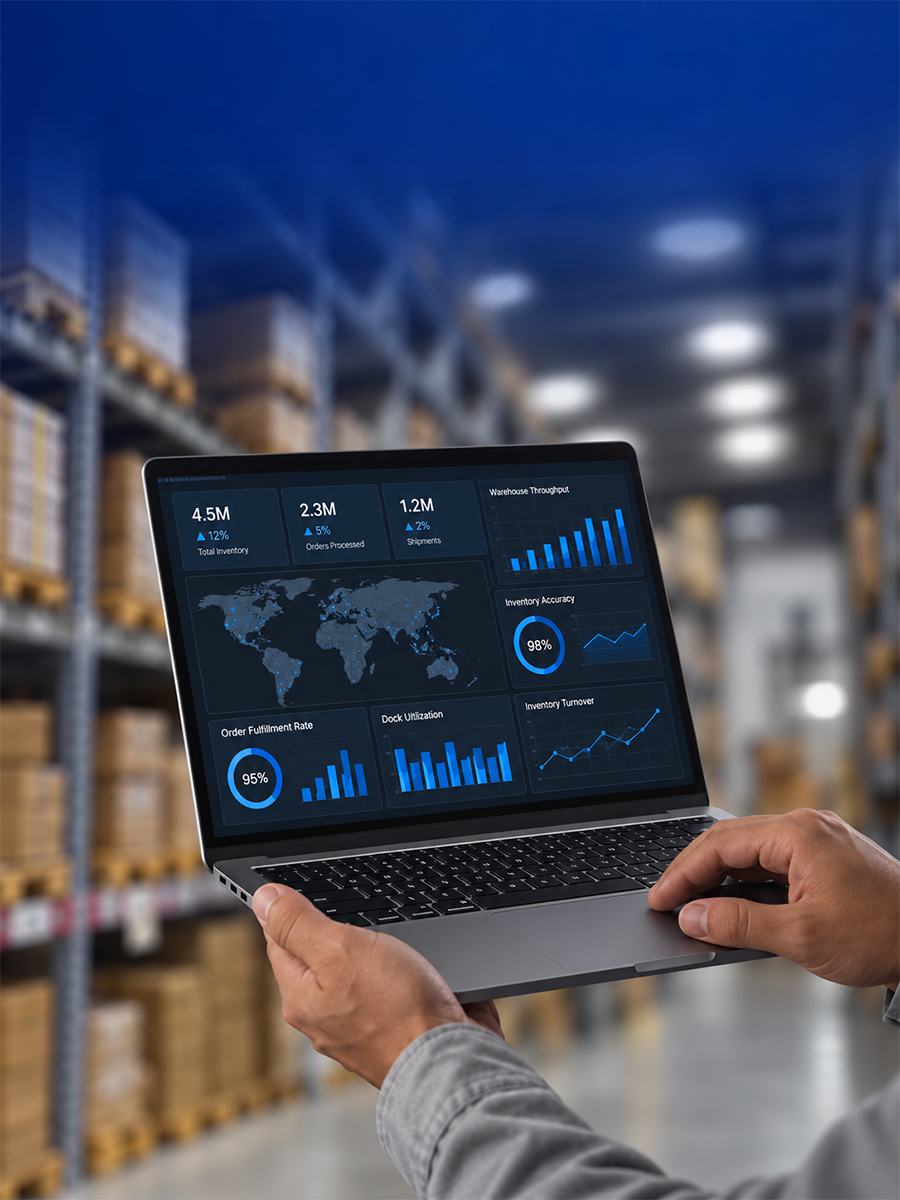
Five years ago, a freight forwarder with a good customer portal had a genuine competitive edge. That window closed. AI in supply chain management is growing at nearly 39% annually. Early adopters are reporting 15% reductions in logistics costs and 65% improvements in service efficiency. Yet only 6% of businesses have achieved full end-to-end supply chain visibility. That gap is both your risk and your opportunity.
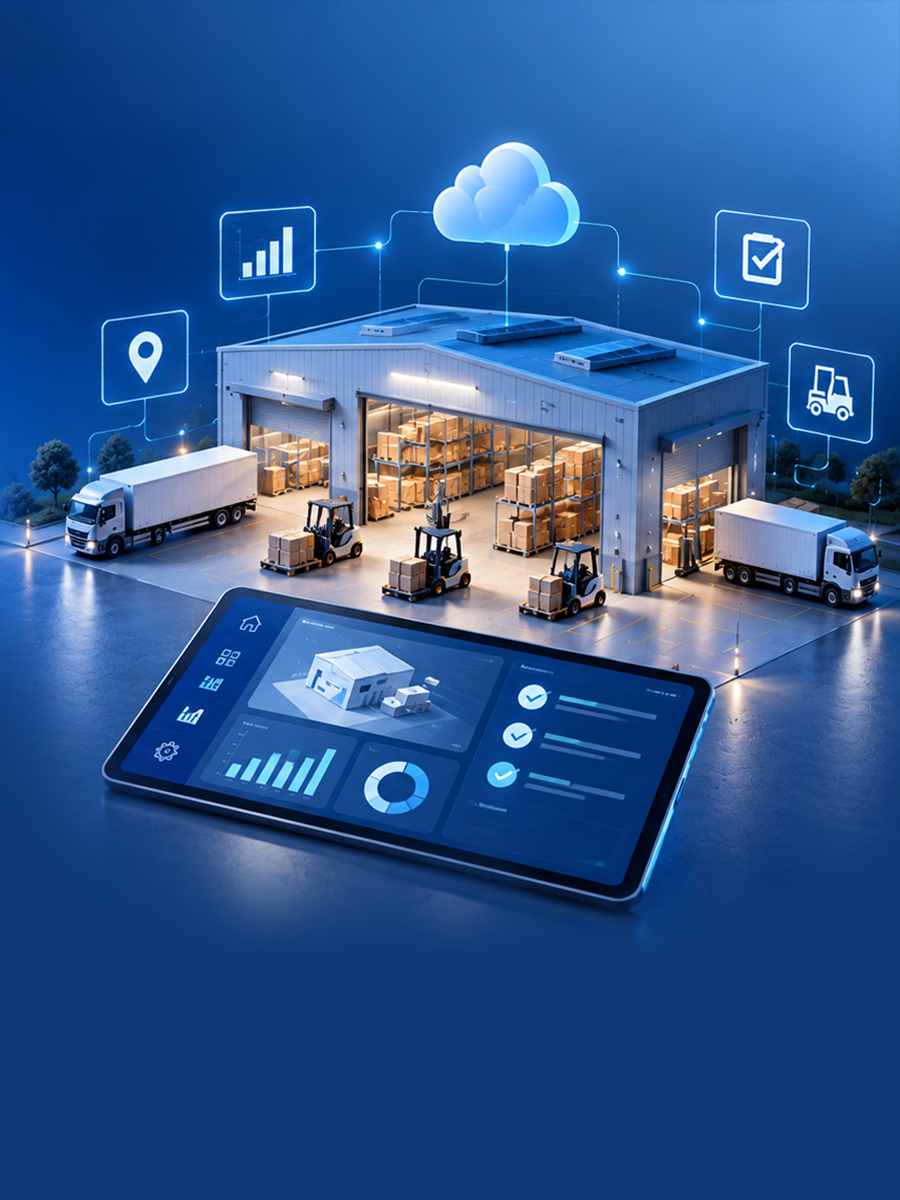
The technology itself isn't the differentiator. How deeply it's embedded in your operation is. The forwarders who bolted a tracking portal onto a manual operation are discovering the portal isn't enough. The ones who redesigned workflows around integrated systems are operating at a structurally lower cost base that compounds every quarter.
What this demands from you:
- Integrate before you automate. AI layered onto fragmented, duplicated data produces unreliable output. Clean, unified data is the prerequisite for every technology investment that follows.
- Automate the operational core. Document processing, compliance checks, exception alerts, invoicing. This is where cost and error reductions compound, not at the customer-facing surface alone.
- Use the data your operation generates commercially. Which lanes are profitable. Where exceptions cluster. Which customers are growing. This intelligence directly informs pricing, upselling, and retention decisions the moment the underlying data is trustworthy.
The Value Proposition Must Evolve With the Role
Transactional forwarding, take a booking, move a shipment, send an invoice, still exists. It's also where margins are thinnest and customer loyalty is weakest. US logistics costs dropped $200 billion year-on-year in 2026, driven partly by normalising rates and partly by buyers demanding more from fewer, better providers.
The shipment itself is no longer the entire value proposition. The intelligence, compliance capability, and proactive service around the shipment carry as much commercial weight as the cargo. The forwarders earning margin in this environment repositioned around four capabilities:
- Trade corridor advisory. Helping customers navigate sourcing shifts and routing alternatives as trade patterns move beneath them. Consultative value no rate sheet replicates.
- Multi-jurisdictional compliance. The customer diversifying across new countries needs a forwarder who handles customs in all of them. That's a switching cost that protects the account for years.
- Proactive exception management. Knowing what to do when the shipment can't move as planned and communicating the alternative before the customer chases it.
- Operational data as a service. Lane performance, cost trends, exception patterns. The forwarder who hands a customer a quarterly review built from their own shipment data is a strategic partner. The one who can only hand them an invoice is a vendor.
Build for the Industry That Exists Now
The forces reshaping freight forwarding aren't cyclical. Trade corridors will keep shifting. Tariff regimes will keep changing. Sustainability regulations will tighten. AI will move from enhancement to expectation. And the buyer will keep demanding more from fewer providers.
Waiting for stability is not a strategy. The forwarders who will grow from here are the ones building their operations, their networks, and their commercial model for a market where the ability to adapt is the product you sell.
The industry didn't go back to what it was before 2020. It went forward into something that rewards a completely different set of capabilities. The only question is whether you're building for the industry that exists, or still operating on the assumptions of the one that ended.
.png)
.png)

.png)

.png)





.png)
.png)






.png)
.png)
.png)



.png)







.png)



.png)












.png)











.png)




.png)
.png)